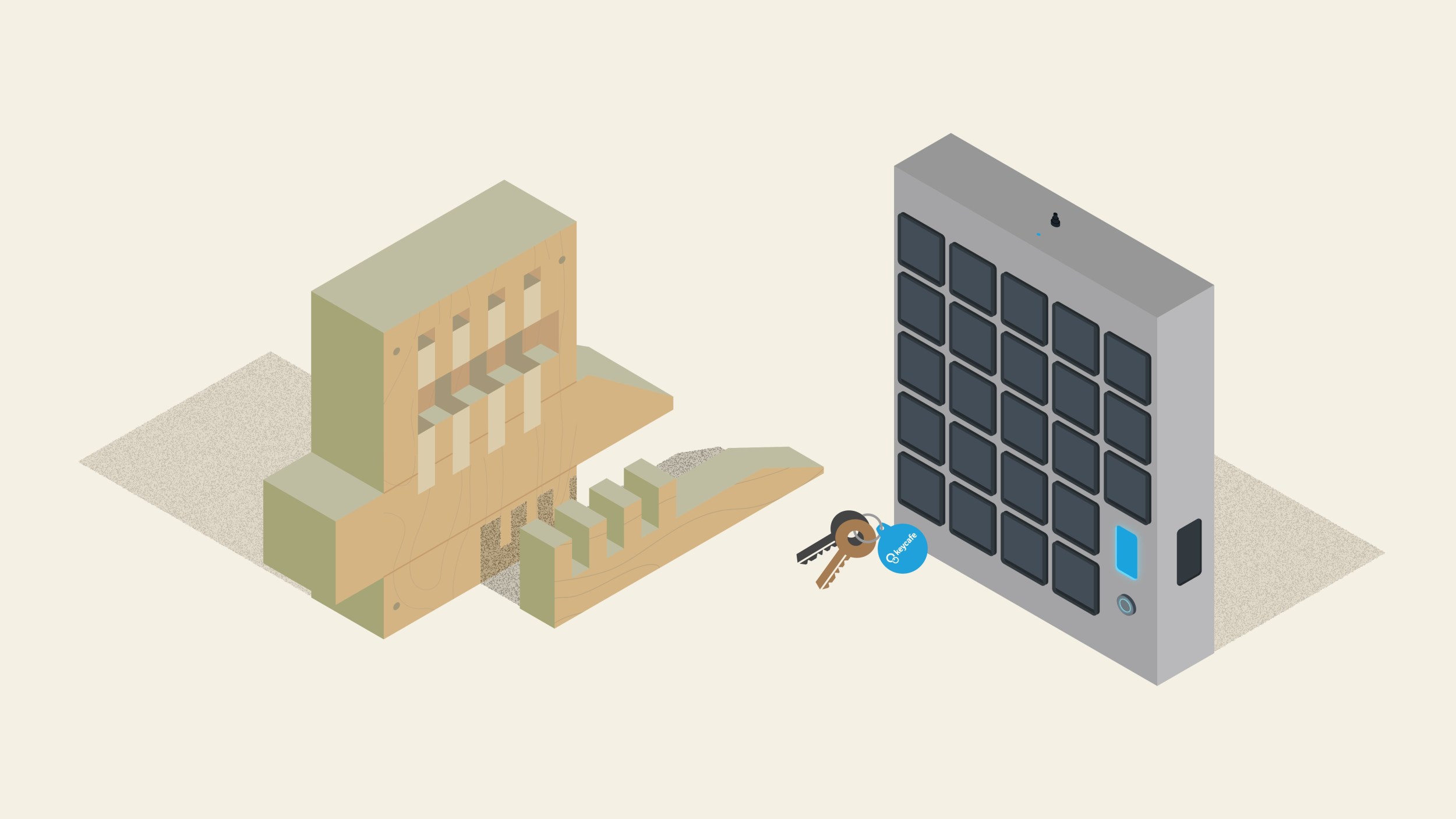

La serratura della vostra porta d'ingresso è probabilmente un cilindro a perni. Il suo principio di funzionamento fu brevettato nel 1860 ed è un perfezionamento di un meccanismo utilizzato in Mesopotamia circa quattromila anni fa.
Pochissime tecnologie di uso quotidiano hanno questo tipo di continuità. Ecco, a grandi linee, come è successo e perché la parte interessante non sono le serrature, ma le persone che continuavano ad aprirle.
Circa 4.000 anni fa: la prima serratura a perni
Le serrature più antiche di cui abbiamo conoscenza provengono dall'antico Vicino Oriente. Una serratura a perni in legno fu trovata nelle rovine del palazzo di Ninive, nell'attuale Iraq, e progetti simili sono associati all'antico Egitto.
Il meccanismo è elegante e immediatamente riconoscibile:
- Un chiavistello di legno teneva chiusa una porta
- Un set di perni di legno sciolti cadeva in fori nel chiavistello, bloccandolo
- Una grande chiave di legno, essenzialmente a forma di spazzolino da denti con pioli lungo di essa, veniva inserita e sollevata, spingendo i perni fuori dal chiavistello
- Con i perni liberi, il chiavistello poteva scorrere
Questa è una serratura a cilindro a perni. I materiali sono cambiati e le tolleranze sono più fini, ma se capite questa descrizione, capite la serratura della vostra porta.
Queste chiavi erano grandi, a volte lunghe un piede o più, e venivano portate a spalla. C'è un'argomentazione ragionevole secondo cui una chiave grande era tanto uno status symbol quanto uno strumento: segnalava che avevi qualcosa che valeva la pena chiudere a chiave.
I Romani: metallo, guardie e portabilità
I fabbri romani diedero tre contributi importanti.
Metallo. I meccanismi in ferro e bronzo erano più piccoli, più resistenti e molto più durevoli del legno.
Serrature a guardie. Una guardia è un'ostruzione all'interno della serratura che la chiave deve essere sagomata per superare. Se la forma è sbagliata, la chiave non girerà. Questa è la famiglia di serrature a "chiave scheletro", e i meccanismi a guardie sono rimasti il design europeo dominante per ben oltre mille anni. Alcuni sono ancora in uso nelle porte interne e nei mobili antichi.
Chiavi piccole e il lucchetto. Le chiavi romane si rimpicciolirono abbastanza da poter essere indossate, e la chiave ad anello è un'idea genuinamente romana. I lucchetti portatili compaiono indipendentemente nel mondo romano e in Cina.
La debolezza di una serratura a guardie è fondamentale: conta solo la forma della chiave, non lo stato interno. Qualsiasi cosa che superi le guardie la farà girare. Aprirne una è una questione di trovare una forma che si adatti.
Dal 1778 al 1818: la corsa alle serrature britannica
Quasi nulla cambiò per molto tempo, e poi, in quarant'anni, tre inventori britannici produssero le idee su cui sono costruite le serrature moderne. Non è una coincidenza che ciò sia accaduto insieme all'industrializzazione, ai beni prodotti in serie e a una grande quantità di ricchezza di nuova portabilità.
1778: Robert Barron. Barron brevettò la serratura a cilindro a doppia azione. Invece di limitarsi a superare le ostruzioni, la chiave doveva sollevare un set di leve esattamente all'altezza giusta, né più in alto né più in basso. Troppo lontano era sbagliato quanto non abbastanza lontano. Questa è la prima serratura in cui l'accuratezza della chiave, non solo la sua forma, determinava se funzionava.
1784: Joseph Bramah. La serratura di Bramah utilizzava una chiave cilindrica con fessure tagliate a diverse profondità, spingendo i cursori in posizioni esatte. Era così avanti rispetto alle tecniche di scasso contemporanee che Bramah espose una serratura nella vetrina del suo negozio a Londra con una ricompensa in denaro per chiunque fosse riuscito ad aprirla.
Nessuno ci riuscì per 67 anni.
1818: Jeremiah Chubb. La serratura con rilevatore di Chubb aggiunse qualcosa di nuovo: se qualcuno manometteva il meccanismo, si bloccava e rimaneva bloccata, e solo una chiave regolatrice speciale la ripristinava. La serratura non solo resisteva all'attacco, ma registrava che un attacco era avvenuto.
Quest'idea, che un dispositivo di sicurezza debba lasciare prove, merita di essere evidenziata. È l'antenata del registro delle attività (audit trail).
1851: la Grande Esposizione e una settimana molto sfortunata per i fabbri britannici
Alla Grande Esposizione di Londra, un fabbro americano di nome Alfred Charles Hobbs scassinò la serratura con rilevatore di Chubb, e poi scassinò la serratura di Bramah, riscuotendo la ricompensa rimasta non reclamata per 67 anni.
Causò un vero e proprio scandalo. Le due serrature più affidabili della Gran Bretagna erano state aperte in pubblico da un visitatore.
L'episodio è famoso tra gli esperti di sicurezza per una ragione che va oltre il dramma. Provocò una delle prime chiare argomentazioni a favore di quella che oggi viene chiamata divulgazione completa: Hobbs sostenne che dimostrare pubblicamente una debolezza serve meglio il pubblico che lasciarlo falsamente fiducioso in una serratura che un ladro determinato poteva già aprire. Questo dibattito non è stato risolto da allora, e si ripresenta in ogni generazione di tecnologia di sicurezza.
Dal 1861 al 1865: Linus Yale Jr. e la serratura che possedete
Linus Yale Sr. aveva lavorato a progetti di serrature a perni per casseforti bancarie. Suo figlio, Linus Yale Jr., produsse la versione che conquistò il mondo.
La serratura a cilindro a perni di Yale Jr., brevettata nel 1860, fece due cose che contavano tanto commercialmente quanto tecnicamente:
Rimpicciolì il meccanismo in un piccolo cilindro che poteva essere montato in una porta comune piuttosto che esservi costruito all'interno.
Utilizzava una chiave piccola, piatta ed economica con un bordo seghettato. Ogni tacca spinge un perno a un'altezza specifica. Quando ogni perno è esattamente giusto, il cilindro gira.
Questa è la chiave nella vostra tasca. Il design era abbastanza buono, abbastanza economico da produrre e abbastanza facile da montare da diventare lo standard globale e lo è rimasto per oltre 150 anni.
Circa nello stesso periodo, James Sargent brevettò un progetto di serratura a combinazione alla fine degli anni '50 dell'Ottocento e, nel 1870, una serratura a tempo che non poteva essere aperta al di fuori degli orari stabiliti, indipendentemente da chi avesse la combinazione. Le banche la adottarono perché sconfiggeva l'unico attacco a cui una combinazione non può resistere: qualcuno che costringe il direttore ad aprire la cassaforte.
Il 20° secolo: le chiavi smettono di essere il punto
La storia meccanica si conclude in gran parte con Yale. Ciò che cambia dopo è la credenziale.
Il sistema di chiave maestra permetteva a una sola chiave di aprire molte serrature, mentre ogni serratura manteneva la propria chiave. Enormemente utile per gli edifici, e una permanente debolezza strutturale, perché la chiave maestra diventa un unico punto di fallimento catastrofico.
Anni '70: la keycard. L'inventore norvegese Tor Sørnes sviluppò una serratura con keycard ricodificabile, la base del sistema VingCard, che divenne standard negli hotel. Questo fu il primo cambiamento veramente importante in secoli: la credenziale poteva essere cambiata senza cambiare la serratura.
Questo è un affare più grande di quanto sembri. Per quattromila anni, revocare l'accesso significava sostituire l'hardware. Ora significava riprogrammare.
Dagli anni '80 in poi: controllo accessi elettronico. Bande magnetiche, poi tessere di prossimità, poi tastierini numerici, poi sistemi in rete. La serratura è diventata un dispositivo che pone una domanda piuttosto che un meccanismo che testa una forma.
Decenni recenti: credenziali a tempo. L'attuale generazione aggiunge due proprietà che i sistemi più vecchi non hanno mai avuto. L'accesso può essere concesso per una finestra definita che scade da sola. E ogni utilizzo può essere registrato a nome di un individuo specifico.
Dove questo lascia la chiave fisica
Le previsioni sulla morte della chiave sono state sbagliate per quarant'anni, e sono ancora sbagliate.
Le chiavi fisiche persistono per buone ragioni. Non hanno bisogno di energia. Funzionano quando la rete è assente. Non dipendono dal telefono di nessuno. Milioni di edifici hanno cilindri meccanici che costerebbero una fortuna sostituire. E in molti contesti, ciò che viene controllato non è affatto una porta, ma un veicolo, una sala macchine, un armadio o un pezzo di equipaggiamento.
Ciò che è cambiato è ciò che circonda la chiave. Il problema interessante ha smesso di essere la serratura ed è diventato la logistica: chi detiene quale chiave, per quanto tempo, con quale autorità, e si può dimostrarlo in seguito.
Questo è un problema molto antico in una nuova veste. Jeremiah Chubb stava lavorando a una sua versione nel 1818, quando costruì una serratura che ti avrebbe detto che qualcuno aveva provato.
È anche, più o meno, il nostro lavoro. Keycafe esiste perché la maggior parte delle organizzazioni si basa ancora su chiavi fisiche e non aveva un buon modo per gestire chi le detiene.
Le date e le attribuzioni storiche qui seguono il resoconto principale. Alcune affermazioni iniziali, in particolare quelle relative alle serrature più antiche e alla loro datazione precisa, sono oggetto di dibattito tra storici e archeologi, e la documentazione è sinceramente incompleta. Se individuate un errore, vi preghiamo di comunicarcelo e lo correggeremo.