
يمكنك الوقوف في أحد شوارع ميامي حيث تتغير القواعد التي تحكم الإيجارات قصيرة الأجل اعتمادًا على جانب الطريق الذي تقف عليه.
عبر جسر، ويتغير تعريف "المدة القصيرة". تتعامل ميامي بيتش معها على أنها أي شيء يقل عن ستة أشهر ويوم واحد. تصف مقاطعة ميامي ديد الإقامة المؤقتة للإيجار بأنها إقامات لمدة ستة أشهر أو أقل. تعمل معظم الصناعة، ومعظم الإطار الضريبي في فلوريدا، على أساس 30 يومًا. تقسم تقسيمات مدينة ميامي المدينة إلى مناطق مقطعية حيث تعتمد الإجابة على ما إذا كان العنوان يقع في T3 أو T4.
ثم، وفوق كل ذلك، تكمن الطبقة التي تقرر معظم الحالات فعليًا وهي ليست حكومة على الإطلاق.
أربع طبقات، والرابعة هي التي توقفك
للعمل بشكل قانوني في المناطق غير المدمجة من ميامي ديد أو مدينة ميامي، تحتاج عادةً إلى ترخيص إقامة عامة من إدارة فلوريدا للأعمال واللوائح المهنية، وشهادة استخدام من ميامي ديد، وإيصال ضريبة أعمال محلي، وفي ميامي بيتش شهادة ضريبة منتجع أيضًا. إذا فاتك أي منها، فأنت معرض للخطر.
فلوريدا لديها أيضًا حق الأولوية على مستوى الولاية، والذي يحد من مدى قدرة المدن على تنظيم الإيجارات قصيرة الأجل. يبدو ذلك حمائيًا حتى تصل إلى الاستثناء المهم: حق الأولوية لا يشمل جمعيات أصحاب المنازل وجمعيات الشقق السكنية. يمكن لوثائقها الحاكمة حظر أو تقييد الإيجارات قصيرة الأجل بغض النظر عما تسمح به الولاية، وما تسمح به المقاطعة، وما تسمح به المدينة.
في سوق حيث جزء كبير من العقارات القابلة للإيجار هي وحدات سكنية مشتركة، فإن ذلك يجعل الجمعية هي المنظم الفعلي. اسأل أي شخص أتم صفقات هنا وسوف يخبرك أن موافقة الجمعية هي العنصر الذي يوقف المعاملات، وليس تقسيم المناطق.
لقد أضفت ميامي بيتش الطابع الرسمي على هذا التبعية. تتطلب المدينة خطابًا من جمعية الشقق السكنية يؤكد أن نشاط الإيجار المؤقت مسموح به في العنوان، مؤرخًا في غضون الستين يومًا السابقة، وإذا لم تكن الجمعية نفسها تحمل إيصال ضريبة أعمال نشطًا، فيجب الموافقة على ذلك قبل أن تصدر المدينة إيصال الوحدة.
العقوبات على الأخطاء في ميامي بيتش هي من بين الأعلى في الولايات المتحدة. تم تحديد الغرامات بدءًا من 20,000 دولار للمخالفة الأولى وتصاعدها لتتجاوز 100,000 دولار للانتهاكات المتكررة، مع غرامة قدرها 1,500 دولار يوميًا لانتهاكات قواعد الحد الأدنى للإقامة في المناطق المحظورة، إلى جانب الرهون، وأوامر الإغلاق، وتعليق المنصات. يُحظر الإيجار قصير الأجل تمامًا في جميع مناطق المنازل الفردية والكثير من العقارات متعددة العائلات.
ما يفعله التجزئة للعملية
أي محفظة عقارية في ميامي بأي حجم تتجاوز الولايات القضائية، والنتيجة التشغيلية هي أنه لا توجد عملية واحدة تناسب كل شيء.
وحدتان في برج بريكل، واحدة في إدجووتر، زوجان في مبنى في ميامي بيتش يسمح بالاستخدام المؤقت، شيء في كورال غابلز، شيء في ديد غير المدمجة. ترخيص مختلف، حد أدنى مختلف للإقامة، تسجيلات ضريبية مختلفة، تعريفات مختلفة لما تفعله، وخمس مجموعات مختلفة من قواعد البناء.
الخطأ الذي يرتكبه المشغلون هو تصميم العملية حول العقار الأكثر تساهلاً ثم الارتجال للآخرين. الأفضل هو التصميم حول القيد المشترك بينها جميعًا، وهو أن كل مبنى من هذه المباني لديه جمعية أو شركة إدارة تهتم بشدة بمن يدخل الردهة.
هذا هو الخط الفاصل في ميامي. بغض النظر عما يقوله تقسيم المناطق، فإن الشيء الذي يجعلك تُزال هو قرار المبنى بأنك تمثل مشكلة.
الجمعية هي عميل، وليست عائقًا
أعد صياغة محادثة الجمعية وتصبح ميامي أسهل بكثير للعمل فيها.
ما تشكو منه الجمعيات هنا محدد ومتسق: أشخاص غير مألوفين في الردهة والمصاعد، ضيوف لا يمكن التعرف عليهم، تسليم المفاتيح يحدث عند منصة خدمة صف السيارات أو مع مكتب الاستقبال، صناديق القفل تظهر على بوابات المسبح ورفوف الدراجات، الطرود والمفاتيح تتراكم عند حارس لم يوافق على أي من ذلك، ولا توجد طريقة للإجابة على مقيم يسأل من كان في المبنى يوم السبت.
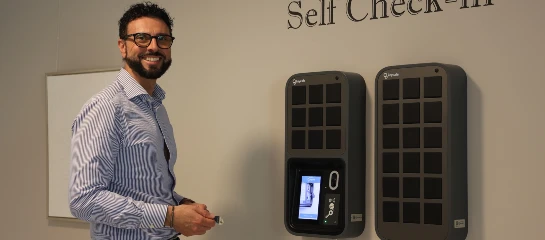
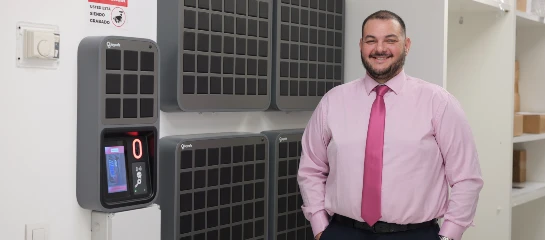
نظام وصول حيث كل وثيقة هوية تخص فردًا محددًا، وكل عملية استلام وإرجاع يتم تسجيلها بوقتها، ويمكن التحقق من الهوية قبل تسليم المفتاح، يعالج كل ذلك. حيث تسمح جمعية بالفعل بالاستخدام المؤقت، تكون الفكرة هي أنك تمنحهم التحكم الذي كانوا يطلبونه. وحيثما يترددون، غالبًا ما يكون ذلك هو الفرق بين تجديد تلك الرسالة لمدة 60 يومًا أو الرفض.
عمليًا، الذهاب إلى مجلس إدارة في ميامي يعني إحضار:
موقع تركيب محدد، عادةً ردهة أو غرفة بريد أو غرفة طرود أو مكتب إدارة، مع طريقة التثبيت والأبعاد وخطة الطاقة والشبكة. تأكيد عدم تأثير أي شيء على أنظمة سلامة الأرواح أو المخارج. عرض لمنح إدارة المبنى رؤية للسجل. موقف مكتوب بشأن الصيانة والإزالة. وفي بلد الأعاصير، إجابة حول ما يحدث في حالة انقطاع التيار، والذي تغطيه الأجهزة من خلال بطارية احتياطية وتشغيل دون اتصال بالإنترنت.
النشر عبر محفظة مجزأة
نمطان يغطيان معظم العمليات في ميامي.
لكل مبنى، في الأبراج. بالنسبة للمشغلين الذين لديهم عدة وحدات في مبنى سكني واحد، فإن التثبيت داخل المبنى يحتفظ بكل مفتاح لتلك الوحدات بالإضافة إلى أي شيء تشغيلي، ولا يحتاج الضيف أبدًا إلى عنوان آخر غير الذي يقيم فيه. هذا هو الترتيب الأقوى ويعتمد كليًا على مجلس الإدارة.
نقطة تحكم خاصة بك. بالنسبة للوحدات المتناثرة عبر المباني التي لن توافق على أي شيء، فإن التركيب في مكتبك الخاص أو مساحة مؤجرة يخدم المحفظة. جغرافية ميامي تعني أن هذا يحتاج إلى تفكير: من بريكل إلى ميامي بيتش هو جسر وطريق معبد، وفي الساعة الخطأ ليست رحلة قصيرة. ينتهي المطاف بالمشغلين عمومًا بنقطة واحدة في البر الرئيسي ونقطة واحدة على الشاطئ بدلاً من محاولة خدمة كليهما من أي منهما.
تبدأ السعة بتسعة مواقع للمفاتيح وتمتد عبر وحدات توسيع متسلسلة، لذا يمكن لتركيب برج واحد أن ينمو من عدد قليل من الوحدات إلى مفتاح لكل وحدة تديرها بالإضافة إلى مفاتيح المبنى، دون موافقة ثانية من مجلس الإدارة.
على جانب البرمجيات، تتصل منصات الحجز والإدارة الرئيسية مباشرة بـ API خلفها، لذا يتم إصدار بيانات الاعتماد عند تأكيد الإقامة. يمكن للضيوف استخدام رمز، أو بيانات اعتماد قابلة للمسح، أو بطاقة في محفظة هواتفهم، مع تعليمات بلغتهم، وهو أمر مهم في سوق يعتمد بشكل كبير على الزوار من أمريكا اللاتينية وأوروبا.
يجب أن يكون الوضع داخليًا. الأجهزة مصنفة IP52 وتثبت بشكل مسطح على أي جدار، ولكن مزيج ميامي من الرطوبة والهواء المالح بالقرب من الماء والشمس المباشرة وموسم الأعاصير يجعل الردهة الداخلية أو غرفة الخدمة الخيار الواضح.
السجلات عبر أربع طبقات
لا تحتوي سجلات الوصول على شهادة الاستخدام الخاصة بك، أو إيصال ضريبة الأعمال، أو ترخيص DBPR الخاص بك، أو تسجيل ضريبة المنتجع، ولا تثبت الامتثال للحد الأدنى للإقامة. هذه هي عمليات حفظ الملفات وميامي تدققها.
ما يفعله السجل هو الإجابة على أسئلة واقعية حول الدخول، وفي هذا السوق تأتي هذه الأسئلة من عدد غير عادي من الاتجاهات. امتثال الكود استجابة لشكوى جار. جمعية تحقق مما إذا كانت الوحدة تستخدم مؤقتًا في مبنى يحظر ذلك. شركة تأمين بعد تلف المياه، وهو أمر ثابت في فلوريدا. تحديد الضرر بعد الإقامة. أسئلة الإشغال حيث تنطبق قاعدة شخصين لكل غرفة نوم. مجلس إدارة يقرر ما إذا كان سيجدد الرسالة التي يعتمد عليها ترخيص مدينتك.
حساب باسم، ومختوم بوقت، وقابل للتصدير لمن دخل ومتى يكون مفيدًا في كل واحدة من تلك المحادثات، وهو الوحيد من بينها حيث يتحكم المشغل فيما إذا كان الدليل موجودًا.
القواعد تتغير، الردهة لا تتغير
خريطة ميامي التنظيمية هي خليط يتغير عند الجسور وحدود تقسيم المناطق، ولا يوجد إجراء تشغيلي واحد يغطي محفظة منتشرة عبرها. الثابت هو أن كل عقار يقع في مبنى، والمبنى لديه جمعية ستقرر ما إذا كنت تستحق العناء.
إدارة الوصول بطريقة تجعل هذه الإجابة سهلة هو الأمر الأكثر تأثيرًا الذي يمكن لمشغل في ميامي القيام به، لأنه الطبقة التي لا يصل إليها حق الأولوية على مستوى الولاية والتي تنهي العمليات في معظم الأحيان.
قم بتهيئة نشر SmartBox أو تحدث مع فريقنا حول تثبيت في مبناك.
تعكس التفاصيل التنظيمية في هذه المقالة المعلومات المتاحة للجمهور وقت الكتابة وتقدم كإرشاد عام فقط. تختلف قوانين ولاية فلوريدا، وقواعد مقاطعة ميامي ديد، والمراسيم البلدية في ميامي وميامي بيتش، ووثائق حوكمة الشقق السكنية عن بعضها البعض وتتغير بمرور الوقت، والقضايا القانونية ذات الصلة مستمرة. يرجى تأكيد المتطلبات الحالية مع البلدية المعنية، ومقاطعة ميامي ديد، وإدارة الأعمال واللوائح المهنية في فلوريدا (Florida DBPR)، وجمعيتك، ومستشار قانوني مؤهل في فلوريدا قبل اتخاذ قرارات تشغيلية.