
Dänemark hat bei Kurzzeitvermietungen einen anderen Ansatz gewählt als fast alle anderen Länder. Anstatt Dinge zu verbieten, hat es Transparenz rentabel gemacht.
Die Struktur ist elegant. Vermieten Sie Ihren Hauptwohnsitz über eine Plattform, die Ihr Einkommen automatisch der dänischen Steuerbehörde meldet, können Sie ihn für bis zu 70 Nächte pro Jahr vermieten – eine Zahl, die Kopenhagen und mehrere andere Gemeinden auf 100 Nächte erhöht haben. Vermieten Sie ihn privat, über eine Facebook-Gruppe oder Ihr eigenes Netzwerk, sinkt die Grenze für alles auf 30 Nächte. Der Steuerfreibetrag folgt derselben Logik: wesentlich höher für Einkünfte, die über eine meldende Plattform erzielt werden, und nur ein Bruchteil davon für Einkünfte, die nicht über eine solche Plattform gemeldet werden.
Niemandem ist etwas verboten. Ihnen wird lediglich ein wesentlich besseres Angebot gemacht, wenn Sie für das System sichtbar sind, und die überwiegende Mehrheit der dänischen Gastgeber nimmt dieses Angebot an.
Das ist bedenkenswert, denn es zeigt Ihnen, welche Art von Markt Kopenhagen ist. Compliance ist hier kein zu minimierendes Kostenproblem. Es ist der profitable Weg, bewusst so gestaltet, und die erfolgreichen Betreiber sind diejenigen, die sich darauf einlassen, anstatt darum herum zu navigieren.
Die Regeln, kurz gefasst
Nachtbegrenzungen. Bis zu 70 Nächte pro Jahr für einen gesamten Hauptwohnsitz, der über meldende Vermittler vermietet wird, in Kopenhagen auf 100 Nächte erhöht. Reduzierung auf 30 Nächte, wenn eine Ihrer Vermietungen Meldungsplattformen umgeht. Die Immobilie muss tatsächlich Ihr Wohnsitz sein.
Automatische Meldung. Plattformen melden an Skattestyrelsen. Sie bleiben dafür verantwortlich, die Richtigkeit der Zahlen zu überprüfen.
Genehmigung des Gebäudes. Mieter benötigen die Zustimmung des Vermieters. Mitglieder einer andelsboligforening, der dänischen Wohnungsgenossenschaft, benötigen die Genehmigung des Vereins. Ejerforeninger, Eigentümergemeinschaften, schränken die Kurzzeitvermietung in ihren Satzungen häufig ein oder verbieten sie.
Keine geografischen Verbote. Kopenhagen weist keine eingeschränkten Viertel aus; die Gemeinde hat erklärt, dass die Tageshöchstgrenzen auf nationaler Ebene liegen und ihr die Kompetenz fehlt, lokale geografische Beschränkungen zu verhängen. In der Praxis erzeugen gebäudebezogene Regeln in den beliebten inneren Stadtteilen den gleichen Effekt.
Die Durchsetzung wird verschärft. Eine breite politische Einigung vom 22. Januar 2026 umfasste eine stärkere Aufsicht und höhere Bußgelder, mit einem vorgeschlagenen Rahmen von einigen tausend Kronen bis rund 100.000, und einer Option für Gemeinden, die Aufsicht zu übernehmen. Die Vereinbarung war zum Zeitpunkt der Veröffentlichung noch nicht in Kraft getreten, daher sind die Details als Richtung der Entwicklung zu verstehen. Kopenhagen finanzierte separat eine Wohnpatrouille von etwa fünfzehn Mitarbeitern.
Was ein gedeckelter Markt für das Geschäft bedeutet
Mit etwa 19.000 aktiven Angeboten und einer strengen jährlichen Obergrenze für Übernachtungen, entwickelt Kopenhagen ein unverwechselbares Betreiberprofil.
Sie können nicht über das Volumen gewinnen. Die Obergrenze ist die Obergrenze. Was bleibt, ist ein Markt, in dem die Erträge aus dem Preis, aus der Auslastung innerhalb Ihres verfügbaren Zeitfensters, aus den Betriebskosten und aus der korrekten Einhaltung der Vorschriften resultieren, damit Sie die höhere Freigrenze behalten.
Es drängt seriöse Betreiber auch in die Segmente, die von der Obergrenze nicht betroffen sind. Längere möblierte Mietverhältnisse für die besuchende akademische, medizinische und geschäftliche Bevölkerung. Gebäude- und Anlagenbetrieb. Immobilienverwaltung für Eigentümer statt Hosting auf eigene Rechnung. In jedem dieser Bereiche ist das Hauptproblem größer, nicht kleiner, denn der Verkehr besteht aus Personal und Auftragnehmern statt aus Gästen.
Eine Stadt, gemessen in Fahrradminuten
Kopenhagens Geografie ist ein echter Vorteil und verändert die Berechnungen für den Einsatz.
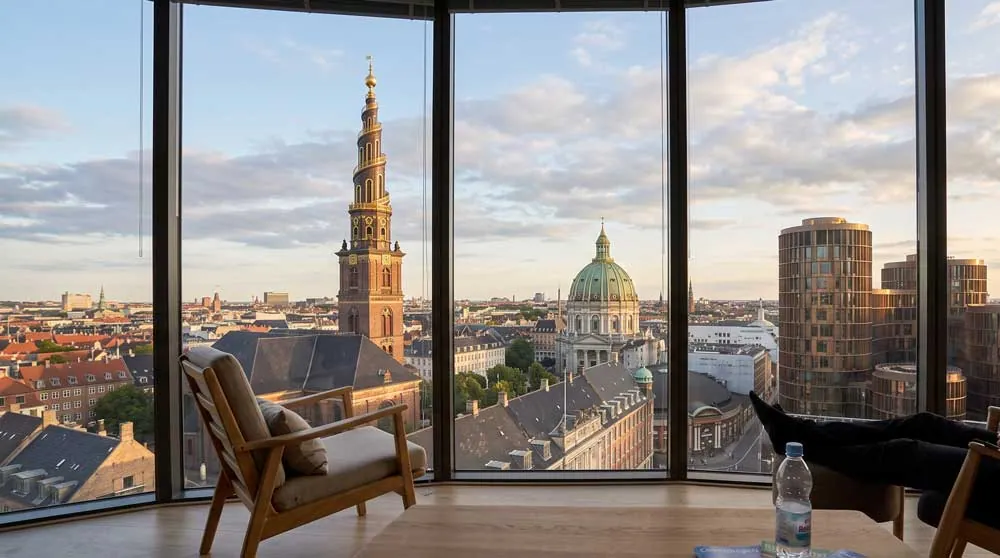
Dies ist eine flache Stadt mit der besten Fahrradinfrastruktur Europas, in der ein beträchtlicher Teil der Bevölkerung das ganze Jahr über mit dem Fahrrad pendelt. Entfernungen, die anderswo erheblich wären, sind hier auf dem Radweg zehn Minuten. Indre By, Vesterbro, Nørrebro, Østerbro und Frederiksberg liegen nah beieinander, und die Brücken nach Christianshavn und Amager sind schnell zu erreichen.
Für die Zugangsplanung bedeutet dies, dass ein einziger, gut gelegener Punkt einen wirklich großen Einzugsbereich bedienen kann, da Reinigungskräfte, Auftragnehmer und eine beträchtliche Anzahl von Gästen einfach mit dem Fahrrad fahren werden. Der relevante Radius ist nicht die Gehdistanz und auch nicht die Fahrdistanz. Es ist die fünfzehnminütige Fahrradfahrt, die den Großteil der Innenstadt abdeckt.
Die einzige Einschränkung ist der Winter. Kopenhagen radelt durch ihn hindurch, aber eine Ankunft um elf Uhr nachts im Februar mit Gepäck ist kein Fahrraderlebnis, daher sollten gästenahe Punkte in der Nähe von Verkehrsanbindungen oder den Objekten selbst gehalten werden. Batterie-Backup und Offline-Betrieb sind in einem nordischen Winter aus offensichtlichen Gründen wichtig, und die Hardware bietet beides.
Der Verein ist das Tor
Da Kopenhagen keine eingeschränkten Viertel hat, liegt die eigentliche Beschränkung auf Gebäudeebene, und die dänische Wohnstruktur macht dies ungewöhnlich bedeutsam.
Ein großer Teil der zentralen Wohnungen in Kopenhagen wird über andelsboligforeninger gehalten, Genossenschaften, in denen Mitglieder einen Anteil und nicht die Einheit direkt besitzen und der Verein eine maßgebliche Befugnis über die Nutzung hat. Ejerforeninger funktionieren ähnlich für Eigentümergemeinschaften. Beide können und schränken die Kurzzeitvermietung häufig ein, und beide kontrollieren den gemeinsamen Eingang, wo jede Hardware installiert würde.
Die gute Nachricht ist, dass dänische Vereine im Großen und Ganzen verfahrensorientiert und empfänglich für Argumente bezüglich Ordnung und Rechenschaftspflicht sind. Was tendenziell funktioniert:
Legen Sie dem Vorstand den Vorschlag schriftlich vor, mit Angaben zu Position, Befestigungsmethode, Abmessungen, Strom- und Netzwerkanforderungen sowie einer klaren Aussage, wer die Wartung übernimmt. Erklären Sie, was es eliminiert: bei Nachbarn hinterlegte Schlüssel, Codes, die unter Personen kursieren, die der Verein nie kennengelernt hat, auf der Treppe erscheinende Boxen und keine Aufzeichnung darüber, wer eingetreten ist. Bieten Sie dem Verein Einblick in die Zugangsaufzeichnungen für Gemeinschaftsbereiche. Dänische Vorstände reagieren gut darauf, ein Werkzeug an die Hand gegeben zu bekommen, anstatt um eine Konzession gebeten zu werden.
Wo der Verein nicht zustimmt, ist ein kleiner Geschäftsraum, der eine Gruppe von Objekten bedient, die Alternative, und in einer so kompakten Stadt funktioniert dies gut.
Aufzeichnungen in einer System-of-Record-Kultur
Dänemarks gesamter regulatorischer Ansatz basiert auf dem automatischen Datenfluss an die Behörden, und es gibt eine natürliche Erweiterung dieser Logik in den Betrieb.
Ein Zugangssystem erfasst, wer welchen Schlüssel wann abgeholt hat, und tut dasselbe bei der Rückgabe. Da die Zugangsdaten zu Einzelpersonen gehören und keine geteilten Codes sind, unterscheidet die Aufzeichnung zwischen Personen, anstatt sie zusammenzufassen. Es exportiert.
Um den Umfang genau zu definieren: Dies meldet nicht Ihr Einkommen, zählt Ihre Übernachtungen für Steuerzwecke oder verwaltet Ihre Genehmigungen beim Verein. Skat erhält Ihre Zahlen von der Plattform, und Sie überprüfen diese.
Wo es seinen Platz verdient, ist alles andere. Schaden- und Kautionsstreitigkeiten am Ende einer längeren Mietzeit. Versicherungsansprüche. Anfragen des Vereins darüber, wer im Gebäude war. Verantwortlichkeit der Auftragnehmer. Und, falls die diskutierten Durchsetzungsmaßnahmen mit kommunaler Aufsicht in Kraft treten, die Fähigkeit, einen faktischen Beleg der Belegung statt einer Behauptung vorzulegen.
Die praktische Umsetzung
Der Zugang wird einer namentlich genannten Person für einen definierten Zeitraum gewährt, was einen viertägigen Gast, einen fünfmonatigen Gastforscher, eine vierzehntägige Reinigungskraft und einen einmaligen Klempner mit demselben Schlüssel handhabt, ohne dass es zu Überschneidungen kommt. Der Entzug ist sofort möglich.
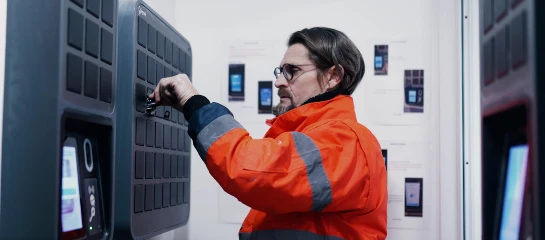
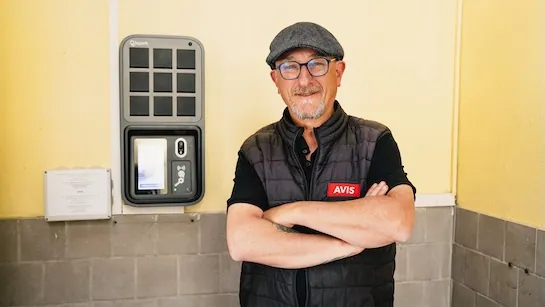
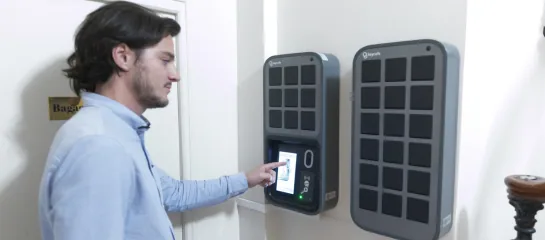
Ein Schrank beginnt mit neun Schlüsselpositionen und wächst durch verkettete Module, so dass ein Betreiber mit einer Handvoll Immobilien beginnen und auf einen vollständigen Schlüsselsatz eines Gebäudes in einer Installation skalieren kann. Es handelt sich um einen flachen Wandschrank, der vier Zoll von der Wandfläche entfernt ist und eine IP52-Bewertung besitzt, die Innenbereiche und geschützte Standorte abdeckt, jedoch keine exponierten Fassaden.
Die großen Buchungs- und Verwaltungsplattformen verbinden sich direkt, mit einer API für alles andere, und Zugangsdaten erreichen Personen als Code, scannbarer Pass oder etwas in der Telefon-Wallet.
Sichtbarkeit ist das Geschäftsmodell
Dänemark hat beschlossen, Kurzzeitvermietungen so zu regulieren, dass der transparente Weg der profitable ist, und dies hat weitgehend funktioniert. Kopenhagener Betreiber sind nach internationalen Standards ungewöhnlich konform, weil Compliance dort ist, wo das Geld verdient wird.
Diese Logik auf den physischen Zugang auszudehnen, ist der nächste offensichtliche Schritt. Ein System, das weiß, wer wann und auf wessen Autorität eingetreten ist, ist dieselbe Idee, angewendet auf einen anderen Teil des Betriebs, und in einem Markt, in dem man nicht über das Volumen gewinnen kann, ist ein strafferer Betrieb das Wichtigste, was bleibt.
Konfigurieren Sie eine SmartBox-Bereitstellung oder sprechen Sie mit unserem Team über eine Kopenhagener Installation.
Regulatorische Details in diesem Artikel spiegeln öffentlich verfügbare Informationen zum Zeitpunkt der Verfassung wider und dienen lediglich als allgemeine Orientierung. Dänische Nachtbegrenzungen, Steuerfreibeträge und Durchsetzungsmaßnahmen ändern sich aktiv, und einige beschriebene Maßnahmen bleiben Vorschläge und sind kein Gesetz. Bestätigen Sie aktuelle Anforderungen bei der dänischen Agentur für Planung und ländliche Gebiete, Skattestyrelsen, der Stadt Kopenhagen, Ihrer Wohnungsbaugesellschaft und qualifizierten dänischen Beratern, bevor Sie operative Entscheidungen treffen.