
Last-mile is expensive and unforgiving: it can account for ~41–53% of logistics costs, so small delays ripple into missed windows and unhappy customers. Add in failed first-attempt deliveries—~5–10% in many markets, costing ~$5–$17 per parcel—and the margin for error gets even thinner. Meanwhile, package theft remains a real exposure, with tens of millions of parcels lost annually in the U.S. alone.
Amid these pressures, key control seems small—but it’s often the first blocker at the start of a route and the last step at shift end. Here’s how last-mile fleets fix it.
The Real-World Key Problems in Last-Mile
Multi-shift, multi-site operations: Night, weekend, and overflow depots need 24/7 access without a supervisor on duty. Contractor churn and seasonal peaks add complexity; permissions must change quickly.
Multi-item key sets: It’s not just the vehicle fob. Drivers juggle building fobs, gate remotes, parcel-locker keys, and (for EVs) RFID charge cards. Misplaced items stall routes and create downstream costs (re-delivery, SLA penalties).
Security exposures: Lost or shared keys raise risk, and leaving vehicles unsecured while dropping at doorsteps is a known theft vector in dense areas; with package theft losses measured in the billions. Tight custody and fast revocation matter.
Why it matters financially: When last-mile already consumes 41–53% of logistics cost, even a 10–15 minute delay per route compounds across the day; nudging you toward missed windows and costly failed first attempts (~$5–$17 each).
What “Good” Looks Like (A Simple Operating Model)
Role- and time-based access: Drivers, leads, and contractors get only the keys they need, only during their shift windows (least-privilege in action). NIST highlights least-privilege access (AC-6) as a risk-reducer without slowing work.
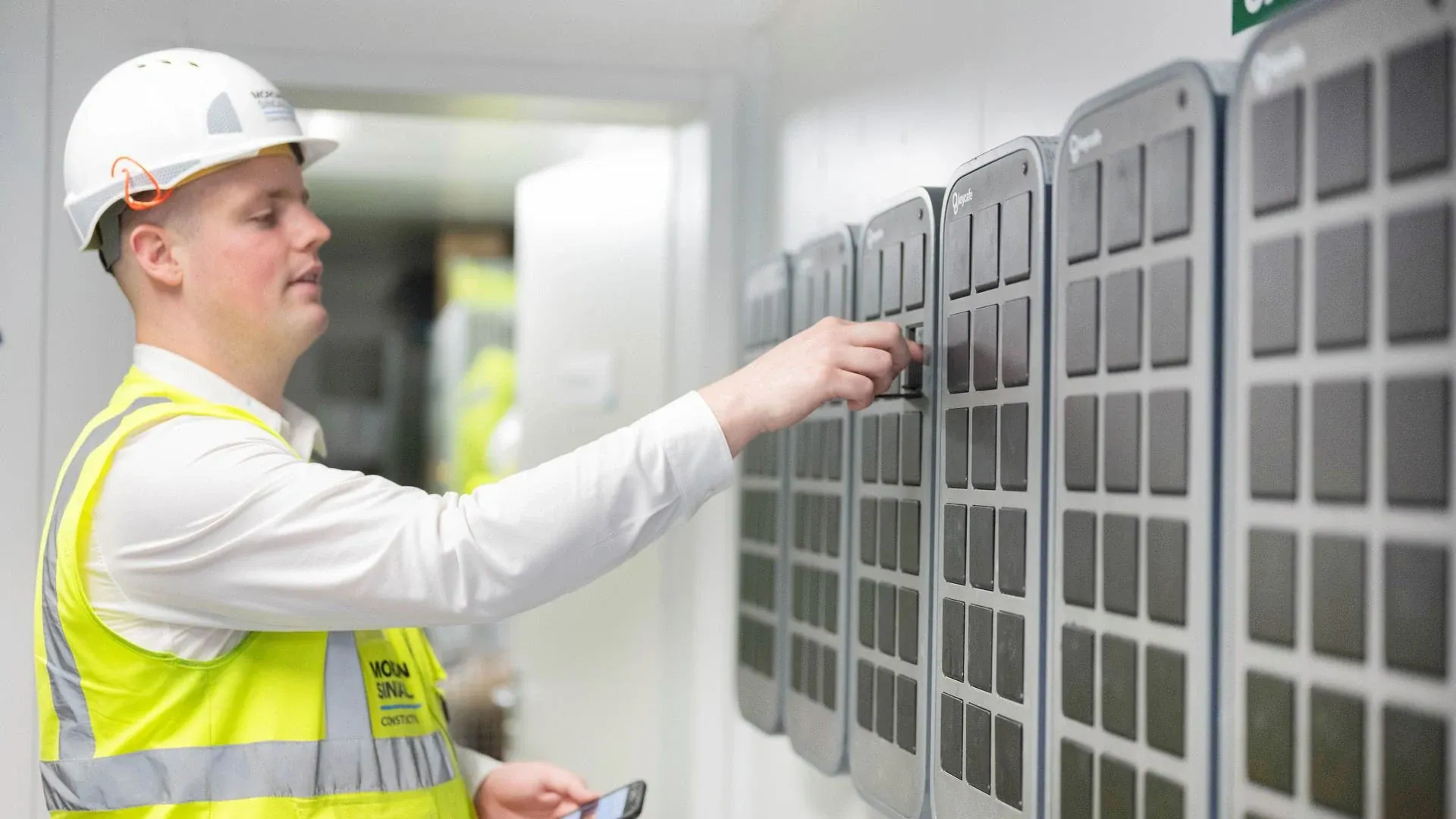
Bundle the kit: Store the vehicle fob + building fob + locker key + (if EV) charge-card in one slot so the whole route kit is issued and returned together= no scavenger hunt at 5 a.m.
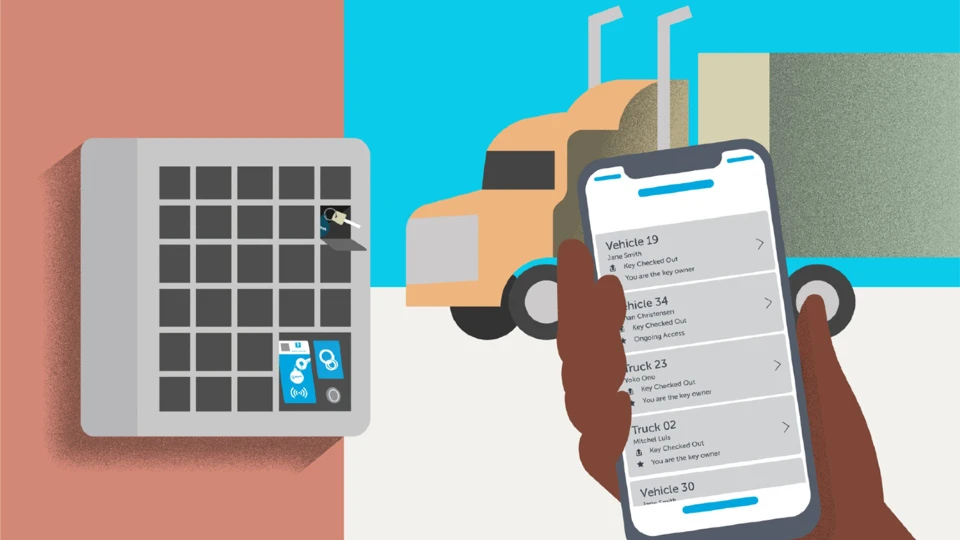
Real-time status and alerts: Dispatch should see who has what, right now and get automatic overdue reminders before the next route is impacted.
Fast revocation and restore: If a unit is pulled for repair or an incident, a manager disables its key access immediately; when cleared, re-enable in seconds (aligned with your DVIR/maintenance process). (DVIRs and repair certifications must be retained 3 months for motor carriers.)
Evidence at your fingertips: Every issue, pickup, return, denial, or forced-open event needs a searchable, time-stamped chain of custody you can export (CSV) for claims or audits.
Optional video at the locker: Short clips on motion/screen interaction add visual verification at high-risk sites.
Where Keycafe Fits
Integrations That Actually Matter
Dispatch/route optimization: When routes update late, you don’t want access lagging behind. Use the API/webhooks so your system requests updated permissions; a supervisor approves, and the driver pulls keys on arrival, no back-office phone tag.
Maintenance/DVIR: If DVIR flags a safety issue, keep the vehicle parked: a manager disables the key until the repair is closed and documented—so key custody mirrors your DVIR trail. (U.S. motor carriers must retain DVIRs/repair certifications 90 days.)
Identity/access (badges and codes): Support PINs, mobile links, and many NFC badges already in your environment, so seasonal staff can onboard fast without new hardware.
Continuity/offline plan: If connectivity dips, lockers should enforce local rules and sync later; have a documented outage playbook so 24/7 operations don’t stall.
A 30-Day Pilot That Proves ROI
- Pick the pain point: A busy micro-hub or the shift with the worst morning delays.
- Baseline for two weeks: Track late starts, “missing key” calls, and any failed first attempts associated with delays.
- Deploy and enforce: Bundle multi-item route kits; enable role/shift windows and overdue alerts.
- Measure weekly: Minutes saved per driver per shift × labor rate; avoided failed-delivery costs using $5–$17/parcel benchmarks; fewer claim disputes thanks to clean custody logs.
- Decide: If the data shows fewer delays and cleaner audits, scale to other depots.