
A customer calls about a used SUV they saw on your website. Your salesperson checks the system, confirms it is in stock, and books a test drive for that afternoon.
The customer shows up on time, and then the search starts. Someone thinks the SUV went into detail, but twenty minutes later, a porter finds it in the overflow lot. The customer has spent that time sitting at a desk getting more and more frustrated. Time spent at the dealership plays a considerable role in the overall customer experience.
Most dealership managers know this story because some version of it happens every week. Your inventory system is only as useful as the information in it, and keeping that information accurate takes consistent effort. Every vehicle must be tracked from the day it arrives to the day it leaves. Each step through inspection, reconditioning, detail, photos, test drives, and delivery is another chance for the record to fall behind.
Here is why tracking breaks down, and what you can do to make it more reliable.
Why Vehicle Inventory Tracking Breaks Down
Your dealer management system (DMS) knows a vehicle exists. It knows the VIN, the stock number, the cost, and the price. What it does not always know is where the vehicle is right now and what is happening to it.
That gap opens in small ways during daily operations. A technician moves a car to make room in a bay, or a porter shifts three units to the back lot before a delivery. A vehicle finishes reconditioning, but nobody updates its status. Over a busy week, those unrecorded moves add up until the system and the physical lot no longer match.
The most common causes include:
Undocumented vehicle moves: Vehicles move between lots, bays, and off-site storage, but the system doesn't get updated.
Outdated statuses: A car is still marked "in recon" even though it's been ready for days.
Unclear handoffs: Sales, service and detail each think someone else will update the record.
Keys that leave without a record: When nobody logs who took the keys, it's hard to tell who last had the vehicle.
7 Ways to Improve Vehicle Inventory Tracking
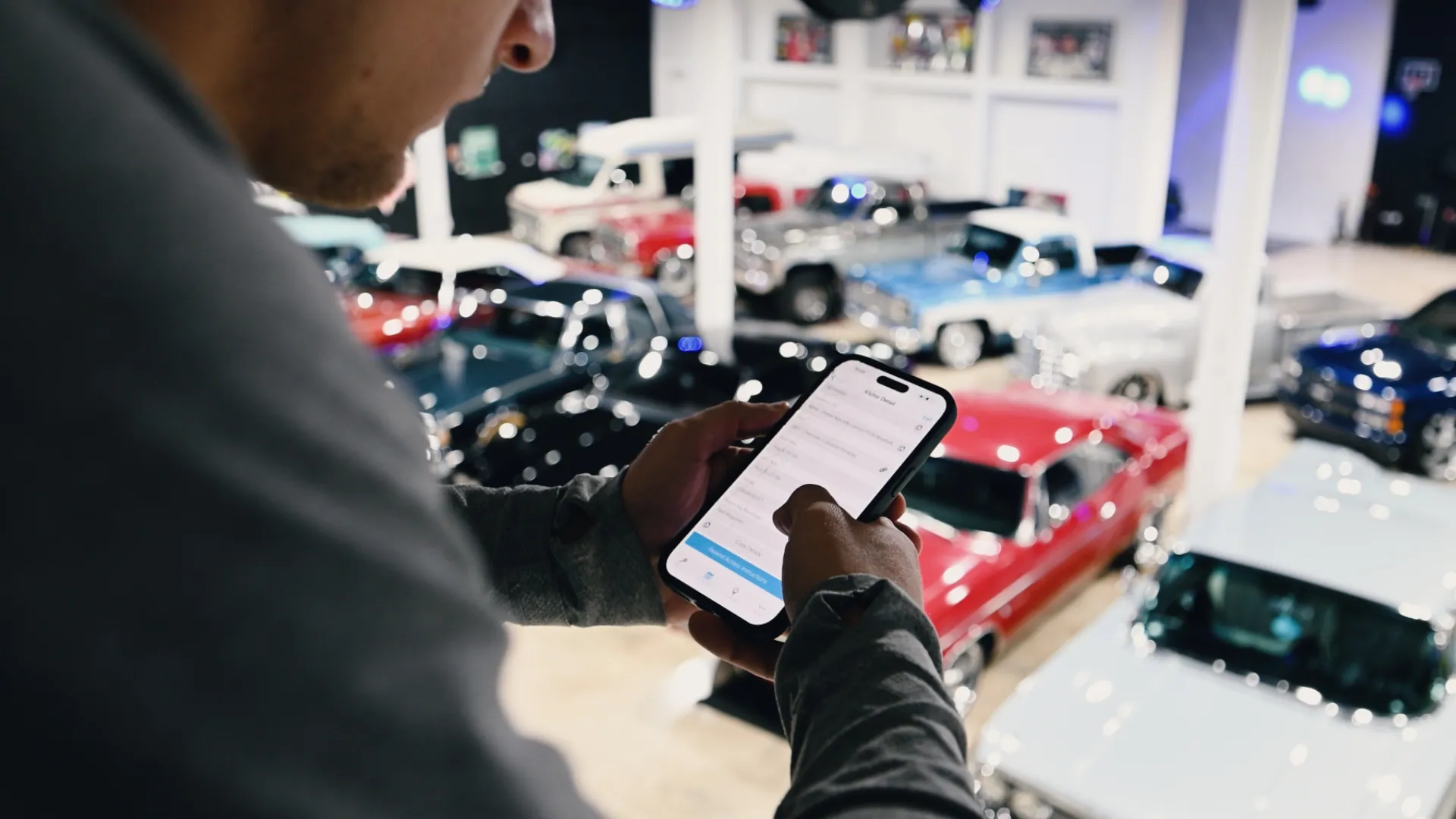
Better tracking doesn't start with buying new software. It starts with consistent processes that everyone follows. Tools help, but only when the habits behind them are solid.
1. Make Check-In the Starting Point
Every vehicle must be fully recorded the moment it arrives. Waiting until later is how vehicles end up in the system with missing details.
A complete check-in record should include:
VIN and stock number
Arrival photos and condition notes
Number of keys and fobs received
Assigned parking location
Starting status (such as "awaiting inspection")
2. Define Clear Inventory Statuses
Saying a vehicle is "in stock" does not tell your team much. A vehicle in stock could be waiting on parts or sitting at the detailer. Clear, shared status definitions let anyone see where each vehicle stands. Keep the list short to ensure staff use it without guessing.
3. Give Every Vehicle a Home
A vehicle without a set parking spot can end up anywhere. Zone-based parking gives every area of your property a clear label. Number the rows and spaces where you can. When a vehicle moves, its location in the system must change too.
4. Track Keys Alongside Vehicles
A vehicle record tells you where a car should be, but a key record tells you who had access to it last. Put those two records together, and your team can find a vehicle much faster.
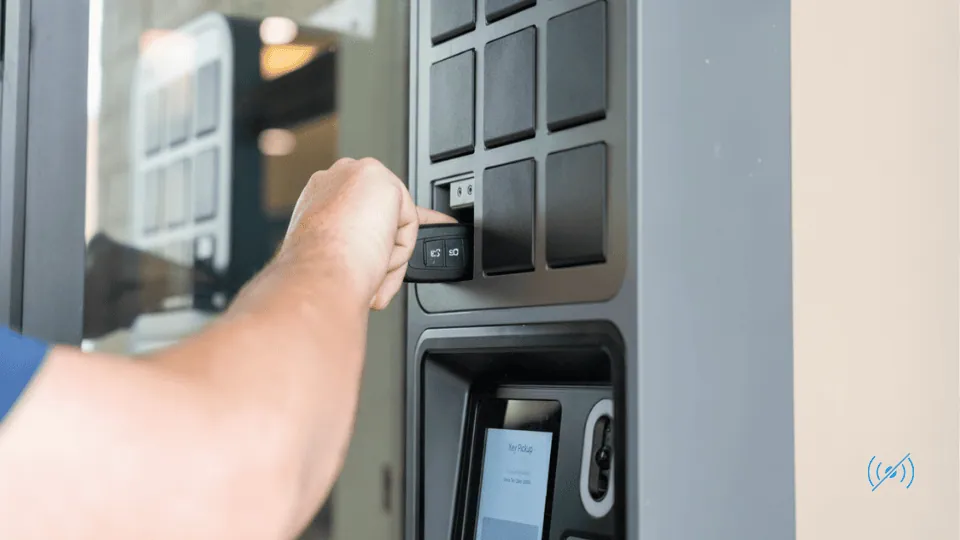
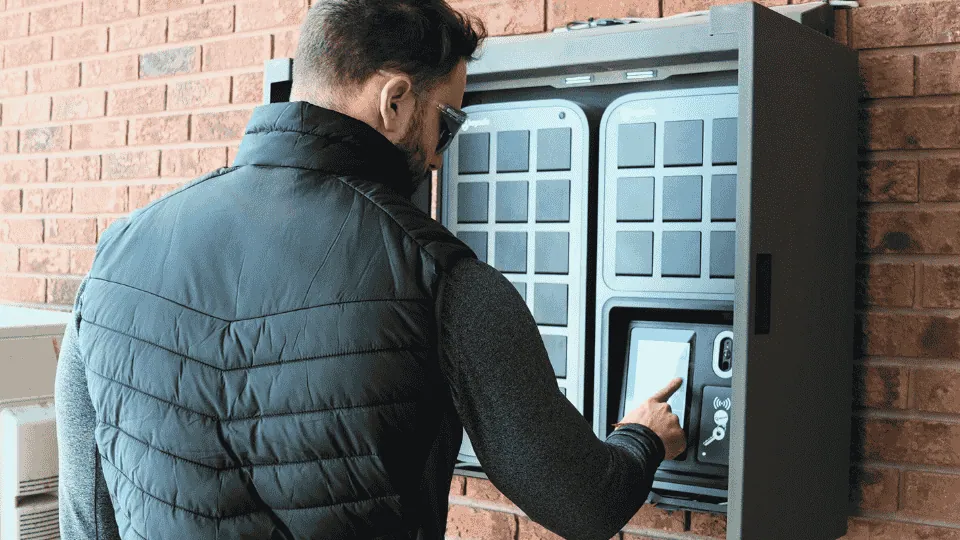
Many dealerships still use pegboards or paper sign-out sheets to manage keys, which is why upgrading to a smart key management system like Keycafe is necessary. Before adopting Keycafe, Fuji Auto stored keys in cases organized by brand and alphabetically. Because the process relied entirely on manual tracking, keys were frequently placed in the wrong case, switched by mistake, or lost altogether. When a key went missing, it was impossible to know who had taken it or where it might be.
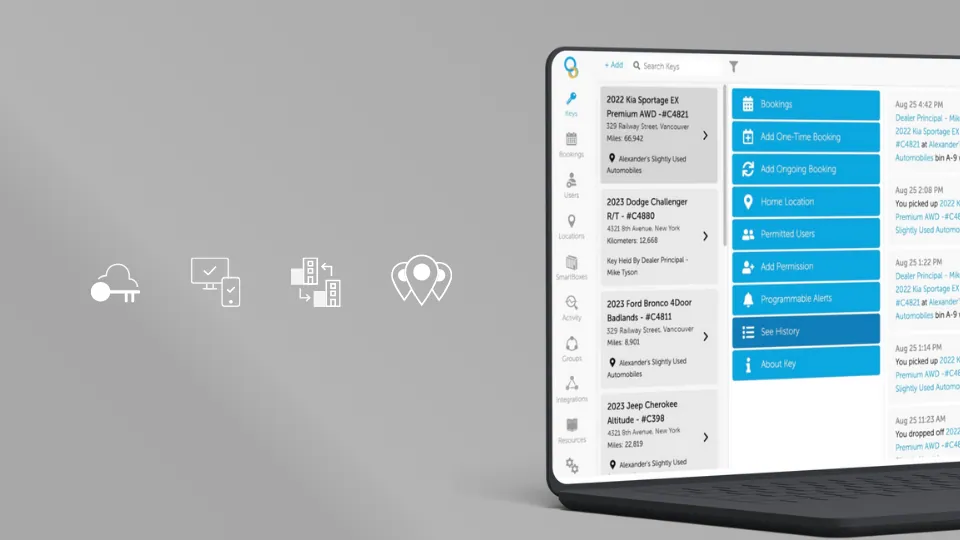
Digital key management systems fix this by logging every checkout and return by user and time. This setup provides a complete access history, logging every key pickup and drop-off with a user, date, and timestamp.
5. Assign Ownership at Every Handoff
Most tracking errors happen when a vehicle changes hands. Decide who is responsible for the update at each stage, and make that part of the job. The person who moves the vehicle updates its location.
Key handoffs need the same kind of ownership. Key management systems such as Keycafe allow a salesperson to hand a key directly to a service advisor or another rep without returning it to storage. The transfer of custody is digitally logged, and keeps your team on the floor and focused on the customer.
6. Measure Time in Each Stage
Once statuses are recorded consistently, you can measure how long vehicles spend in each one. Start by finding your current baseline. Then look at where vehicles wait the longest.
7. Run Regular Lot Checks
Internal lot checks compare your system records with what is physically on your property. Rotate through sections of your inventory, checking a different zone each day or week. Look for three things during each check: whether the vehicle is where the system says it is, whether the status is accurate, and whether the keys are accounted for.
What Better Tracking Looks Like Day to Day
When your records match your lot, the difference shows up across the dealership. Sales teams can give customers accurate information about a vehicle's availability and condition. Service and recon teams have a clear view of their work queue. Managers can identify aging units earlier. And floorplan audits become a routine check, not a last-minute search for missing vehicles.
Think back to the customer calling about the used SUV. With accurate tracking, the salesperson checks the system and sees the vehicle is frontline ready in row C, space 14. The key record shows the keys were returned that morning after detailing. The SUV is waiting out front, clean and ready, before the customer even pulls in.
Where to Start
Start with the vehicles customers are already coming to see. At the end of each day, pull the list of vehicles booked for test drives and deliveries the next day. Confirm the vehicle is where the system says, the status is correct, and the keys are where they should be.
If key handoffs turn out to be one of your gaps, see how digital logs record every checkout, return, and staff-to-staff transfer. Request a demo or get a quote today and discover the difference a smart key management system can make.