
Viešbučių veikla Šiaurės Amerikoje įžengė į naują veiklos realybę. Remiantis AHLA 2025 m. Pramonės būklės ataskaita ir CBRE Hotels Research metine tendencijų analize, viešbučiai patiria nuolatinį spaudimą dėl darbo jėgos trūkumo, išaugusių veiklos sąnaudų ir didesnių nuoseklumo bei atskaitomybės lūkesčių.
Šioje aplinkoje pirmiausia linkę sugesti neformalūs ir rankiniai procesai. Kai komandos yra nedidelės, darbuotojų kaita didelė, o vadovai pervargę, sistemos, kurios remiasi atmintimi, popieriniais žurnalais ar žodiniais perdavimais, sunkiai atlaiko.
Vienas dažniausių ir dažnai nepastebimų pavyzdžių yra fizinės prieigos kontrolė. Net kai svečiams skirtos technologijos tampa vis skaitmeniškesnės, viešbučiai ir toliau tvarko dešimtis ar šimtus fizinių raktų įvairiose namų tvarkymo, inžinerijos, apsaugos, maisto ir gėrimų bei administracijos komandose. Fiziniai raktai išlieka giliai įsišakniję vidinėse operacijose, nepaisant platesnio skaitmenizavimo, kaip aprašyta šiame viešbučių raktų valdymo vadove.
Šiame straipsnyje nagrinėjama, kodėl rankinė prieigos kontrolė sugenda taupiai veikiančiuose viešbučiuose – ir kodėl vis daugiau viešbučių yra priversti permąstyti, kaip valdoma prieiga.
Taupios viešbučių operacijos priklauso nuo procesų patikimumo
Taupios darbuotojų aplinkos sustiprina veiklos trūkumus. Turėdami mažiau darbuotojų, kurie prisiima daugiau atsakomybės, viešbučiai labai priklauso nuo procesų, galinčių nuosekliai veikti visose pamainose ir skyriuose.
Pramonės duomenys rodo, kodėl tai svarbu. JAV darbo jėgos duomenys iš BLS (JOLTS) rodo, kad darbuotojų išėjimo rodikliai laisvalaikio ir svetingumo sektoriuose nuolat buvo didesni nei daugelyje kitų pramonės šakų visus 2024 ir 2025 metus, signalizuodami nuolatinę kaitą ir nestabilumą. Tuo pačiu metu AHLA ataskaitos pabrėžia, kad daugelis viešbučių ir toliau veikia su mažesniu darbuotojų skaičiumi nei iki pandemijos.
Šiame kontekste procesų patikimumas tampa kritiškai svarbus. Sistemos, kurios priklauso nuo nepriekaištingo vykdymo – kiekvienas žurnalas užpildytas, kiekvienas perdavimas atliktas, kiekviena išimtis prisiminta – yra iš prigimties trapios. Kai procesas sutrinka, poveikis pajuntamas iškart: vėlavimai, sumaištis ir vadovai, įtraukiami į išvengiamų problemų sprendimą.
Kaip praktiškai atrodo „rankinė prieigos kontrolė“
Daugelyje viešbučių rankinė prieigos kontrolė vis dar pasireiškia pažįstamomis formomis:
Popieriniai raktų išdavimo žurnalai registratūroje
Kabliukų lentos arba stalčiai, kuriuose laikomi bendri raktai
Žodiniai perdavimai tarp pamainų
Neformalios taisyklės apie tai, kas „dažniausiai“ turi prieigą
Šie metodai dažnai pasirenkami, nes jie yra paprasti, nebrangūs ir taip visada buvo daroma. Tačiau jų paprastumas slepia struktūrinius trūkumus. Rankinės sistemos užtikrina ribotą matomumą, jokios stebėsenos realiuoju laiku ir nenuoseklius įrašus – ypač piko metu arba esant nepakankamam darbuotojų skaičiui.
Rankiniai metodai apsunkina nustatymą, kas paskutinį kartą turėjo raktą arba ar prieigos taisyklės buvo nuosekliai laikomasi – tai apribojimas, nagrinėjamas šiame tradicinio ir išmaniojo raktų valdymo palyginime.
Problema nėra darbuotojų ketinimai. Problema yra ta, kad rankinės sistemos nėra sukurtos didinti mastą esant spaudimui.
Kodėl rankinė prieigos kontrolė sugenda esant darbuotojų spaudimui
Darbo jėgos spaudimas pagreitina rankinės prieigos kontrolės gedimą. Didelė darbuotojų kaita reiškia, kad nauji darbuotojai nuolat mokomi neformalių procedūrų, kurios jau gali būti nenuosekliai taikomos. Persidengiančios pareigos padidina bendrais ištekliais besinaudojančių asmenų skaičių. Vadovai, stokojantys laiko, realiai negali audituoti popierinių žurnalų ar užtikrinti atitikties kiekvienoje pamainoje.
CBRE viešbučių pramonės analizė rodo, kad darbo jėga išlieka didžiausia veiklos išlaida daugeliui objektų, palikdama mažai vietos neefektyvumui. Kai prieigos kontrolė sutrinka, išlaidos nėra tik teorinės. Prarandamas laikas ieškant raktų, aiškinantis atsakomybę arba perdarant atidėtą darbą.
Rankinių raktų žurnalų analizė rodo, kaip lengvai įrašai tampa neišsamūs arba netikslūs, kai darbuotojai yra užimti arba jų trūksta. Taupios veiklos sąlygomis šie nedideli gedimai greitai kaupiasi.
Prastos prieigos kontrolės paslėptos veiklos išlaidos
Rankinės prieigos kontrolės veiklos išlaidos retai atsiranda finansinėse ataskaitose, tačiau jos jaučiamos kasdien. Prastas prieigos valdymas gali sukelti:
Atidėtos namų tvarkymo ar priežiūros užduotys
Dažni registratūros darbuotojų pertraukimai
Vadovai skiria laiką išvengiamų problemų sprendimui
Padidėjusi trintis tarp skyrių
CBRE duomenys nuosekliai rodo, kad darbo jėgos sąnaudos jau sudaro didelę viešbučių veiklos biudžeto dalį. Šiame kontekste net nedideli neefektyvumai – prarastos minutės per pamainą, pasikartojantys paaiškinimai, išvengiami vėlavimai – gali sumažinti produktyvumą.
Matomumas prieigos realiuoju laiku gali padėti sumažinti kasdienius trikdžius ir leisti komandoms sutelkti dėmesį į darbą su svečiais, kaip aptarta 24/7 viešbučių operacijų kontekste.
Kodėl viešbučiai pereina prie sisteminės prieigos kontrolės
Susidūrę su nuolatiniu spaudimu, daugelis viešbučių pereina nuo neformalių prieigos procesų prie sisteminių metodų. Tikslas nėra griežtesnė kontrolė pati savaime, bet nuoseklumas.
Sisteminė prieigos kontrolė sumažina priklausomybę nuo atminties ir individualios drausmės. Prieigos taisyklės įtraukiamos į procesą, įrašai kuriami automatiškai, o atskaitomybė tampa aiškesnė, nepridedant valdymo naštos.
Šis metodas leidžia viešbučiams standartizuoti prieigą visuose skyriuose, išlaikant lankstumą realaus pasaulio operacijoms, kaip aprašyta elektroninių raktų valdymo sistemų apžvalgoje. Praktikoje viešbučiai, naudojantys sisteminį raktų valdymą, pranešė apie aiškesnę atskaitomybę ir sklandesnius kasdienius darbo procesus, kaip parodyta Keycafe viešbučių klientų sėkmės istorijose.
Nedidelėms komandoms šis pokytis reiškia judėjimą link veiklos atsparumo.
Prieigos kontrolė yra veiklos sistema, o ne šalutinė užduotis
Rankinė prieigos kontrolė niekada nebuvo sukurta šiandienos viešbučių veiklos aplinkai. Taupios veiklos sąlygomis, pasižyminčiomis didele darbuotojų kaita ir griežtomis maržomis, neformalios sistemos neatlaiko spaudimo.
Tai, kas kadaise buvo laikoma nedidele administracine užduotimi, tapo kasdienės trinties šaltiniu. Prieigos kontrolė yra ne tik apie saugumą – ji yra apie darbo eigos patikimumą, laiko valdymą ir atskaitomybę.
Viešbučiams toliau susiduriant su darbo jėgos apribojimais ir sąnaudų spaudimu, prieigos valdymo permąstymas yra vienas praktiškiausių būdų sumažinti veiklos inerciją. Taupios veiklos sąlygomis klausimas nebėra, ar rankinė prieigos kontrolė gali veikti, – o ar jos paslėptos išlaidos yra tvarios.
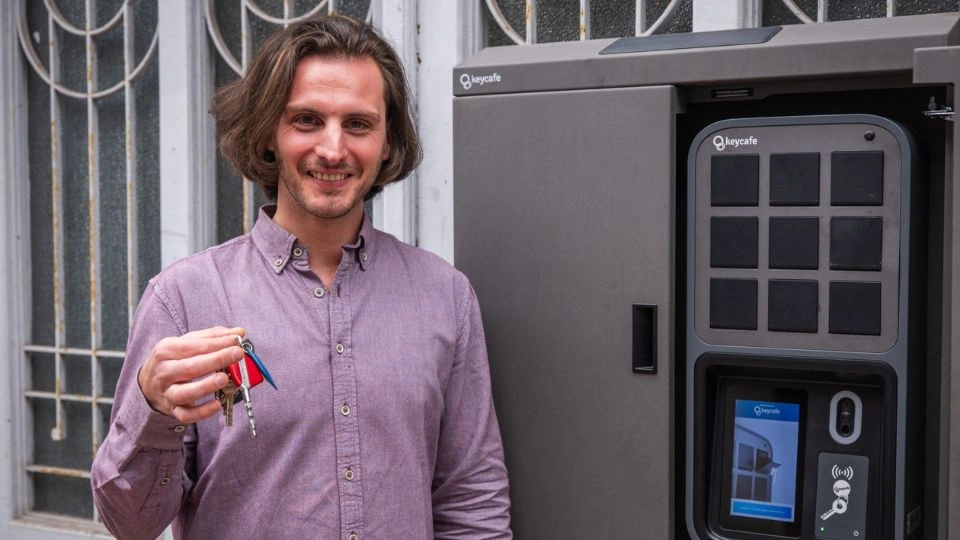
Modernios elektroninės raktų valdymo sistemos, tokios kaip Keycafe sprendimai viešbučiams, yra sukurtos suteikti fizinei prieigai struktūrą, matomumą ir atskaitomybę – padedant komandoms efektyviau veikti, tuo pačiu sumažinant riziką.