
A história da fundação da Airbnb é uma das mais recontadas nos negócios modernos, o que significa que foi suavizada para algo mais organizado do que realmente aconteceu.
A estrutura geral é precisa. Dois designers não conseguiam pagar o aluguel, então alugaram colchões de ar. Tudo o que se seguiu demorou mais, envolveu mais rejeição e dependeu mais de trabalho ingrato do que a história sugere.
2007: três colchões de ar
Brian Chesky e Joe Gebbia viviam num apartamento em São Francisco que não conseguiam pagar confortavelmente. Em outubro de 2007, a Industrial Designers Society of America realizou a sua conferência na cidade, e os quartos de hotel eram escassos e caros.
Eles colocaram três colchões de ar no chão, construíram um site simples e ofereceram alojamento com pequeno-almoço aos designers visitantes. Três pessoas aceitaram a oferta.
Duas coisas sobre aquele fim de semana são mais importantes do que os colchões.
Eles alimentaram e guiaram os seus hóspedes. A proposta original não era um quarto, era um anfitrião local. Essa abordagem moldou o marketing da empresa durante uma década.
Eles descobriram uma procura que não tinham previsto. Começaram a chegar e-mails a perguntar se o serviço funcionava noutras cidades. Ainda não existia.
2008: AirBed & Breakfast, e o cereal
Nathan Blecharczyk, um ex-colega de apartamento de Gebbia e engenheiro, juntou-se como o terceiro cofundador e construiu a plataforma.
O AirBed & Breakfast foi lançado oficialmente em agosto de 2008, propositadamente cronometrado em torno da Convenção Nacional Democrata em Denver, onde a cidade tinha escassez de alojamento. Funcionou, brevemente, e depois as reservas colapsaram.
O intervalo entre os lançamentos é onde a parte famosa acontece. Incapazes de angariar dinheiro e a operar com cartões de crédito, os fundadores compraram caixas de cereais simples e as reembalaram como novidades eleitorais de edição limitada, Obama O's e Cap'n McCain's, vendendo-as a preços inflacionados em torno da convenção.
A história é geralmente contada como uma anedota charmosa. É mais útil lê-la como prova de duas coisas que os investidores mais tarde citaram: os fundadores eram designers que podiam gerar atenção, e fariam um trabalho verdadeiramente ingrato para manter a empresa viva.
Eles também foram rejeitados repetidamente. A ideia de que estranhos dormiriam nas casas uns dos outros pareceu à maioria dos investidores inviável ou perigosa.
2009: Y Combinator, e as fotografias
A Y Combinator aceitou a empresa para o seu lote de inverno de 2009. Pouco depois, angariou uma ronda de investimento inicial da Sequoia Capital, e o nome foi encurtado para Airbnb.
A parte mais instrutiva deste período não tem nada a ver com angariação de fundos.
As reservas em Nova Iorque eram fracas, então os fundadores foram lá pessoalmente e analisaram os anúncios. As fotografias eram más. Então, alugaram uma câmara e fotografaram os imóveis eles próprios, e as reservas aumentaram.
Esta é a origem de uma parte da ortodoxia das startups que é constantemente citada e é genuinamente útil: aquilo que desbloqueia o crescimento é muitas vezes manual, não escalável e abaixo da descrição nominal do cargo dos fundadores.
2010 a 2016: crescimento, confiança e o problema da confiança
O crescimento a partir de 2010 foi muito rápido, e a restrição nunca foi a procura. Foi a confiança.
A resposta da empresa foi um conjunto de mecanismos em vez de uma única funcionalidade: avaliações bidirecionais, para que os anfitriões avaliassem os hóspedes e vice-versa; verificação de identidade; pagamentos retidos pela plataforma e libertados após o check-in, para que nenhuma das partes tivesse de confiar na outra com dinheiro; e, eventualmente, uma garantia para anfitriões e produtos de seguro.
Essa combinação é a verdadeira inovação. Os anúncios existiam desde a VRBO em 1995 e o Craigslist no mesmo ano. O que a Airbnb construiu foi um sistema em que um quarto de hóspedes de um estranho se tornava um produto comprável e segurável.
Dois contratempos moldaram a empresa neste período.
2011: a casa de um anfitrião foi saqueada por um hóspede, e a má gestão inicial da empresa tornou-se uma crise pública. Levou diretamente a uma grande garantia para anfitriões e a uma função substancial de confiança e segurança.
O conflito regulatório começou cedo. As regras do Estado de Nova Iorque sobre ocupação transitória em habitações múltiplas já eram um problema para o modelo muito antes de a maioria das cidades notar a existência do setor.
2016 a 2019: da partilha de casas a uma indústria
Em meados da década de 2010, a própria abordagem da empresa e o seu negócio real tinham divergido.
O marketing era sobre pertença e anfitriões locais. Uma parte substancial e crescente do inventário era gerida profissionalmente, propriedade de investidores e operada à escala de portfólio. Toda uma indústria de apoio apareceu: gestores de canais, preços dinâmicos, mercados de limpeza e sistemas de troca de chaves.
A Airbnb expandiu-se para as Experiences em 2016 e, brevemente, para hotéis e luxo. Também começou a cooperar com as cidades na cobrança de impostos e dados de registo, o que foi uma mudança estratégica significativa em relação à resistência anterior.
2020: o ano que quase a acabou
Nos primeiros meses da pandemia, o negócio da Airbnb desmoronou-se quase completamente. A empresa cortou cerca de um quarto da sua força de trabalho, angariou capital de emergência em condições punitivas e abandonou várias linhas de produtos.
O que se seguiu foi mais surpreendente do que o colapso. A procura regressou numa forma diferente: estadias mais longas, viagens domésticas, destinos rurais e de pequenas cidades, e trabalhadores remotos a relocalizarem-se por meses em vez de noites. A empresa reorientou-se em torno disso, e revelou-se durável.
A Airbnb foi listada na Nasdaq em dezembro de 2020, menos de um ano depois de quase falir, numa das reviravoltas mais notáveis do período.
2021 até agora: a era regulamentada
A característica definidora da história recente da Airbnb não é um produto. É o facto de a empresa operar agora dentro das regras na maioria dos seus principais mercados.
O padrão repete-se em várias cidades: números de registo exigidos nos anúncios, plataformas obrigadas a verificá-los e a bloquear reservas não registadas, limites de noites e requisitos de residência principal.
Nova Iorque é o exemplo mais claro. Ao abrigo da Local Law 18, em vigor desde setembro de 2023, os anfitriões devem registar-se na cidade e as plataformas não podem processar reservas para anúncios não registados. Relatórios indicaram que os anúncios de curta duração na cidade eram de aproximadamente 2.300 depois, em comparação com cerca de 22.000 antes.
Barcelona disse que não irá renovar cerca de 10.000 licenças de apartamentos turísticos quando estas expirarem em 2028.
Amesterdão, Paris, Londres, Los Angeles, Toronto e Sydney aplicam limites de noites. O Regulamento UE 2024/1028 está a promover o registo e a partilha de dados em todo o bloco.
Duas mudanças de política por parte da própria Airbnb são dignas de nota porque mostram a direção:
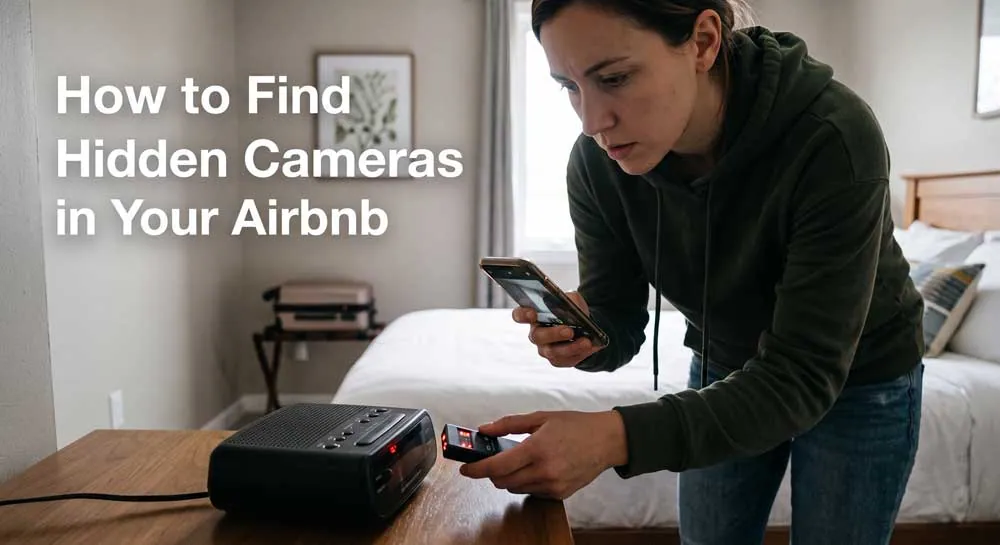
Abril de 2024: todas as câmaras interiores banidas nos anúncios, independentemente da divulgação.
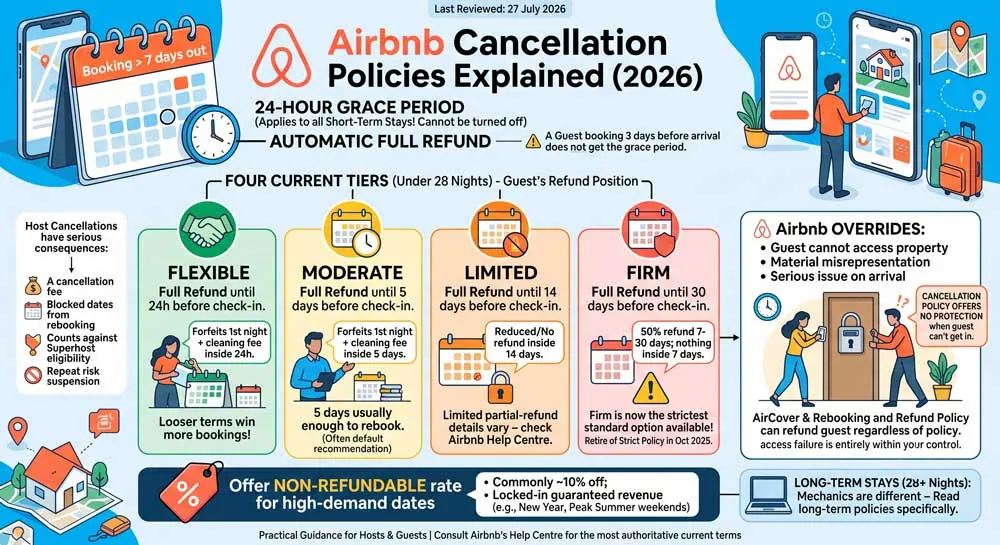
Outubro de 2025: a política de cancelamento Strict retirada, com os anúncios existentes migrados para um novo nível Firm.
Ambas são as ações de uma empresa a gerir um mercado maduro e escrutinado, em vez de desenvolver um novo.
O que a história realmente mostra
A ideia não foi a inovação. Alugar quartos a viajantes é algo antigo, e os anúncios online precederam a Airbnb em mais de uma década. A inovação foi o aparelho de confiança.
O trabalho não escalável foi o mais importante. Fotografar apartamentos manualmente em Nova Iorque é a lição de crescimento mais citada da história da empresa, e foi manual.
A regulamentação seguiu a escala, não o conceito. As cidades não se opuseram à partilha de casas. Elas opuseram-se à retirada de stock habitacional do uso residencial em volume, o que só se tornou possível depois de o problema de correspondência ter sido resolvido.
A mudança estratégica durante a pandemia foi acidental e duradoura. Estadias mais longas e arrendamento a médio prazo foram uma resposta de sobrevivência em 2020 e são agora uma parte estrutural do mercado, reforçadas pelos limites de noites que empurram os operadores acima do limiar do arrendamento de curta duração.
Um colchão de ar no chão em 2007 é uma história genuinamente boa. A mais útil é o que foi preciso para mantê-la viva entre 2008 e 2010.
Este artigo baseia-se em relatos públicos amplamente divulgados sobre a história da Airbnb. A narrativa da fundação foi recontada muitas vezes e detalhes específicos variam entre as versões, incluindo datas exatas e valores de financiamento inicial. Detalhes regulatórios e de política recentes refletem a posição no momento da redação e mudam frequentemente. Se detetar um erro, por favor informe-nos e nós corrigiremos.