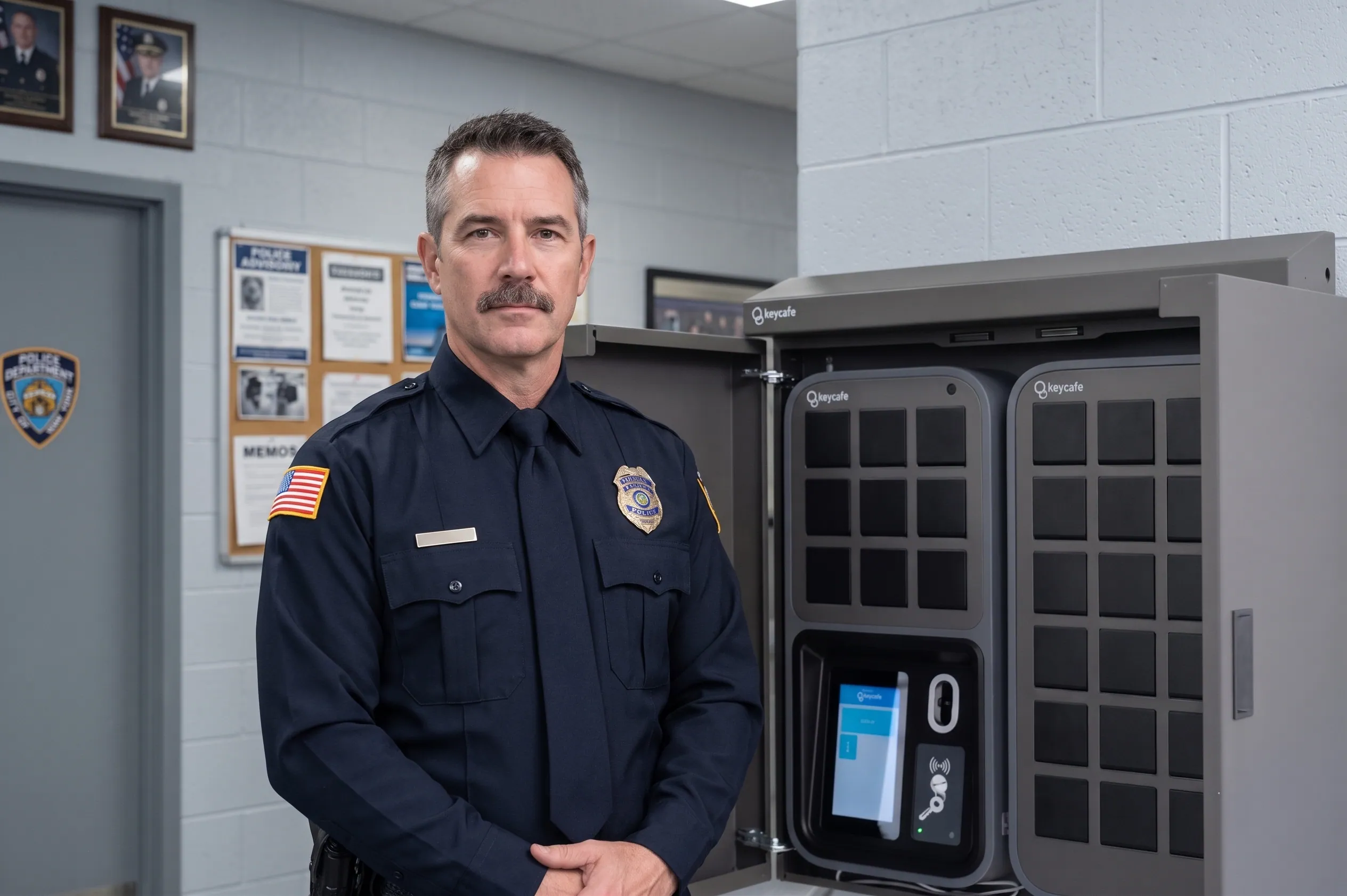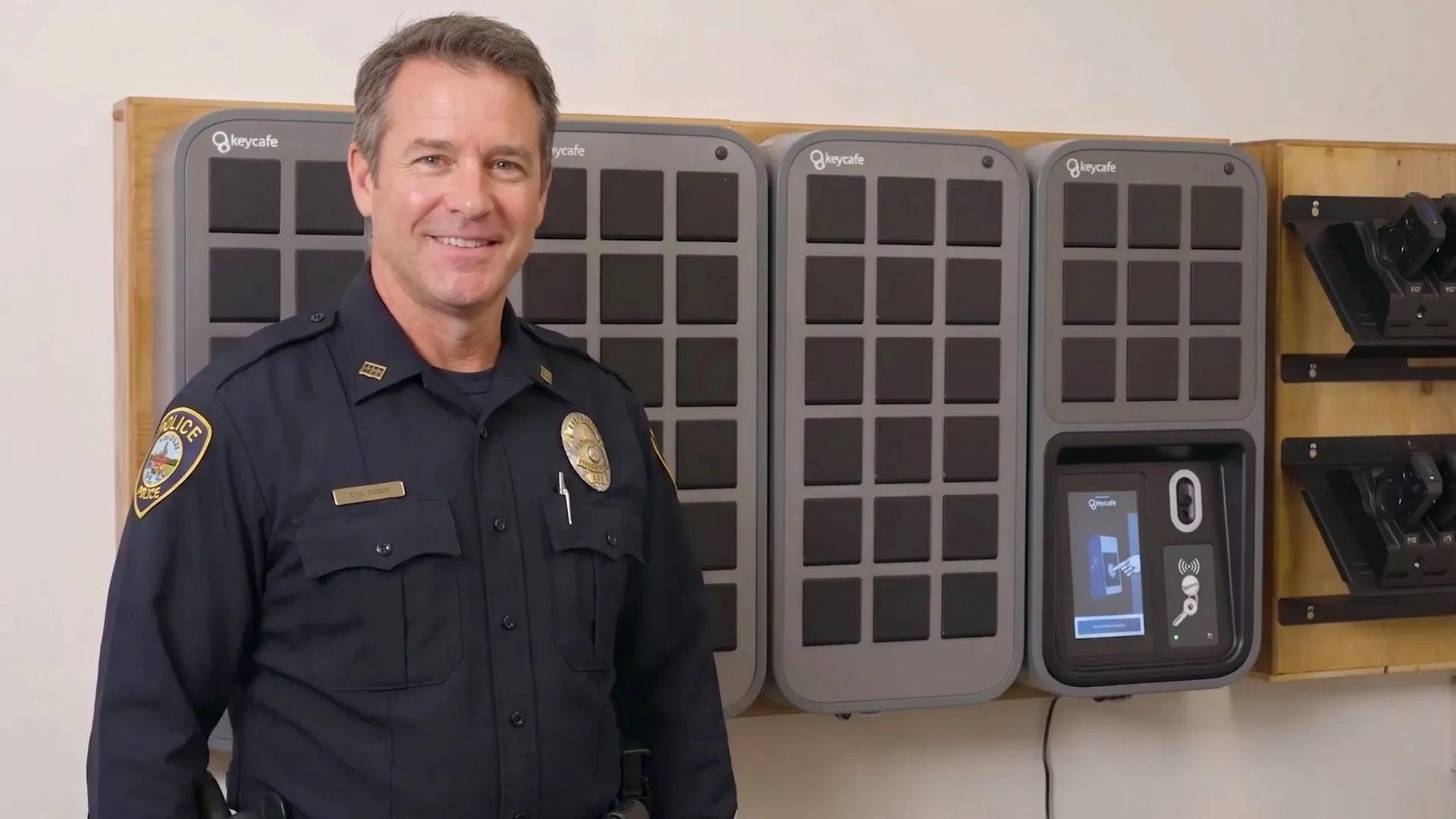

Many police departments track every scanned item inside their property and evidence management system, from intake through disposal. Fewer departments can prove with the same certainty who held the physical keys to the property room, the narcotics cage, or the drying cabinet between those scans. Evidence room key control is a direct part of the chain of custody alongside physical facility security. When a defense attorney challenges how an exhibit was stored or a state auditor reviews vault access, missing key records create the same credibility gap as a missing barcode entry.
Why Evidence Room Key Control Is Part of the Chain of Custody
In United States courts, Federal Rules of Evidence Rule 901 requires prosecutors to authenticate physical evidence by showing it is what they claim it is, and chain of custody is one of the main ways they do it. Gaps in that custody give defense attorneys room to challenge the evidence. Every person who handles an exhibit leaves a documented link in that chain.
Physical locks govern who can reach those exhibits when nobody is scanning barcodes. Under CALEA Chapter 84 standards, agencies are expected to restrict property and evidence storage areas strictly to authorized personnel while keeping high-risk items (currency, precious metals, jewelry, firearms, and controlled substances) inside separately locked vaults, containers, or interior cages. If those locks are opened with untracked keys, the agency cannot confirm who had physical access to the shelf.
What Happens When Key Access Cannot Be Proved
Gaps in key accountability create operational and legal problems long before an item ever goes missing. In criminal cases, defense counsel routinely scrutinizes evidence handling for any period where custody is unclear. When an agency cannot show who held the key to a storage area or inner cage during a specific window, opposing counsel can challenge the integrity of the exhibit and how much weight it carries in court.
Audits expose the same gaps. Property room audits commonly flag failures to update locks or access codes after personnel changes, weak camera coverage over vaults, and missing entry logs for inner cash, drug, and firearm rooms. Unaccounted keys also complicate internal investigations and damage public confidence when command staff need an objective record showing who entered a room and when.
Losing control of evidence room access can cost entire prosecutions. In a 2025 case in Hanceville, Alabama, 58 felony cases were dismissed because the evidence could no longer be trusted. A grand jury reviewed security footage of the evidence room and indicted the police chief and four officers for mishandling or removing evidence, with the district attorney highlighting “unfettered access” to the room, including a hole in the wall and a broomstick used to open the door. The city suspended the department and voted to rebuild it.
Four Key-Control Weak Spots in Small and Mid-Sized Agencies
Small and mid-sized agencies often run property rooms with one or two dedicated technicians and a backup supervisor. Under daily staffing pressure, informal habits settle into place and leave predictable vulnerabilities.
Shared Keys on Hooks or in Desk Drawers
Keeping a master evidence key or a drying cabinet key on a hook inside a supervisor’s office means any person with access to that room can open the lock without an individual record. Even if two or three trusted supervisors share the same key ring, there is no way to tell after the fact which person opened the cage.
Keys Passed Between Shifts
Handing keys directly from an outgoing supervisor or detective to an incoming shift saves a trip to the property office, especially during busy weekends. Direct handoffs break the custody timeline because the department only knows who received the key initially, not who carried it overnight or when it changed hands.
Spare Keys Without Serialization or Logs
Backup keys stored in an administrative safe or commander’s file cabinet are easy to overlook during routine inspections. Without unique markings, serial numbers, and a checkout record, a spare key can be borrowed and returned without anyone on the evidence team noticing. As a baseline best practice, every physical property room key, including spares, should be uniquely marked and tracked.
Former or Reassigned Personnel Who Still Have Access
Officers promote, transfer to patrol or investigations, retire, or leave the agency. When keys are not collected and locks or combinations are not changed the same day, former custodians retain access to active evidence areas. Property room audits commonly flag access not being updated after staff changes as a common finding in property room audits.
How Electronic Key Systems Strengthen Evidence Custody
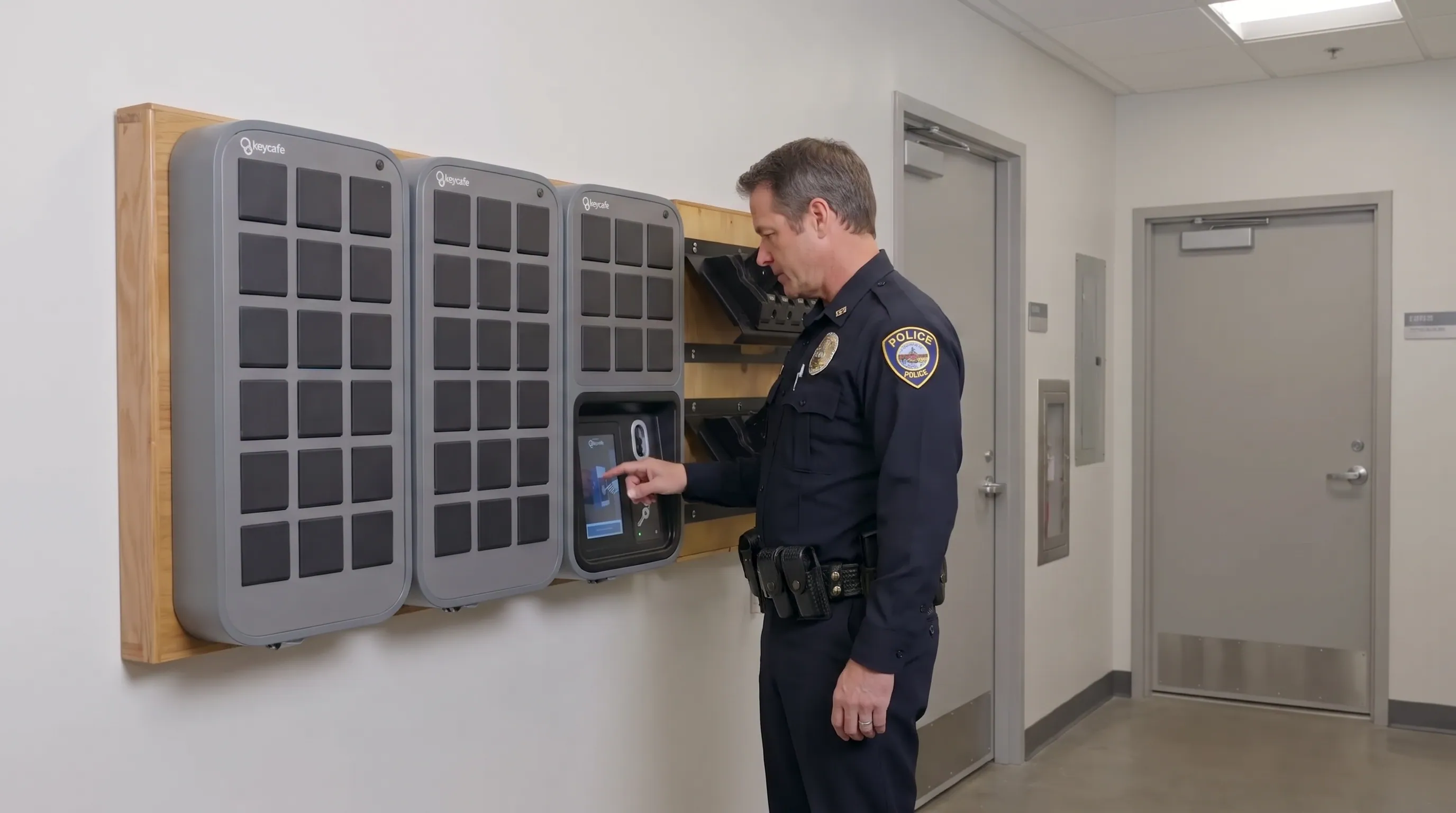
Replacing open pegboards and shared lockboxes with an electronic key locker puts the same individual accountability on physical keys that agencies expect from their evidence software. Rather than relying on memory or voluntary sign-out habits, the cabinet itself enforces who can access a key and records the transaction automatically.
For property and evidence workflows, five capabilities matter most:
Access stays restricted to authorized evidence personnel, keeping patrol officers out of the vault while one-way pass-through lockers handle after-hours intake, as recommended in the Minnesota Office of the State Auditor’s Property and Evidence Best Practices guide.
Schedule-based permissions limit key release to assigned shifts and authorized hours.
Every checkout and return generates a time-stamped log tied directly to an individual user credential.
Alerts notify supervisors if a key is accessed after hours or not returned on time.
Managers can export chronological access reports quickly whenever an auditor, prosecutor, or internal investigator requests documentation.
No key cabinet guarantees courtroom admissibility or CJIS compliance on its own, since those outcomes depend on broader evidence handling, digital security, and agency policy. Still, removing guesswork from physical key access closes an obvious gap. Agencies that have modernized key control across shifts report clear improvements in daily accountability. For instance, the Pearl Police Department and Champlin Police Department adopted Keycafe to track keys across shifts and stop losing track of who had them last.
Keycafe’s key management system combines cloud software with electronic key locker hardware, which can expand in capacity as an agency’s storage needs grow. Through this unified system, evidence supervisors can assign role- and schedule-based permissions, verify live key status remotely, flag after-hours access immediately, and export audit logs without issuing separate hardware credentials, since staff authenticate with a PIN or the Keycafe mobile app.
Practical Best Practices Command Staff Can Put in Place Now
Technology works best when department policy backs it up. Police chiefs, lieutenants, and evidence managers can tighten evidence room key control by putting five practices into routine operation:
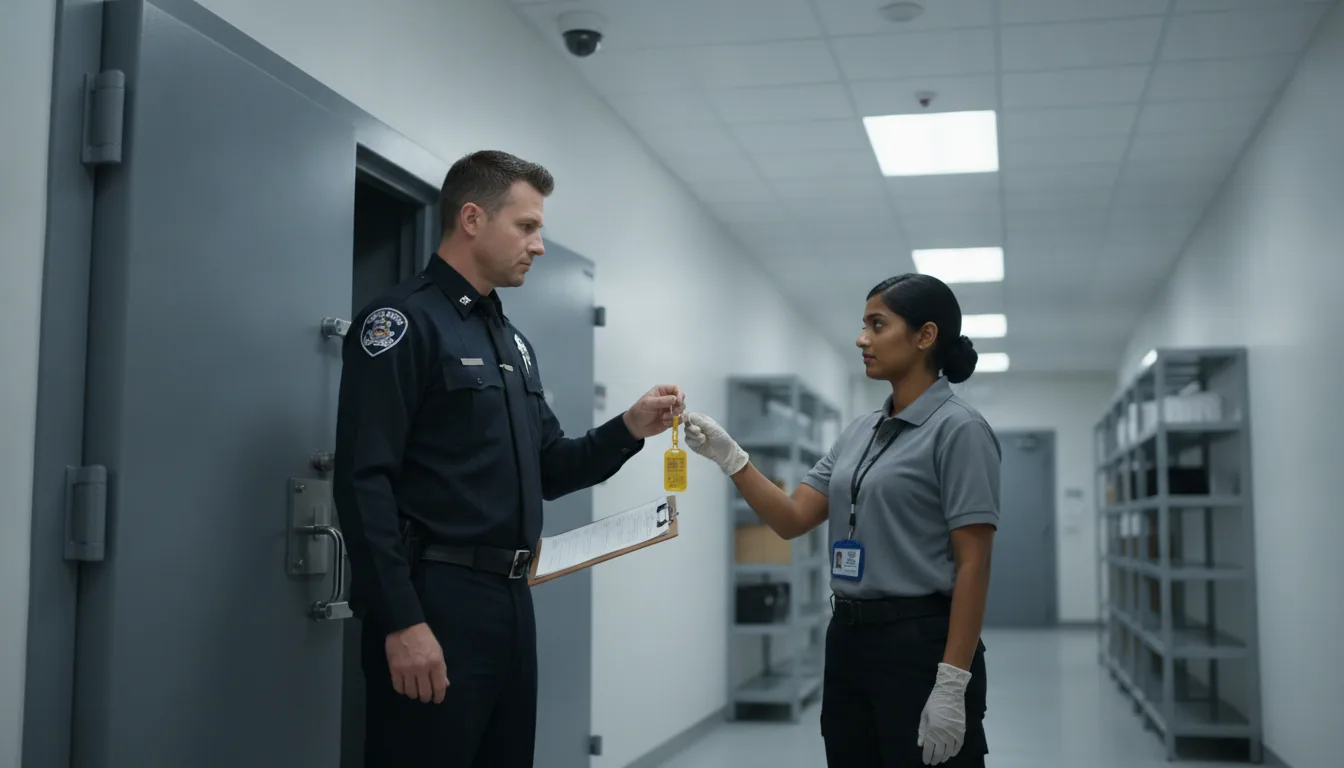
Limit key eligibility strictly to assigned evidence technicians and designated backup supervisors. Route after-hours submissions through pass-through lockers, and require a property custodian escort whenever IT staff, locksmiths, or outside vendors enter the space.
Enforce the two-person rule for high-risk vaults holding narcotics, cash, and firearms, either by pairing separate physical locks held by two custodians or requiring dual authorization before a key is released.
Review key access logs on a regular weekly schedule instead of waiting for an incident. Check after-hours flags and compare key pickups against property room entry logs and camera recordings.
Run periodic key audits alongside your CALEA or state-mandated inventory checks, verifying every serialized primary and spare key against the roster of active personnel.
Revoke access immediately when staff change roles. Add physical key collection, lock rekeying, and electronic credential deactivation to your same-day transfer, retirement, and separation checklist.
Bringing Full Accountability to Evidence Room Key Control
Property management software already documents what happens to an exhibit at the intake counter and on the shelf. Bringing that same level of user-specific tracking to evidence room keys protects the integrity of your cases, prepares your department for unannounced audits, and keeps accountability clear across every command transition. If your agency is reviewing its property room access controls, explore how Keycafe supports law enforcement agencies or schedule a brief demo to see how electronic permissions and exportable key logs fit your evidence workflow.