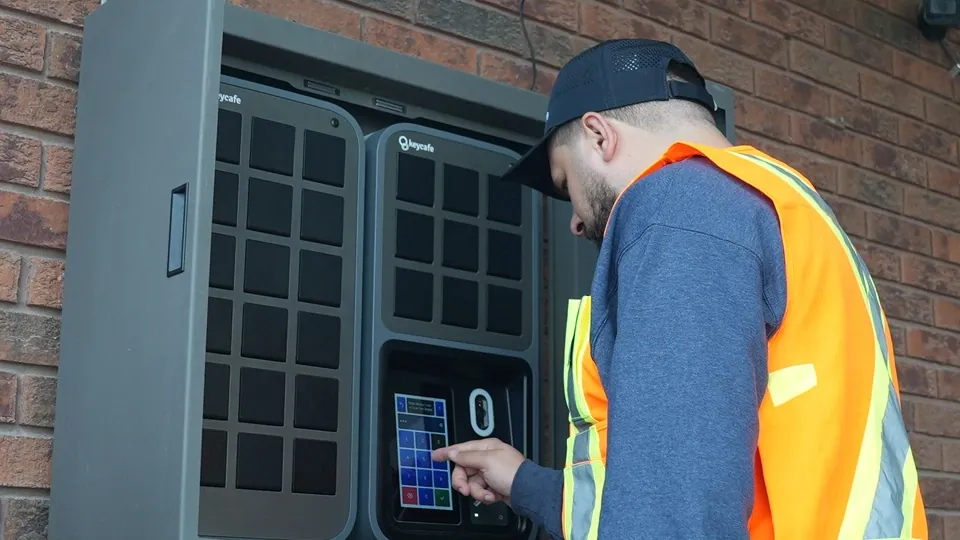

Misplaced keys may seem like a minor issue in the grand scope of fleet operations, but they often signal deeper cracks in key control systems. For fleet managers already using or considering a solution for fleet key management, refining fleet key management protocols can unlock major efficiency gains. If you’re unfamiliar with how these systems work, check out our article explaining what an electronic key management system is.
Whether you’re scaling operations or tightening driver access protocols, the following practical tips will help you get the most out of your key control system and ensure nothing (and no one) slips through the cracks.
1. Centralize Key Storage
Use a single, secure location for all fleet keys. Centralized key storage—preferably in a locked cabinet or electronic key box—ensures visibility and simplifies management. This leaves no questions as to where an unused key should be, and acts as a hub for drivers to start and end their shifts.
2. Implement a Digital Key Tracking System
Manual key logs are prone to errors and often neglected. Switch to a digital key management system that records every key pickup and drop off automatically. Many solutions offer real-time visibility and customizable access levels, ensuring only preapproved users can access keys.
3. Assign Key Responsibility
Make individual users accountable for their usage of keys. Assign key access to specific drivers or staff members using your fleet key tracking system and track usage by name, time, and location. A culture of accountability significantly reduces negligence.
4. Train Your Team
Educate drivers and staff about the importance of key control. Clear protocols and regular reminders help reinforce good habits, such as returning keys promptly after use. Physical key management technology is important for reducing key loss, but staff compliance and adherence to procedures play a role too.
5. Use Unique Key Tags or Labels
Label keys clearly and consistently. Use color-coded tags, vehicle IDs, or barcodes to prevent confusion—especially in fleets with similar vehicles. If using key management software, use a consistent naming convention so searches can be done quickly.
6. Create Access Restrictions
Not everyone needs access to every vehicle. Role-based access control ensures only authorized personnel can retrieve certain keys, reducing the risk of unauthorized use. Using a system that is capable of remote permission management allows for emergency accesses to be created in real time.
7. Keep Spare Keys Secure, but Accessible
Maintain a controlled inventory of spare keys. Store them in a separate secure, but still convenient location, and log all access to avoid misuse or duplication. Ensure that only managers or other necessary staff have access to prevent misuse.
8. Conduct Regular Audits
Periodically audit your key inventory and usage logs. Look for discrepancies, overdue returns, or unauthorized access, and follow up promptly. Many key management systems include data exports that make the audit process easier.
9. Set Up Alerts and Notifications
Modern key management systems send instant alerts for overdue key returns, unauthorized access attempts, or unusual activity. Real-time notifications ensure incidents can be dealt with proactively, before they snowball into larger issues.
10. Plan for Lost Key Incidents
Even with the best processes, keys can occasionally go missing. Have a contingency plan that includes immediate vehicle lockout procedures, spare key access, and incident documentation.
Optimize Your Key Control Strategy with Fleet Key Management
Strong key control isn’t just about preventing loss—it’s about creating a seamless, accountable system that supports the speed and scale of your fleet operations. With these 10 actionable steps, you’ll not only reduce the risk of misplaced keys, but also lay the groundwork for a more secure and efficient fleet environment.
Want to see how a modern key management system can work for your fleet?
Keycafe offers a cloud-connected key management solution built for the needs of fleets of all sizes. With real-time key tracking, automated access control, modular hardware, and software integrations, you can manage vehicle keys from anywhere—no spreadsheets, no manual handoffs.
Watch this demo and discover how we help fleets simplify operations, reduce costs, and eliminate key chaos.