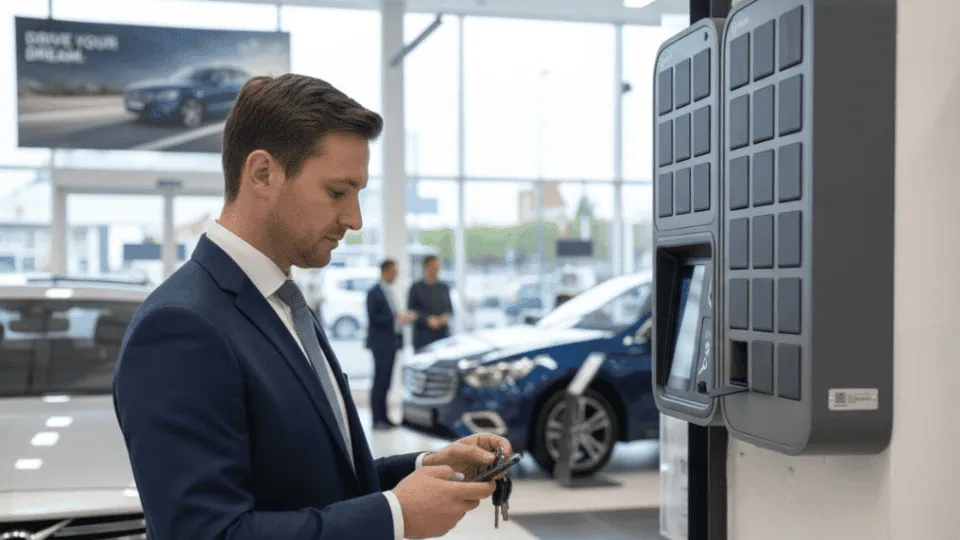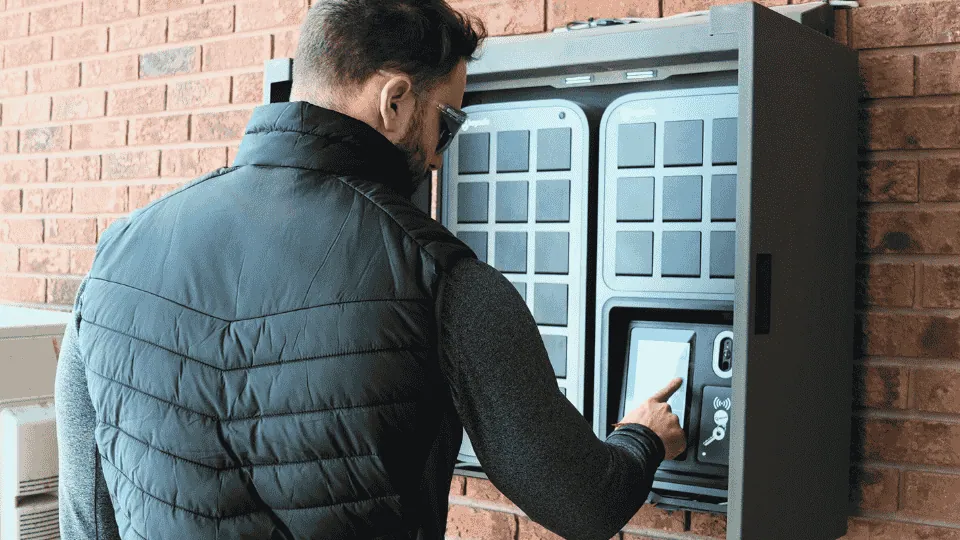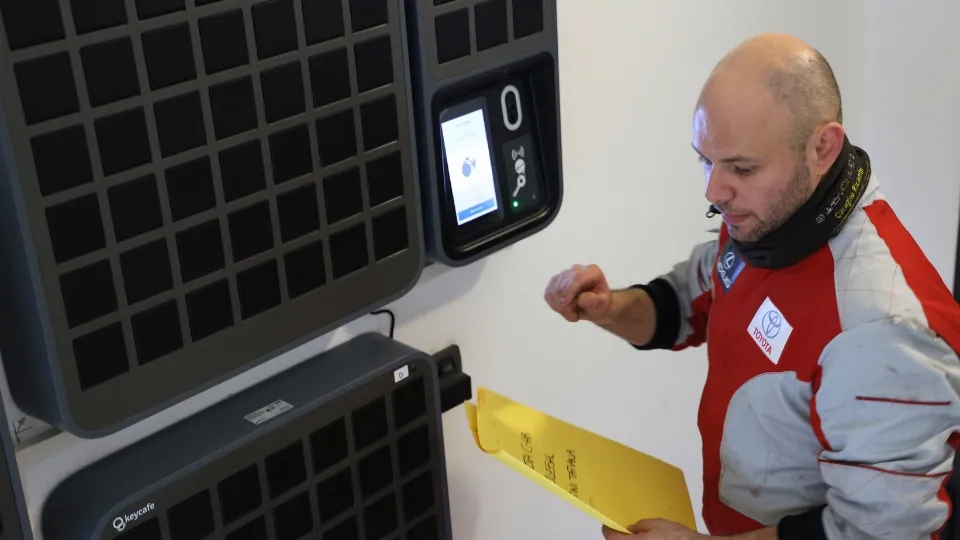

Vidutinė atstovybė dešimtis kartų per savaitę duoda raktus žmonėms, kurie ten nedirba. Detalizavimo specialistai, plovyklų paslaugų teikėjai, transportuotojai, mobilieji technikai, subnuomojamos kėbulo remonto dirbtuvės ir aukcionų darbuotojai nuolat perkelia transporto priemones po aikštelę. Tačiau daugelis šių raktų perdavimų nėra registruojami.
Atstovybės deda daug pastangų, kad stebėtų savo darbuotojus. Tikriausiai žinote, kuris pardavėjas paėmė automobilį bandomajam važiavimui arba kuris aptarnavimo konsultantas turi kliento transporto priemonę. Šis matomumas dažnai dingsta, kai trečiosios šalies paslaugų teikėjui prireikia rakto.
Raktai perduodami, paliekami kažkur arba pasiekiami per bendrinamą kodą, ir gali nebūti įrašo apie tai, kas juos paėmė.
Būtent čia paslaugų teikėjų prieiga tampa raktų kontrolės problema.
Kur paslaugų teikėjų prieiga prie raktų tampa sudėtinga
Paslaugų teikėjų prieigos iššūkis yra tas, kad kiekvienas paslaugų teikėjas jūsų raktus naudoja skirtingai. Plovimo komandai gali prireikti daug raktų kelioms valandoms. PDR technikas gali turėti poreikį tik vienai transporto priemonei. Transportuotojui gali prireikti kelių transporto priemonių paruoštų vienu metu, kartais prieš ar po įprastų darbo valandų.
Tai reiškia, kad suteikti kiekvienam paslaugų teikėjui tą patį prieigos lygį nėra labai prasminga. Procesas turėtų atspindėti, ką kiekvienas paslaugų teikėjas iš tikrųjų atlieka.
Paslaugų teikėjo tipas | Ko jiems reikia | Kur atsiranda rizika |
Detalizavimo ir plovimo komandos | Prieiga prie kelių transporto priemonių pamainos metu | Raktai greitai juda ir gali būti pamesti, supainioti arba palikti transporto priemonėse. |
Transportuotojai | Greita prieiga prie transporto priemonių, dažnai ne darbo valandomis | Vairuotojai gali atvykti, kai niekas negali perduoti raktų. |
Mobilieji technikai ir subnuoma | Prieiga prie konkrečių transporto priemonių | Suteikiant jiems plačią prieigą prie raktų spintelės, atskleidžiami raktai, kurių jiems nereikia. |
Aukcionai ir didmeninė prekyba | Keli raktai transporto priemonėms, išvežamoms iš aikštelės | Neįrašius perdavimo, gali būti sunku sužinoti, kuris vairuotojas paėmė kuriuos raktus. |
Kodėl tradiciniai sprendimai yra neveiksmingi
Daugelis atstovybių vis dar naudoja raktų žurnalus, lenteles su kabliukais ir raktų dėžutes transporto priemonių raktams valdyti. Šios sistemos gali veikti, tačiau jos priklauso nuo to, ar darbuotojai yra prieinami ir visada laikosi proceso. Tai ne visada realu, kai transporto priemonės nuolat juda tarp pardavimų, aptarnavimo, atnaujinimo ir išorinių paslaugų teikėjų.
Kai įprastas procesas lėtina darbą, darbuotojai randa kitą būdą. Pardavėjas gali palikti atsarginį raktą po kilimėliu įlenkimų taisymo technikui. Serviso vadovas gali palikti raktų lentą atrakintą po darbo valandų, nes atvyksta transportuotojas. Vadovas gali nusiųsti paslaugų teikėjui raktų dėžutės kodą, kuris yra dalijamasi ir pakartotinai naudojamas ilgai po to, kai jis buvo išduotas.
Kai raktai pradeda judėti už įprasto proceso ribų, juos sekti tampa daug sunkiau. Jei vienas dingsta, atstovybė gali tikrinti tekstinius pranešimus, klausinėti darbuotojų arba bandyti prisiminti, kas paskutinis jį turėjo.
Geresnė sistema turėtų leisti paslaugų teikėjams gauti reikiamus raktus, kiekvieną kartą nekuriant atskiro proceso.
Kaip išmanusis raktų valdymas atrodo paslaugų teikėjų prieigai
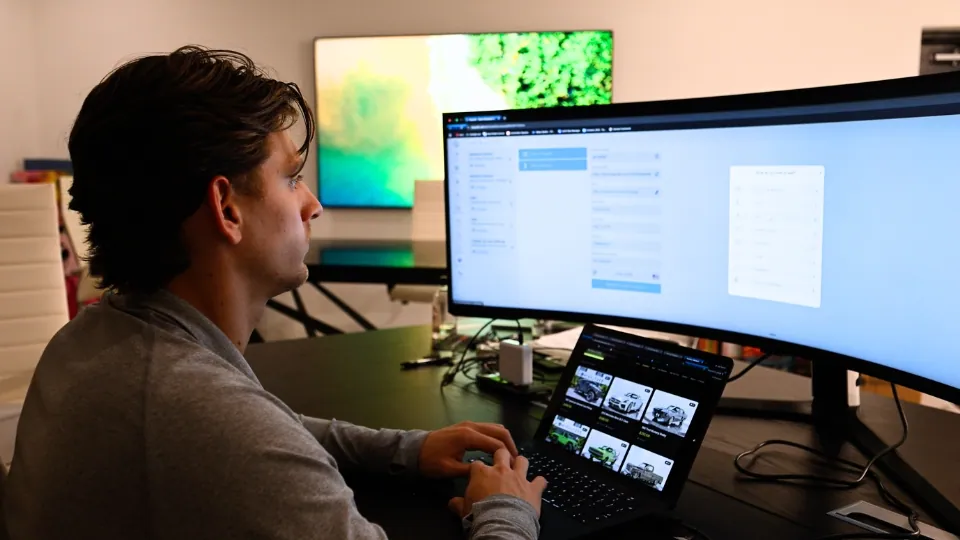
Išmanusis raktų valdymas turėtų palengvinti paslaugų teikėjų prieigos kontrolę, neapsunkinant jos valdymo. Vietoj to, kad pasikliautų bendrinamais kodais, fiziniais raktų perdavimais ar neformaliais procesais, atstovybės gali suteikti paslaugų teikėjams reikalingą prieigą, automatiškai stebėdamos, kas, kada ir kiek laiko naudojo kiekvieną raktą.
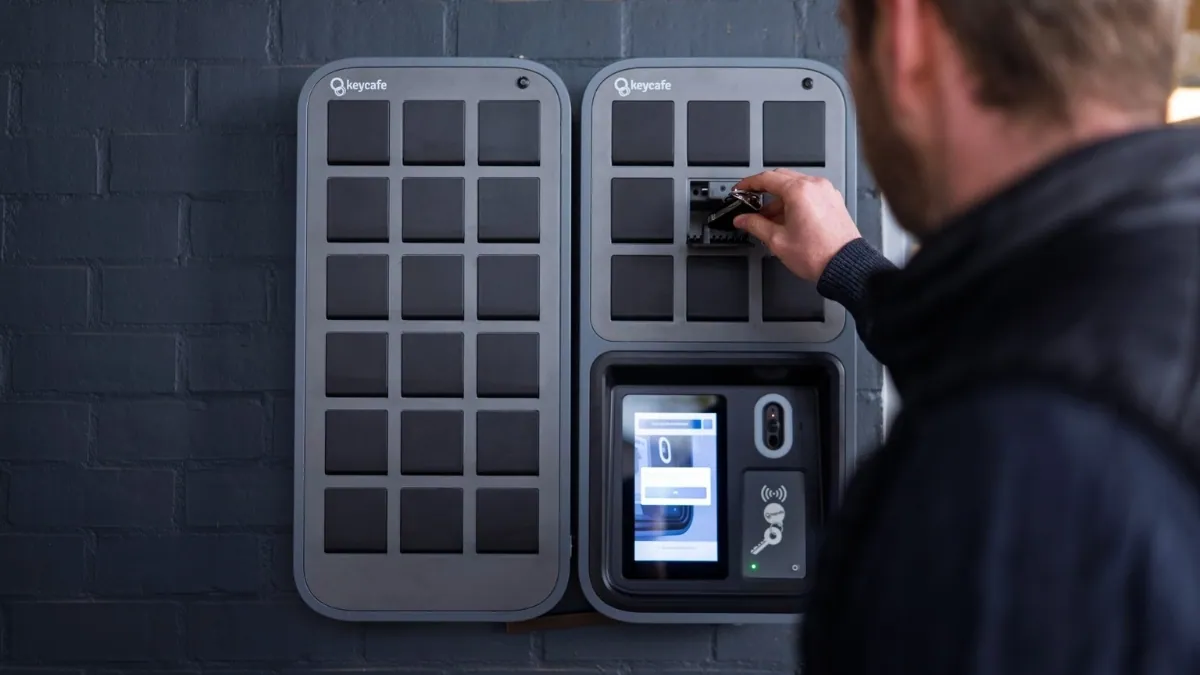
Būtent čia tokia sistema kaip Keycafe gali integruotis į atstovybės darbo eigą. Keycafe elektroninė raktų valdymo sistema sujungia fizinį SmartBox su debesų pagrindu veikiančiomis prieigos kontrolėmis, leidžiančiomis atstovybėms stebėti raktų veiklą, valdyti leidimus ir matyti, kas turi raktą realiuoju laiku.
Individualūs prisijungimo duomenys
Gera paslaugų teikėjo prieiga prasideda nuo konkretaus vartotojo identifikavimo. Su Keycafe paslaugų teikėjai gali naudoti unikalų PIN kodą arba mobiliąją prieigą, kad atsiimtų įgaliotą raktą. Kiekviena operacija yra registruojama, suteikiant atstovybei matomumą apie tai, kas ir kada naudojo raktą.
Laiko ir transporto priemonės konkrečių leidimų apribojimai
Paslaugų teikėjams nereikia prieigos prie kiekvieno rakto atstovybėje. Leidimai gali būti nustatomi pagal raktus ir laiką, susijusį su jų darbu.
Prieiga, pagrįsta laiku, gali apriboti, kada paslaugų teikėjas gali atsiimti raktus.
Jei plovimo komanda dirba nuo 8 val. ryto iki 16 val. po pietų, jų prieiga gali būti apribota iki šio laiko.
Raktai laikomi atskiruose užrakintuose skyriuose, padedant užkirsti kelią neteisėtai prieigai arba atsitiktiniam neteisingo rakto paėmimui.
Programuojami perspėjimai
Paslaugų teikėjų atskaitomybę lengviau užtikrinti, kai sistema gali padėti sekti pradelstus raktus. Keycafe gali siųsti automatinius SMS arba el. pašto pranešimus, kai raktus reikia grąžinti, sumažinant rankinio priminimo poreikį.
Savitarnos paėmimas
Savitarnos paėmimas leidžia įgaliotiems paslaugų teikėjams atsiimti raktus nelaukiant atstovybės darbuotojų. Su Keycafe paslaugų teikėjas gali gauti saugų prieigos kodą ir atsiimti priskirtą raktą iš SmartBox, leidžiant atsiimti raktus po darbo valandų, neatidarant pardavimų stalo.
Tiesioginiai skaitmeniniai perdavimai
Kartais raktą reikia perduoti tiesiogiai iš vieno asmens kitam. Keycafe palaiko tiesioginius raktų perdavimus, leidžiančius įgaliotam vartotojui perduoti raktą kitam asmeniui, pirmiausia negrąžinant rakto į SmartBox. Perdavimas išlieka raktų veiklos istorijos dalimi, padedant atstovybei išlaikyti matomumą viso proceso metu.
Tikslas nėra pridėti papildomą darbo sluoksnį atstovybei. Išmanusis raktų valdymas turėtų pakeisti rankinius veiksmus, bendrinamus kodus ir nuolatinius priminimus procesu, kurį lengviau kontroliuoti, sekti ir valdyti.
Geresnės prieigos kontrolės diegimas
Pakeitus paslaugų teikėjų prieigos prie raktų būdą, gali kilti trinties, jei tai bus atliekama netinkamai. Tikslas yra įdiegti šią sistemą, nesulėtinant jūsų partnerių.
Išmanioji raktų valdymo sistema sukurta siekiant paprastumo ir patogumo, užtikrinant, kad jūsų komanda galėtų pradėti veikti per kelias minutes. Galite greitai sugeneruoti unikalius prieigos kodus savo ilgalaikiams partneriams. Pasibaigus paslaugų teikėjo sutarčiai, vadovai gali lengvai atšaukti leidimus tiesiai iš savo telefono. Nuotolinė prieiga leidžia vadovams suteikti ir atšaukti prieigą prie raktų iš bet kur ir bet kada. Debesų pagrindu veikianti sistema suteikia jums visišką kontrolę virš jūsų inventorizacijos, net ir po darbo valandų.
Užtikrinkite paslaugų teikėjų judėjimą neprarandant raktų kontrolės
Trečiųjų šalių paslaugų teikėjai yra kasdienės darbo eigos dalis daugumoje atstovybių, todėl prieiga prie raktų turėtų veikti taip pat efektyviai kaip ir likusi operacijos dalis. Kai paslaugų teikėjai gali pasiekti tinkamus raktus nelaukdami darbuotojų, transporto priemonės juda toliau, o darbuotojai praleidžia mažiau laiko tvarkydami įprastus perdavimus.
Išmanusis raktų valdymas suteikia atstovybėms aiškesnį būdą tvarkyti tą prieigą. Vietoj to, kad pasikliautų bendrinamais kodais, paslėptais raktais ar žodiniais perdavimais, vadovai gali kontroliuoti leidimus, sekti veiklą ir matyti, kas turi raktą, kai tai svarbu.
Atstovybėms, siekiančioms pagerinti paslaugų teikėjų prieigos valdymą, elektroninė raktų valdymo sistema, tokia kaip Keycafe, gali integruoti šiuos procesus į saugesnę, stebimą darbo eigą.
Sužinokite daugiau apie Keycafe raktų valdymo sistemą atstovybėms, kad pamatytumėte, kaip ji gali padėti supaprastinti prieigą prie raktų, pagerinti atskaitomybę ir užtikrinti transporto priemonių judėjimą.