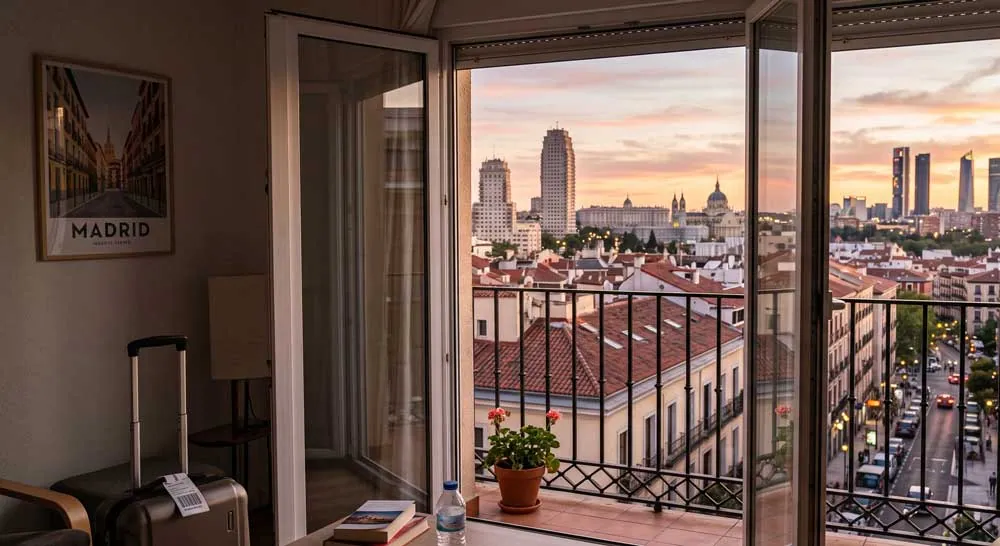

De meeste regelgeving voor korte termijn verhuur richt zich op wie mag verhuren, voor hoeveel nachten en tegen welk belastingtarief. Madrid heeft iets ongewoons gedaan. De regels bepalen nu de fysieke route die een gast aflegt van de stoep naar de deur.
Dat maakt Madrid de enige stad in deze reeks waar toegangsontwerp geen operationele voorkeur is. Het is de vergunningsvoorwaarde.
Wat Plan RESIDE eigenlijk vereist
Plan RESIDE, goedgekeurd door de Comunidad de Madrid in augustus 2025, verving het Plan Especial de Hospedaje uit 2019 en reorganiseerde waar toeristische accommodatie in de hoofdstad mag bestaan. Het leidende principe is een verbod op spreiding: de stad wil geen toeristische appartementen meer verspreid over gebouwen waar bewoners wonen.
In de praktijk resulteert dat in twee toegestane vormen.
Binnen het historische centrum is nieuw toeristisch gebruik beperkt tot gebouwen die volledig zijn bestemd voor hospedaje of tertiair gebruik. Een appartement in een gedeeld woonblok komt niet in aanmerking.
Buiten het historische centrum is een toeristisch appartement in een gedeeld woongebouw alleen toegestaan indien het een onafhankelijke toegang heeft direct vanaf de straat, op de begane grond of eerste verdieping. Geen gedeelde ingang. Geen gedeelde trap met bewoners.
Decreto 27/2026, gepubliceerd begin april 2026 en van kracht vanaf 26 april 2026, heeft het kader verder aangescherpt. Het introduceerde het CIVUT geschiktheidscertificaat, afgegeven door een gekwalificeerde technicus, vereiste uitdrukkelijke instemming van de comunidad de propietarios met een drempel van drievijfde, stelde minimale vloeroppervlakken vast en sloot beschermde woningen volledig uit van toeristisch gebruik.
Daarbovenop komt het nationale plaatje: het NRUA uniek verhuurregistratienummer, vereist voor adverteren op platforms, en SES Hospedajes gastregistratie binnen 24 uur na check-in. Boetes onder het gemeentelijke kader zijn naar verluidt opgelopen tot bedragen van zes cijfers in euro's.
De belangrijkste statistiek vertelt u waar dit naartoe gaat. Naar schatting telt Madrid meer dan 16.000 toeristische appartementen, waarvan slechts ongeveer 7% met de juiste vergunning opereert. Wat er ook gebeurt, het betekent dat een groot aantal exploitanten ofwel legaliseert ofwel stopt.
De regelgeving beschrijft een sleuteloverdracht
Lees de vereiste van onafhankelijke toegang opnieuw als een operationeel medewerker in plaats van een advocaat.
De stad zegt: uw gast moet aankomen bij een deur die direct op straat uitkomt en mag niet door de delen van het gebouw gaan die bewoners gebruiken. Geen ronddwalen door een gedeelde ingang. Geen gebruik maken van een bewonerslift met een koffer om middernacht. Geen samenscholen in een trappenhuis om te proberen uit te vinden welke code bij welk appartement hoort.
Elke klacht die tot deze regel heeft geleid, is in essentie een klacht over aankomst. En aankomst is precies het moment waarop uw sleuteloverdracht plaatsvindt.
Wat betekent dat het conforme operationele model en het goed beheerde operationele model samenkomen. De opzet waar de regelgeving u naartoe stuurt, is er een waarbij een gast direct naar een gecontroleerd punt op straatniveau gaat, wordt geïdentificeerd, een sleutel ophaalt en binnengaat via een deur die toebehoort aan uw operatie in plaats van aan de bewoners van het gebouw.
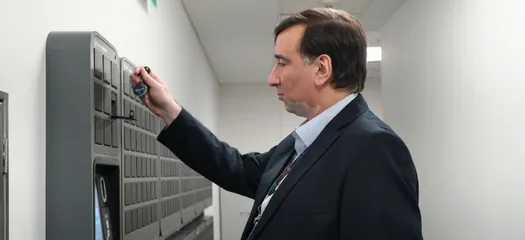
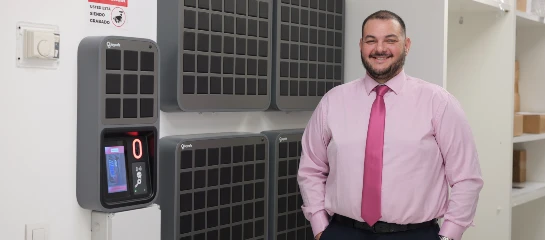
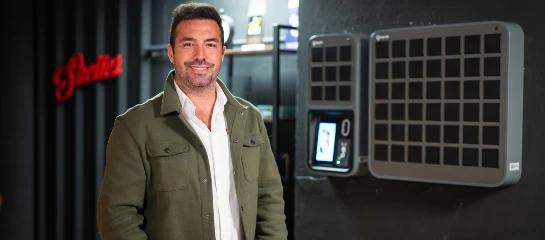
Dat is een beschrijving van een correct geplaatste SmartBox.
Drie implementatiepatronen voor het Madrid-kader
Hospedaje-operaties voor hele gebouwen. Als u een gebouw beheert dat bestemd is voor toeristisch of tertiair gebruik, zowel in Centro als elders, is de natuurlijke positie een eenheid in de entreehal die elke sleutel in het gebouw bevat. Dit is de meest nette regeling die in Spanje beschikbaar is: geen vraag van de comunidad de propietarios, omdat er geen residentiële buren zijn, en de gast verlaat nooit uw pand. Capaciteit begint bij 9 vakjes op een basiseenheid en groeit via serieschakeling van uitbreidingsmodules, zodat een gebouw met dertig eenheden draait op één enkele installatie.
Appartementen op de begane grond en eerste verdieping met onafhankelijke toegang. Waar uw vergunning berust op een privé-straatdeur, hoort het toegangspunt bij die deur. Een aan de muur gemonteerde eenheid binnen de privé-ingang, voorbij de straatdeur maar vóór het appartement, houdt de hele aankomstsequentie binnen uw eigen voetafdruk. Dit is wat de onafhankelijke toegangsregel beoogde te produceren.
Clusterpunten buiten het historische centrum. Exploitanten met meerdere geautoriseerde appartementen in Chamberí, Salamanca, Arganzuela, Tetuán of Retiro geven vaak de voorkeur aan één toegangspunt in een kleine gehuurde ruimte op de begane grond die al hun appartementen bedient. Madrid is goed bereikbaar met de Metro en de afstanden tussen aangrenzende barrios zijn bescheiden, dus een enkel adres met duidelijke instructies werkt. Het vermijdt ook een apart gesprek met de comunidad voor elk gebouw.
De comunidad de propietarios, nu met stemrecht
Decreto 27/2026 maakte uitdrukkelijke instemming van de gemeenschap een vereiste, met een drempel van drievijfde, en het nationale woningkader van Spanje stond gemeenschappen al toe om toeristische activiteiten te beperken door gekwalificeerde meerderheid.
Dit verandert de volgorde van de operaties. Het gesprek met de comunidad is niet langer iets dat u voert nadat u zich heeft vastgelegd. Het is een drempelitem en het gebeurt voordat de technicus uw CIVUT afgeeft.
Als u die vergadering ingaat, is de toegangskwestie een van de weinige gebieden waar u de gemeenschap iets concreets kunt bieden. De meeste bezwaren tegen toeristische appartementen in gebouwen in Madrid gaan over lawaai in de ingang, vreemdelingen op de trap, bagage in de lift en niemand die weet wie er in het gebouw is. Een regeling waarbij gasten nooit de gedeelde ingang betreden, worden geverifieerd voordat een sleutel wordt vrijgegeven en in een logboek verschijnen, is een direct antwoord op alle vier.
Breng een concreet voorstel mee: de exacte positie, hoe het is bevestigd, de afmetingen, hoe het stroom krijgt en aansluit, en een schriftelijke verbintenis voor onderhoud en verwijdering. Vraag wat er waar moet zijn voor de gemeenschap om akkoord te gaan, en leg het antwoord schriftelijk vast.
Identificatie en de documentatieketen
De Spaanse gastrapportageplicht loopt via SES Hospedajes, met details die binnen 24 uur na check-in moeten worden ingediend, en het NRUA-nummer bepaalt of u überhaupt mag adverteren.
Keycafe bevindt zich op het toegangspunt in die keten. In plaats van een sleutel vrij te geven aan wie een code heeft, kan het systeem eerst een fotobewijscontrole vereisen, waardoor de overdracht aan een bevestigd individu wordt gekoppeld. De MS5 unit bevat een camera en legt de interactie vast, en het resulterende record vermeldt de persoon, de sleutel en het moment, en exporteert op verzoek.
Om precies te zijn over de grens: dit dient uw SES Hospedajes-rapport niet in, verkrijgt uw NRUA niet, noch geeft het uw CIVUT af. Het beantwoordt een smallere vraag, namelijk wie fysiek binnenkwam en wanneer, en het produceert documentatie die u kunt overhandigen aan een inspecteur, een verzekeraar of een gemeenschapsvoorzitter die ernaar vraagt.
Praktische opmerkingen
Verbindingen met Airbnb, Guesty, Hostaway en Res:harmonics genereren en verzenden automatisch toegangsgegevens bij bevestiging, met een API beschikbaar voor Spaanse PMS-platforms. Bij de box zelf kunnen gasten het touchscreen gebruiken, een QR scannen, een pincode invoeren, een NFC-referentie tikken of een wallet pass presenteren, en instructies verschijnen in hun eigen taal.
Fysiek neemt het ongeveer evenveel muurruimte in beslag als een ingelijste prent, steekt het vier inch uit, en kan het aan elk type muur worden bevestigd. De IP52-classificatie is van toepassing op een beschutte privé-ingang of een interne lobby, niet op een blootgestelde straatgevel. De zomers in Madrid pleiten sowieso voor een schaduwrijke positie om thermische redenen.
Schoonmaakploegen, onderhoudspersoneel en gebouwpersoneel beschikken elk over individuele referenties met hun eigen tijdvensters, in plaats van een code te delen die onbeperkt circuleert.
Wanneer de regels uw bedrijfsvoering beschrijven
Er is een ongebruikelijke kans in het Madrid-kader, en het is de moeite waard om deze duidelijk te benoemen. De meeste regelgeving vraagt exploitanten om meer werk te doen zonder operationeel voordeel. De onafhankelijke toegangsvereiste van Madrid vraagt om iets dat ook de betere manier is om het bedrijf te runnen: een gecontroleerde, op straatniveau geverifieerde aankomst die de bewoners van het gebouw niet betrekt.
Met ongeveer negen op de tien toeristische appartementen in de stad die buiten het vergunningskader opereren, staat een groot aantal Madrid-exploitanten op het punt beslissingen te nemen over of en hoe ze moeten legaliseren. Het toegangsontwerp is een van de weinige onderdelen van die beslissing dat zichzelf terugbetaalt.
Configureer een SmartBox implementatie of praat met ons team over het plaatsen van een toegangspunt voor een eigendom in Madrid.
Regelgevende details in dit artikel weerspiegelen openbaar beschikbare informatie ten tijde van schrijven en zijn uitsluitend bedoeld als algemene richtlijn. Gemeentelijke, Comunidad de Madrid en Spaanse nationale regels voor toeristische accommodatie zijn herhaaldelijk gewijzigd en blijven onderhevig aan juridische betwisting. Bevestig de huidige vereisten met de Ayuntamiento de Madrid, de Comunidad de Madrid en gekwalificeerde Spaanse adviseurs voordat u operationele beslissingen neemt.