
Most dealership customer reviews do not turn on a dramatic blowout at the finance desk. They usually turn on five everyday handoffs between walking through the door and driving off the lot, where a customer either feels respected or left waiting without answers. In Cox Automotive’s Drivers of Car Shopping Satisfaction study, dealerships saw 2x higher efficiency and 2x higher profitability than peers when they provided knowledgeable support, transparency, clear information, and customer control. Those same four habits show up in CSI scores and public star ratings across the United States and Canada.
Why Small Moments Decide Dealership Customer Reviews
Customers judge a dealership on how smoothly the whole visit flows. Because many set aside a large part of their day for a visit, even short delays feel longer than they are, and a few minutes spent watching a salesperson search for a key is often what they remember when writing a review.
These moments are rarely about staff who don't care. They usually point to a process gap, such as a handoff no one owns or a task that depends on someone being in the right place at the right time, and process gaps can be fixed. The table below outlines five common moments, what typically goes wrong, and a first fix to try this week.
Customer Moment | What Usually Goes Wrong | First Fix to Try This Week |
|---|---|---|
First greeting | Unattended entrance or repeated online forms | Assign someone to greet every arrival within a minute, and share online lead details with the team before the customer arrives |
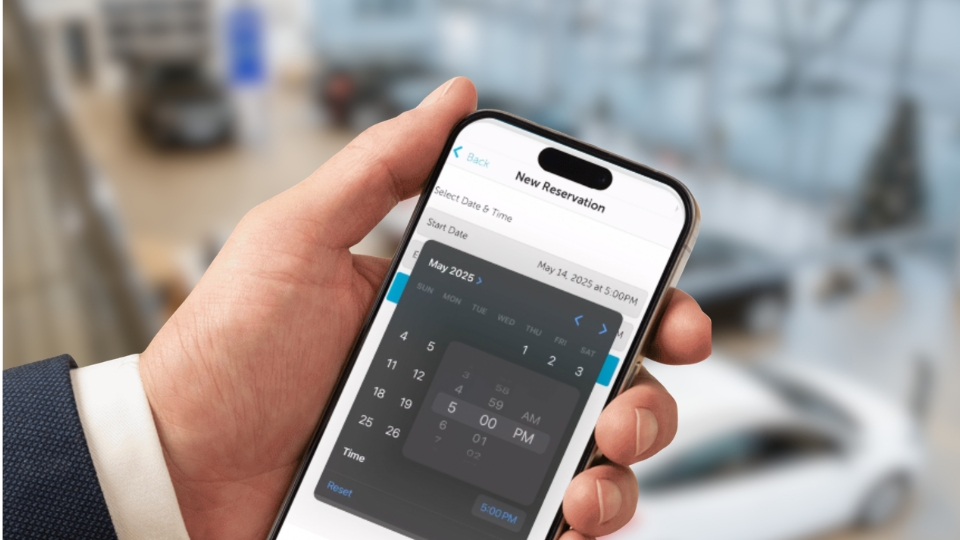
Test drive wait | Staff search key boards or the back lot to find the right key | Have the car and key ready before booked test drives, and track where every key is |
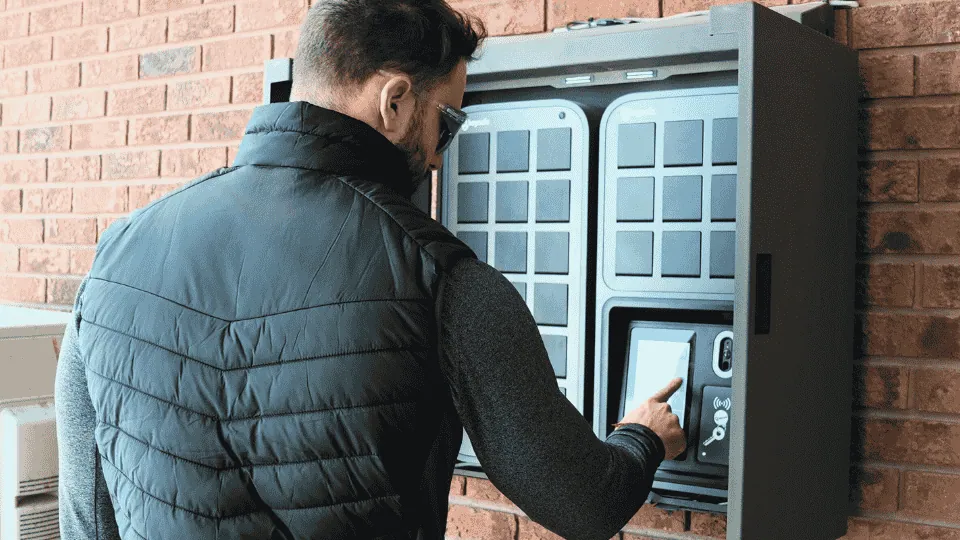
Service drop-off | Everyone arrives at the same time in the morning, and drop-off isn't possible once the desk closes | Spread out appointment times and offer a self-serve key drop-off |
Updates during service | Customers hear nothing until late in the day | Send two planned text updates, including photos or videos of any recommended work |
Vehicle pickup | Customers wait in line to pay, or can't come before closing time | Let customers pay by text link and pick up their keys after hours |
1. The First Greeting: Acknowledging Customers on Arrival
First impressions set the tone for the visit. Many buyers start the process online, and they expect the dealership to pick up where they left off. Being asked to repeat information signals that the dealership's systems aren't connected.
In busy stores, customers often wait at the front desk while staff are occupied elsewhere, or start an appointment with paperwork they already completed online. Both are coverage and information problems, not effort problems.
Set a clear response standard. Define how quickly visitors should be acknowledged and who is responsible, with backup coverage for peak times like Saturdays and lunch hours.
Share customer details before the visit. Use your CRM or appointment system to give the assigned team member the customer's name and vehicle of interest ahead of time, along with any online trade-in or financing details.
2. The Test Drive Wait: Stopping Key and Lot Searches
Waiting for a test drive is where a lot of buyer interest fades. The customer came in ready to drive, and every minute spent sitting at a desk gives them more time to second-guess the visit. Delays like this often show up in reviews as "they wasted my time," even when the rest of the experience went well.
Here's how it usually happens. A salesperson confirms the SUV is on the lot, walks to the hooks on the wall, and finds the spot empty. Calls go out to detailing, reconditioning, and other salespeople while a porter checks the back lot. By the time the key turns up, twenty minutes have passed and the customer hasn't even sat in the car.
Get booked vehicles ready ahead of time. Build a 30-minute pre-appointment staging check into your morning routine, supported by organized test drive key reservations and consistent vehicle inventory tracking, so booked vehicles are parked up front and ready before arrival.
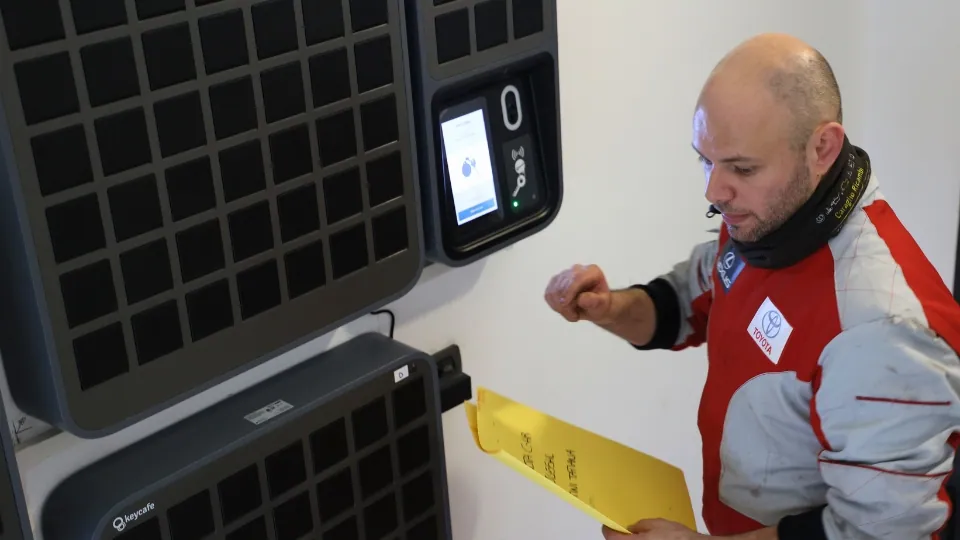
Move from shared drawers and paper tags to smart key management. Systems like Keycafe store each key in its own secure locker and log every handoff automatically, so staff at dealerships such as Lange & Fetter Motors can see in seconds who has a key.
3. Service Drop-Off: Smoothing Morning Lines and Rigid Hours
Drop-off is often the most rushed part of a service visit. When the lane backs up at opening, customers feel hurried before anyone has looked at their car, and those with full workdays resent planning around the service desk's hours.
Picture six customers arriving at 7:55 a.m. for 8:00 a.m. appointments, all waiting behind one complicated warranty write-up. Or a customer who wants to drop off at 6:30 p.m. and has no option besides an unmonitored key slot.
Spread out morning arrivals. Book appointments in 15-minute blocks and keep quick maintenance visits separate from longer diagnostic conversations. Pairing smarter service scheduling with organized key handoffs keeps the lane moving from the first appointment of the day.
Offer secure after-hours drop-off. A smart key system lets customers leave their key with a code and get instant confirmation, while advisors start the day with a time-stamped record of every drop-off.
4. Updates During Service: Keeping Customers Informed
Most customers understand that service takes time. What drives frustration is a lack of communication during the visit, which leaves them unsure whether work on their vehicle has even started.
Consider a customer who drops off their vehicle at 8:00 a.m., calls twice without reaching anyone, and learns at 4:45 p.m. that a part won't arrive until the next day. Even when a delay is unavoidable, late notice leaves the customer with little time to arrange transportation.
Set two scheduled updates per visit. Contact the customer after the initial inspection and again by early afternoon, including photos or videos of any recommended work.
Automate routine status messages. Use automated texts for standard milestones, such as when the vehicle enters the bay or is ready for pickup, so advisors can reserve personal calls for approvals and unexpected delays.
5. Vehicle Pickup: Cutting Cashier Waits and Extending Hours
Pickup is the last impression before a customer receives a satisfaction survey. In J.D. Power's 2026 U.S. Customer Service Index (CSI) Study, it ranks as the second most important factor in service satisfaction, behind only the quality of the work.
When pickup goes wrong, a driver hurries in before closing, waits ten minutes while staff track down the closed repair order and keys, and steps into an unwashed car. Worse, someone who cannot leave work by 5:30 p.m. loses an extra morning just to retrieve their vehicle.
Speed up checkout. Send the invoice and a mobile payment link as soon as the work is done, and return the vehicle cleaner than it arrived.
Offer after-hours key pickup. A smart key system lets customers who have paid collect their keys after the service desk closes.
Small Fixes, Better Reviews
Better reviews rarely require a complete overhaul. Most of the frustration customers describe comes from a few predictable moments: an arrival no one acknowledges, a test drive delayed by a missing key, a crowded drop-off lane, a day without updates, and a pickup that runs past closing time. Each one is a process gap, and each one can be closed with a clear owner and the right tools.
Keys are part of more of these moments than most managers expect. They move between sales, service, detailing, and customers all day, and when no one knows where a key is, test drives stall, drop-offs depend on desk hours, and pickups wait on a search. Tracking every key and handoff gives your team the visibility to keep each visit moving and gives customers more flexibility around their own schedules.
A practical way to start is to review last month's low-star reviews, identify the moment that causes the most friction, and test one fix this week. If lost keys or limited pickup hours keep coming up, see how dealerships are automating key handoffs.