
Amsterdamo savivaldybė taiko algoritmą jūsų adresui.
Tai ne kalbos figūra. Miestas naudoja rizikos vertinimo sistemą, kuri kryžmiškai tikrina nuomos skelbimus su gyventojų registru ir pastatų registru, siekdama įvertinti tikimybę, kad tam tikras adresas yra nuomojamas neteisėtai. Tai viešai dokumentuota Nyderlandų vyriausybės Algoritmo registre. Įvertinti adresai teikiami prioritetu specialiai vykdymo komandai „Team Vakantieverhuur“, kuri atlieka fizines patikras.
Dabar apsvarstykite, pagal ką esate vertinami. Amsterdame atostogų nuomai reikalingas metinis leidimas, ribojamas naktų skaičius per kalendorinius metus, leidžiama ne daugiau kaip keturi žmonės vienu metu, įskaitant vaikus, ir apie kiekvieną nuomos laikotarpį privaloma iš anksto pranešti savivaldybei. Administracinės baudos siekė nuo kelių tūkstančių iki daugiau nei dvidešimt tūkstančių eurų.
Ir našta tenka jums. Nyderlandų teismai nusprendė, kad paties nuomotojo ekrano nuotraukos nėra įrodymai.
Šis derinys – mašina varoma detekcija plius įrodymų našta, kurios negalite patenkinti telefono galerija – paverčia Amsterdamą rinka šioje serijoje, kur dokumentacija nėra geros veiklos privalumas. Tai yra pati veikla.
Taisyklės, pagal kurias esate vertinami
Čia smulkmenos svarbesnės nei įprasta, nes algoritmas tikrina būtent smulkmenas.
Naktų limitas. Amsterdamas taikė vieną griežčiausių metinių apribojimų Europoje pagrindinio būsto nuomai. Nuo 2026 m. balandžio 1 d. miestas nusprendė sumažinti leidžiamų naktų skaičių centriniuose rajonuose, įskaitant Centrum ir De Pijp, o tai reiškia, kad operatoriai šiose srityse, pasiekę žemesnę ribą metų pradžioje, negalės nuomoti būsto likusį laiką. Prieš priimdami bet kokį užsakymą, pasitvirtinkite dabartinį skaičių savo konkrečiam rajonui savivaldybėje, nes tai keitėsi ir gali vėl pasikeisti.
Keturi žmonės, jokių išimčių. Apgyvendinimo limitas apima visus, įskaitant vaikus. Dviejų suaugusiųjų ir trijų vaikų šeima viršija šį limitą. Tokios smulkmenos veda prie baudų.
Pranešimas prieš kiekvieną apsistojimą. Apie kiekvieną nuomos laikotarpį iš anksto pranešate savivaldybei, naudodami savo leidimo numerį ir DigiD. Nepranešimas yra atskiras pažeidimas, nepriklausomai nuo to, ar neviršijote naktų limito.
Metinis leidimas. Galioja vienerius kalendorinius metus ir turi būti atnaujinamas kasmet.
Pastato taisyklės. VvE, Nyderlandų savininkų asociacija, gali uždrausti arba apriboti atostogų nuomą savo taisyklėmis, nepriklausomai nuo to, ką leidžia savivaldybė.
Mokesčiai. Nyderlandų PVM trumpalaikio apgyvendinimo paslaugoms nuo 2026 m. sausio mėn. buvo perkeltas į aukštesnį tarifą, be miesto turizmo mokesčio.
Kiekvienas iš jų yra atskiras, patikrinamas faktas. Naktys skaičiuojamos. Apgyvendinimas skaičiuojamas. Pranešimai arba egzistuoja sistemoje, arba ne. Tai yra režimas, sukurtas būti audituojamu programine įranga, ir jis toks yra.
Ką iš tiesų galite įrodyti
Įsivaizduokite save daugumos Amsterdamo nuomotojų padėtyje. Gaunate laišką, kuriame teigiama apie pažeidimą konkrečiomis datomis. Manote, kad viską atlikote pagal taisykles. Ką galite pateikti?
Jūsų užsakymų platformos įrašai rodo rezervaciją tam tikram svečių skaičiui. Tai yra pareiškimas apie tai, kas buvo užsakyta, o ne apie tai, kas įvyko. Jei į užsakymą keturiems atvyko šeši žmonės, platformos įraše bus nurodyti keturi.
Jūsų pranešimai savivaldybei rodo, ką deklaravote. Taip pat ketinimo pareiškimas.
Jūsų paties nuotraukos, žinutės ir kalendoriaus įrašai buvo pripažinti neįrodančiais faktų.
Trūksta nepriklausomo, tuo pačiu metu sukurto įrašo apie tai, kas fiziškai įvyko nuosavybėje, sugeneruoto sistemos, kuri neturi jokio intereso dėl rezultato.
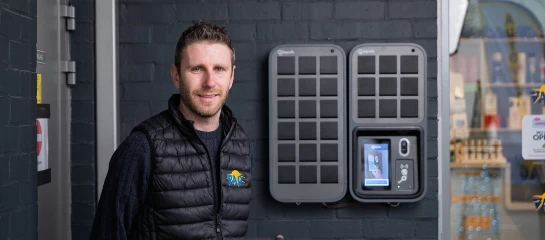
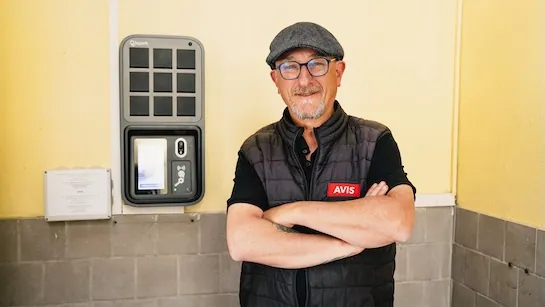
Prieigos sistema sukuria būtent tai. Kai paimamas raktas, įrašas fiksuoja, koks raktas, koks asmuo ir kada tai įvyko. Tas pats ir grąžinant. Kadangi prieiga suteikiama atskiriems asmenims, o ne kaip bendras kodas, įrašas atskiria vieną svečią, paimantį raktą, nuo keturių skirtingų žmonių, paimančių keturis raktus.
Tai suteikia jums tris dalykus, apie kuriuos Amsterdamas konkrečiai klausia:
Apgyvendinimo įrodymai. Kiek skirtingų asmenų gavo ir naudojo prieigą konkrečiam apsistojimui.
Datos įrodymai. Tiksliai, kuriomis naktimis nuosavybėje iš tiesų apsistojo svečiai, nepriklausomai nuo to, ką rodo platformos kalendorius, o tai palaiko jūsų pačių naktų skaičių, atsižvelgiant į limitą.
Trečiosios šalies kilmė. Įrašas yra generuojamas ir saugomas sistemos, kurios jūs nekuriate, pažymėtas laiku įvykio momentu ir gali būti eksportuojamas. Tai iš esmės skiriasi nuo vėliau padarytos ekrano nuotraukos kaip įrodymo kategorija.
Norėdami aiškiai apibrėžti apribojimą: tai nepadeda jums pateikti pranešimų, gauti leidimo ar skaičiuoti naktų reguliavimo tikslais. Tai yra jūsų pareigos ir turėtumėte jas tinkamai vykdyti. Tai, ką ši sistema daro, yra suteikti jums kažką, ką galite pateikti, kai jūsų įvykių versija yra ginčijama.
Kanalų namai, laiptai ir kur tinka įranga
Amsterdamo fizinis pastatų fondas yra savitas apribojimas.
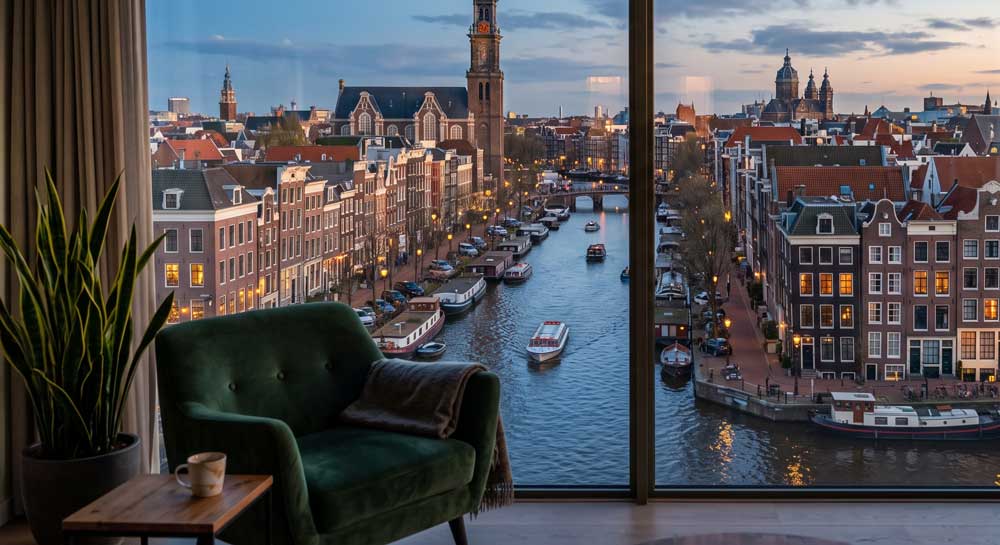
Kanalų zonos namai yra siauri, gilūs, aukšti ir seni. Laiptinės senesniuose pastatuose yra garsiai stačios, dažnai labiau panašios į kopėčias nei į laiptus. Daugelis pastatų pasvirę. Apsaugoto istorinio centro fasadai turi paveldo apribojimus, kas gali būti pritvirtinta, o baldų kėlimas pro langą yra įprasta Amsterdamo veikla, o ne neįprasta.
Realistinės vietos:
Viduje, prie lauko durų. Įėjimo salė arba laiptų apačia, praėjus pro gatvės duris. Privati, apsaugota ir nekelianti paveldo fasado klausimų. Reikalingas VvE sutikimas, jei salė bendra.
Pirmame aukšte esančios komercinės patalpos. Operatoriams, turintiems kelis nekilnojamojo turto objektus Grachtengordel, Jordaan ar De Pijp rajonuose, nedidelė išnuomota erdvė suteikia gatvės lygio adresą, prieinamą bet kuriuo metu, ir pašalina VvE iš lygties. Amsterdamo centras yra nedidelis, ir visi važinėja dviračiais arba vaikšto, todėl sankaupos taškas tikrai aptarnauja plačią zoną.
Naujesni statiniai. Pastatai IJburg, Zuidas ir rytiniuose dokuose turi vestibiulius ir aptarnavimo zonas su elektra ir ryšiu, be jokių paveldo komplikacijų.
Įrenginys tvirtinamas prie sienos, išsikiša apie keturis colius ir turi IP52 apsaugos klasę, kuri tinka vidaus ir apsaugotoms pozicijoms. Mieste, kuriame vyrauja Amsterdamo oro sąlygos ir pastatų fondas, patalpose yra numatytoji vieta.
Pokalbis su VvE
Kai įėjimo salė yra bendra nuosavybė, jums reikia savininkų asociacijos palaikymo, o Amsterdamo VvE paprastai tapo mažiau kantrūs su atostogų nuoma, o ne labiau.
Veiksmingas argumentas yra susijęs su kontrole. VvE nepatinka nepažįstami žmonės, atvykstantys bet kuriuo metu su kodu iš el. pašto, raktai paliekami po kilimėliais, dėžės, atsirandančios ant turėklų prie istorinio fasado, ir jokios galimybės nustatyti, kas buvo pastate. Sistema, kurioje prieiga suteikiama konkretiems asmenims, registruojama ir gali būti atšaukiama, atsako į kiekvieną iš šių klausimų, o asociacijai gali būti suteikta galimybė matyti įrašus.
Pateikite konkrečius duomenis raštu: tikslią vietą, tvirtinimo metodą, matmenis, maitinimą ir tinklą, priežiūros atsakomybę ir kas nutinka pašalinus įrenginį.
Būkite operatorius su įrašu
Amsterdamas sukūrė vieną labiausiai duomenimis pagrįstų vykdymo režimų Europoje. Jis algoritmiškai vertina adresus, atlieka fizines patikras, reikalauja deklaracijos prieš kiekvieną apsistojimą ir nepriima jūsų ekrano nuotraukų.
Atsakas nėra tikėtis, kad algoritmas ieškos kitur. Tai yra vykdyti veiklą, kuri generuoja savo nepriklausomą, laiku pažymėtą, eksportuojamą įrašą apie tai, kas ir kada pateko į jūsų nuosavybę, kad atvykus laiškui jūs pateiktumėte įrašą, o ne konstruotumėte istoriją.
Konfigūruokite SmartBox diegimą arba pasikalbėkite su mūsų komanda dėl įrengimo Amsterdame.
Šiame straipsnyje pateikta reguliavimo informacija atspindi viešai prieinamą informaciją rašymo metu ir yra skirta tik bendrosioms gairėms. Amsterdamo naktų limitai, leidimų reikalavimai, pranešimo prievolės ir baudų lygiai nuolat keitėsi ir toliau keičiasi pagal rajonus. Prieš priimdami veiklos sprendimus, pasitvirtinkite dabartinius reikalavimus su Gemeente Amsterdam, savo VvE ir kvalifikuotais Nyderlandų konsultantais.