
Kiekviena trumpalaikė viso nekilnojamojo turto nuoma Didžiajame Londone spaudžiama laiko.
Pagal 2015 m. Dereguliavimo aktą, kuris pakeitė 1973 m. Didžiojo Londono tarybos (bendrųjų galių) aktą, gyvenamasis nekilnojamasis turtas 32 rajonuose ir Londono Sityje gali būti nuomojamas kaip laikina nakvynė ne ilgiau kaip 90 naktų per kalendorinius metus, be statybos leidimo paskirties keitimui. Skaitiklis nustatomas iš naujo sausio 1 d. Tai taikoma kiekvienam objektui, ne kiekvienai platformai, o Airbnb automatiškai blokuoja skelbimus, kai pasiekiama viršutinė riba.
Viršijus šią ribą, reikia kreiptis į savo rajoną dėl paskirties keitimo, o centrinėje Londono dalyje tokių paraiškų patvirtinimo rodikliai yra prasti. Vestminsteris, Kamdenas ir Kensingtonas ir Chelsea atmeta didžiąją daugumą. Tarybos žymiai dažniau išduoda priverstinio vykdymo pranešimą, nei suteikia atgalinį sutikimą, o planavimo baudos už vieną pažeidimą gali siekti 20 000 svarų sterlingų.
Taigi daugumai Londono operatorių praktinė realybė nėra atitikties klausimas. Tai yra kalendorius. Dalis metų vykdote vieną verslą, o likusią dalį – kitą, tame pačiame bute, su tais pačiais raktais.
Būtent šis perjungimas ir paverčia Londono nekilnojamojo turto valdymą brangiu.
Du verslai, vienas turtas
90 naktų limitas taikomas tik viso nekilnojamojo turto nuomai, trunkančiai trumpiau nei 90 nuoseklių naktų. Lieka atviri du aplinkkelio keliai, ir abu yra plačiai naudojami.
Apgyvendinimas su šeimininkais. Jei gyvenate objekte, o svečias nuomoja kambarį, limitas netaikomas. Tai iš tiesų skirtinga veikla su nuolatiniu bendru apgyvendinimu.
Ilgalaikė nuoma. Viena nuoma, trunkanti 90 ar daugiau nuoseklių naktų tam pačiam nuomininkui, visiškai neatitinka trumpalaikės nuomos apibrėžimo. Tai yra kelias, kuriuo eina dauguma profesionalių operatorių, ir jis sukuria hibridinius metus: trumpalaikė nuoma piko sezono metu, kol skaitiklis senka, o po to pereinama prie vidutinės trukmės arba ilgesnės nuomos likusiam laikotarpiui.
Abi šių metų pusės operaciniu požiūriu beveik neturi nieko bendro.
Trumpalaikės nuomos režimu tvarkote dažnus atvykimus, didelę raktų apyvartą, patalpų valymą po kiekvienos viešnagės, svečius, kuriems reikia instrukcijų keliomis kalbomis, ir atvykstančius į Hytrou ir Gatviko oro uostus tokiu metu, kuriuo nė vienas darbuotojas nenori dirbti.
Ilgalaikės nuomos režimu turite vieną nuomininką mėnesiams, bet gaunate planinę priežiūrą, periodines apžiūras, dujų saugos ir elektros patikrinimus, nuomos agentus, organizuojančius apžiūras prieš kitą nuomą, o nuomojamuose blokuose – valdymo agentus ir jų rangovus, ateinančius ir išeinančius.
Dauguma operatorių tai sprendžia sujungdami dvi skirtingas sistemas: raktų dėžutę ir WhatsApp grupę trumpalaikės nuomos mėnesiams, bei fizinių raktų rinkinį, perduodamą agentui likusiam laikotarpiui. Du kartus per metus raktai keičia savininkus, kodai atstatomi, ir kažkas dingsta.
Sistemai nereikia keistis, kai keičiasi modelis
Keycafe priskiria prieigą pagal asmenį ir laiko intervalą, o ne pagal užsakymą, o tai yra būtent tai, ko reikia hibridiniams metams.
Svečias, liepą apsistojęs keturioms naktims, turi prieigą keturioms naktims. Nuomininkas, nuomojantis penkis mėnesius nuo spalio, turi prieigą penkiems mėnesiams. Valytoja, atliekanti patalpų paruošimą, turi pasikartojantį šeštadienio ryto laiką visą vasarą, o po to nustoja. Dujų saugos inžinierius gauna dviejų valandų langą lapkričio mėnesį. Nuomos agentas gauna ketvirtadienio popietes vasario mėnesį, kol vykdo apžiūras.
Nė vienam iš jų nereikia skirtingos sistemos, skirtingos dėžutės ar skirtingo raktų komplekto. Kai objektas spalio 1 d. pakeičia modelius, keičiate, kas turi leidimus. Infrastruktūra nepajuda.
Tai svarbiau Londone, nei rodo aprašymas, nes perjungimas nėra kasmetinis ir tvarkingas visame portfelyje. Jei valdote 30 butų, jie pasiekia savo 90 naktų ribą skirtingais metų laikais, priklausomai nuo paklausos, kainodaros ir to, kaip aktyviai kiekvienas iš jų buvo užsakytas. Bet kuriuo momentu valdote kai kuriuos vienetus trumpalaikės, o kai kuriuos – ilgalaikės nuomos režimu, ir mišri būsena yra nuolatinė.
Rajonas po rajono ir nuomos teisės sluoksnis
Kita struktūrinė Londono ypatybė yra ta, kad tai nėra viena jurisdikcija. Tai yra 33 planavimo institucijos, turinčios iš esmės skirtingą norą vykdyti įstatymus.
Vestminsteris, Kamdenas ir Tauer Hamletsas aktyviai stebi skelbimus pagrindinėse platformose, naudodami trečiųjų šalių duomenų paslaugas. Kai kurie rajonai siekė 4 straipsnio nurodymų, kad panaikintų leidžiamas plėtros teises konkrečiose srityse. Išoriniai rajonai paprastai yra pragmatiškesni dėl paskirties keitimo paraiškų, nors sprendimo laukimas nuo aštuonių iki trylikos savaičių yra realus bet kur.
Greta planavimo yra antrasis sluoksnis, kuris paveikia žmones, maniusius, kad planavimas buvo vienintelė problema. Dauguma Londono butų yra nuomojami su nuomos teise (leasehold), o didelė dalis ilgalaikių nuomos sutarčių visiškai draudžia trumpalaikę nuomą. Šis apribojimas veikia nepriklausomai nuo planavimo įstatymų ir nepriklausomai nuo bet kokios registracijos. Taip pat ir tipinė gyvenamojo būsto paskolos sąlyga. Operatorius gali visiškai atitikti 90 naktų reikalavimą ir vis tiek pažeisti savo nuomos sutartį.
Raktų valdymui tai turi praktinę pasekmę: bet kas, ką įdiegiate bendroje nuomojamo bloko dalyje, reikalauja savininko arba valdymo agento sutikimo. Tai yra atskiras pokalbis nuo rajono ir būtent jis nustato, kur fiziškai gali būti įdėta įranga.
Nacionalinis vaizdas taip pat keičiasi. Pagal 2023 m. Lyginimo ir atstatymo aktą numatyta privaloma trumpalaikės nuomos registracijos schema Anglijoje, kartu su siūloma C5 planavimo paskirties klase, skirta tik trumpalaikei nuomai. Įgyvendinimas buvo etapinis, o detalės keitėsi daugiau nei vieną kartą, todėl GOV.UK ir savo rajoną laikykite autoritetu, o ne bet kokiu apibendrinimu, įskaitant šį.
Kur įranga diegiama Londono portfelyje
Londonas yra tankus ir tinkamas pėstiesiems, o transporto tinklas tikrai geras, o tai keičia diegimo matematiką, palyginti su išplėstais miestais. Jums nereikia raktų punkto prie kiekvienų durų. Jums reikia vieno, esančio patogiu atstumu pėsčiomis arba per porą metro stotelių.
Pastato viduje, blokams. Jei valdote kelis butus tame pačiame pastate arba esate valdymo agentas, atsakingas už bloką, įrengimas vestibiulyje, pašto kambaryje arba pirmojo aukšto aptarnavimo zonoje apima viską vienoje vietoje. Tai yra švariausias sprendimas ir tas, kuriam reikia savininko sutikimo.
Sankaupos taškas, išsibarsčiusiems butams. Operatoriai, turintys butus, išsibarsčiusius po visą rajoną, dažnai įrengia įrangą savo biure arba mažoje nuomojamoje patalpoje ir prašo svečių, valytojų bei rangovų pasiimti raktus iš ten. 1 ir 2 zonose dešimties minučių pasivaikščiojimas apima didelę teritoriją.
Kiekvienam objektui, namams ir didesnėms individualioms nuomoms. Įrenginys, sumontuotas verandoje, šoniniame įėjime ar pagalbinėje zonoje, tiesiogiai aptarnauja vieną didelės vertės objektą.
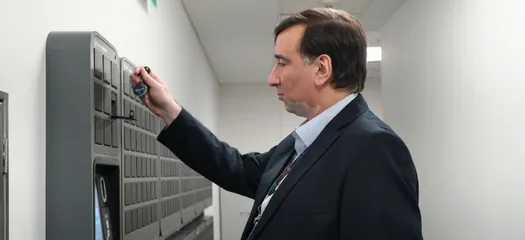
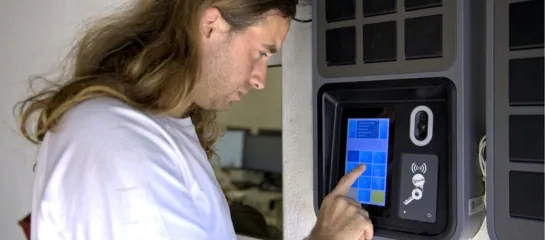
Pats įrenginys yra maždaug paveikslo rėmo dydžio – 11,4 colio pločio ir 4 colių gylio, tvirtinamas prie bet kokio tipo sienos ir turi IP52 atsparumo oro sąlygoms reitingą, tinkantį apsaugotoms lauko pozicijoms. Atsižvelgiant į Londono orus, „apsaugotas“ yra esminis žodis. Wi-Fi, Ethernet ir pasirinktinis korinio ryšio ryšys užtikrina jungtį, kurią verta planuoti rūsiuose ir storasieniuose Viktorijos laikų konversiniuose pastatuose.
Talpa prasideda nuo 9 raktų dėžučių baziniame įrenginyje ir didėja per grandininės jungties išplėtimo modulius, todėl sankaupos taškas, pradėjęs veikti su keliais butais, gali išsiplėsti iki šimtų raktų be antro įrenginio montavimo.
Įrašas ir kam jis skirtas
Prieigos žurnalai neįrodo, kad apsistojote per 90 naktų. Naktų skaičiavimas yra užsakymų įrašų fiksavimas, ir jūs turėtumėte juos tinkamai saugoti, nepaisant to, ką jums sako bet kokia prieigos sistema.
Ką žurnalas pateikia, tai fizinės prieigos įrodymai, o Londone tai nuolat naudojama. Ginčai dėl užstato pagal nuomos užstato schemą. Draudimo išmokos. Valdymo agento užklausos apie tai, kas buvo pastate. Rangovų žalos priskyrimas. Kaimynų (leaseholderių) skundai dėl nepažįstamų žmonių bloke, kas centriniuose Londono blokuose dažnai yra pirmtakas savininkui susidomėti, ką darote su butu.
Galimybė pateikti pavadintą, laiku pažymėtą, eksportuojamą įrašą daugumą šių pokalbių paverčia trumpais.
Kalendoriaus valdymas, o ne reagavimas į jį
90 naktų limitas niekur nedings, o rajonai vis geriau pastebi pažeidimus, o ne blogiau. Operatoriai, kurie gerai tvarkosi Londone, nėra tie, kurie rado gudrų būdą, kaip apeiti taisyklę. Jie yra tie, kurie sukūrė operaciją, kuri sklandžiai keičia režimus du kartus per metus, trisdešimt kartų, niekam nereikia važiuoti per miestą, kad perduotų raktų komplektą.
Prieiga yra ta dalis, kurią galite padaryti nematomą.
Konfigūruokite SmartBox diegimą arba susisiekite su mūsų komanda dėl įrengimo Londone.
Reguliavimo detalės šiame straipsnyje atspindi viešai prieinamą informaciją rašymo metu ir pateikiamos tik bendrosioms rekomendacijoms. Planavimo taisyklės, rajonų vykdymo praktika ir nacionalinė trumpalaikės nuomos registracijos sistema Anglijoje aktyviai keičiasi. Prieš priimdami veiklos sprendimus, patvirtinkite dabartinius reikalavimus su GOV.UK, savo rajono taryba, savo savininku ir kvalifikuotais profesionaliais patarėjais.