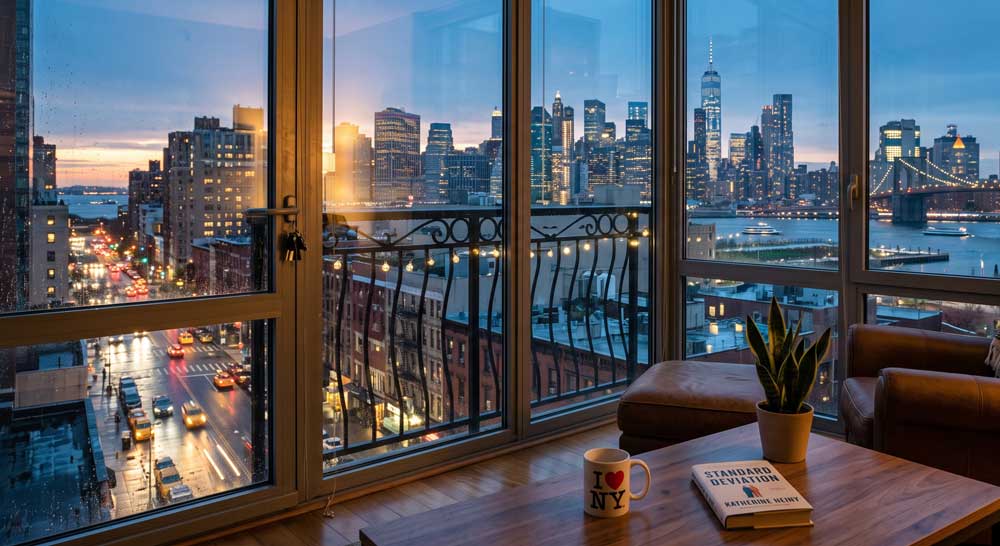

Yra 23:40 antradienio vakaras, vienoje šalutinėje Rytų kaimelio gatvelėje. Nuomininkas stovi prie penkiaaukščio namo be lifto, laikydamas telefoną. 4R buto skambutis neveikia, niekada neveikė, o kaimynai nustojo į jį atsakinėti. Prižiūrėtojas išėjo šeštą ir gyvena Queens. Raktas yra raktinėje dėžutėje, kurią praėjusį mėnesį kažkas iš pastato nukirto nuo tvoros, nes jam nusibodo į ją žiūrėti.
Daugelyje Amerikos miestų raktų problema yra atstumo problema. Sėdate į automobilį ir ją išsprendžiate. Niujorke galite stovėti vos aštuonių pėdų atstumu nuo rakto ir visiškai negalėti jo pasiekti. Atstumas yra vertikalus ir matuojamas užrakintomis durimis tarp šaligatvio ir buto.
Tai yra apribojimas, kuris formuoja prieigą prie nekilnojamojo turto šiame mieste, ir jis išliko po visų reguliavimo pakeitimų per pastaruosius trejus metus.
Ką paliko Vietinis įstatymas 18 (Local Law 18)
Bet koks sąžiningas straipsnis apie nuomą Niujorke turi prasidėti nuo to, ką įstatymas iš tikrųjų dabar leidžia.
Vietinis įstatymas 18 (Local Law 18), trumpalaikės nuomos registracijos įstatymas, įsigaliojo 2023 m. rugsėjo mėnesį. Savininkai, nuomojantys trumpiau nei 30 dienų, privalo registruotis Merijos specialiųjų vykdymo tarnybos biure, užsakymų platformos privalo patikrinti tą registraciją prieš apdorodamos rezervaciją, o standartai yra griežti: nuolatinis gyventojas turi būti namuose ir dalytis namais, ne daugiau kaip du mokantys svečiai vienu metu, o vidaus durys negali būti sukonfigūruotos taip, kad užrakintų svečius nuo namų ūkio zonų. Viso buto nuoma trumpiau nei 30 dienų, praktiškai, yra negalima A klasės pastatuose.
Rinka atitinkamai reagavo. 2024 m. pradžios ataskaitose nurodoma, kad trumpalaikių nuomos skelbimų skaičius sumažėjo iki maždaug 2 300, nuo maždaug 22 000 prieš įstatymo įsigaliojimą. Ilgesnė nei 30 iš eilės naktų trukmės nuoma visiškai nepatenka į įstatymo reguliavimą, ir būtent ten persikėlė didžioji dalis profesionalių operatorių rinkos.
Taigi, žmonės, valdantys gyvenamųjų patalpų raktus dideliu mastu Niujorke šiandien, dažniausiai nevykdo kasnaktinių keitimų. Jie yra:
- Vidutinės trukmės ir įmonių apgyvendinimo operatoriai, nuomojantys įrengtus būstus 30 ir daugiau naktų
- Nekilnojamojo turto valdytojai ir savininkai, valdantys daugiabučius pastatus
- Kooperatyvų ir daugiabučių namų valdybos bei juos aptarnaujantys valdytojai
- Pastatų priežiūros komandos, tvarkančios tiekėjus, rangovus ir prieigą prie butų
- Licencijuotos B klasės ir laikinai leidžiamojo naudojimo nuosavybės
Kiekvienas iš jų susiduria su ta pačia siena prie pagrindinių durų.
Problema yra pastatas, o ne miestas
Niujorko geografija veikia jūsų naudai. Manhatanas žemiau 96-osios gatvės yra lengvai praeinamas iš vieno galo į kitą, o dauguma portfelių glaudžiai telkiasi viename ar dviejuose rajonuose. Niekas nepraleidžia dviejų valandų važinėdamas per miestą raktų paieškoms, kaip tai darytų išsiplėtusiame mieste.
Tai, kas jums kainuoja, yra užrakintų durų sluoksnis ir žmonės, kurie šiuo metu jas tarpininkauja.
Namo durininkų pastatai. Registratūra laiko raktus neoficialiai, beveik visada be rašytinės politikos, ir pastatas prisiima atsakomybę. Paklauskite daugumos valdančiųjų agentų, ar registratūra yra įgaliota išduoti buto raktą valytojui, ir sulauksite ilgos pauzės. Darbuotojai keičiasi, pamainos keičiasi, o registras, jei toks yra, yra popierinis užrašų knygelė.
Namo be lifto pastatai. Iš viso nėra darbuotojų. Prižiūrėtojas tvarko viską, dažniausiai gyvena už objekto ribų ir yra nepasiekiamas po darbo valandų. Prieiga tampa tvarkaraščio derinimu pagal vieno asmens kalendorių.
Kooperatyvai ir daugiabučiai. Valdyba nustato vidaus taisykles, kas gali įeiti, kada rangovai gali dirbti ir kas gali būti įrengta bendrose erdvėse. Ši valdžia yra reali ir ja naudojamasi.
Brooklyno ir Queens rudieji namai bei maži daugiabučiai. Dažnai nėra darbuotojų, dažnai valdomi savininkų, dažnai trys ar keturi butai su bendru įėjimu ir jokios kontroliuojamos vidaus erdvės.
Bendra gija: raktas egzistuoja, jis yra netoliese, o jo perdavimas į tinkamas rankas priklauso nuo to, ar asmuo yra budrus, dirba pamainoje ir yra pasirengęs prisiimti atsakomybę.
Įdiegimas kiekviename pastate, o ne kiekviename rajone
Kadangi Niujorko problema yra vertikali, o ne horizontali, diegimo modelis apverčia tai, kas veikia išsibarsčiusiuose miestuose. Jūs nenorite vienos centrinės vietos, aptarnaujančios platų spindulį. Jums reikia rakto prie durų, kurias jis atidaro.
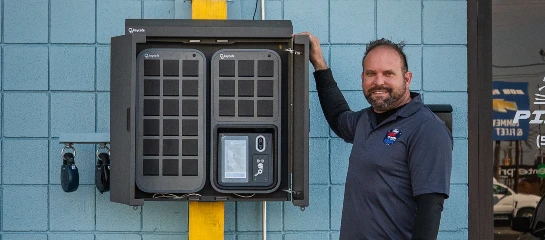
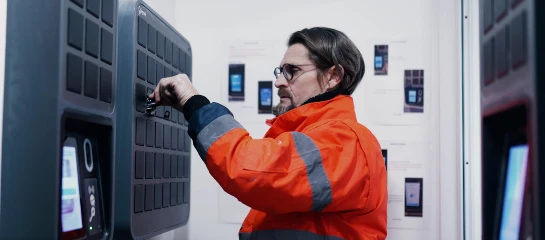
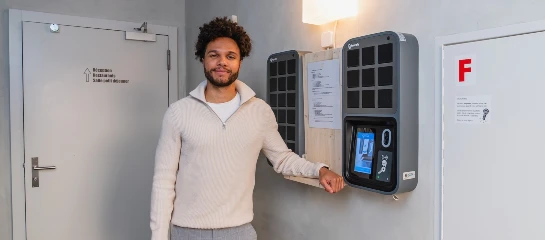
Įdiegta SmartBox tambūre, vestibiulyje, pašto kambaryje, siuntų kambaryje ar pirmo aukšto pagalbinėje patalpoje, pastato raktus talpina už vieno kontroliuojamo prieigos taško. Jo dydis yra maždaug paveikslo rėmo, 11,4 colio pločio ir 4 colių gylio, ir tvirtinama plokščiai prie bet kokio tipo sienos, o tai svarbu, kai laisvas plotas yra dviejų pėdų juosta šalia pašto dėžučių.
Talpa yra ta dalis, kuri ypač tinka Niujorkui. Bazinis blokas prasideda nuo 9 raktų skyrelių (key bins), o plėtimo moduliai jungiasi grandine, todėl vienas įrenginys 60-ties butų pastate gali talpinti raktą kiekvienam butui, plius pastato veiklos raktus, prieigą prie stogo, katilinės, sandėliavimo narvų ir skalbyklos. Vienas kontroliuojamas taškas, vienas įrašas (log), viena informacijos suvestinė (dashboard).
Operatoriams, valdantiems butus keliuose kaimynystės pastatuose, skaičiavimas vėlgi skiriasi. Jei jūsų šeši butai Bed-Stuy rajone yra kelių kvartalų atstumu vienas nuo kito ir nė vienas pastatas nepatvirtins įrenginio, viena dėžutė jūsų kontroliuojamoje vietoje aptarnauja juos visus, ir visi eina pėsčiomis. Pėsčiomis pasiekiamas atstumas Niujorke yra tikras spindulys taip, kaip jokioje kitoje šios serijos vietoje.
Kaip priversti kooperatyvo ar daugiabučio valdybą pasakyti „taip“
Viskam, kas įrengiama bendroje erdvėje, reikia valdybos patvirtinimo, o šio miesto valdybos nėra žinomos dėl entuziazmo pokyčiams.
Veikiantis argumentas yra atsakomybės, o ne patogumo argumentas. Dauguma valdybų jau prisiima riziką, kurios neįvertino: registratūra, laikanti butų raktus be politikos, rangovai, kuriems duotas raktas ir pasitikima, kad jie jį grąžins, pultelių kopijos cirkuliuoja be įrašo, kas juos turi, ir nėra jokio būdo atsakyti į klausimą "kas buvo 6B bute keturioliktą dieną", išskyrus klausinėjant.
Pateikite valdybai:
- Konkrečią vietą, tvirtinimo būdą ir maitinimo bei tinklo planą
- Patvirtinimą, kad įrenginys yra autonomiškas ir nekeičia išėjimų, priešgaisrinės saugos sistemų ar pastato paslaugų
- Pasiūlymą dėl prieigos įrašų (access-log) matomumo pastato darbuotojams ir valdančiajam agentui
- Rašytinį įsipareigojimą dėl priežiūros ir pašalinimo
Valdyba, kuri gali pranešti akcininkams, kad neoficialų raktų stalčių pakeitė registruota, leidimais valdoma sistema, turės ką pranešti metiniame susirinkime. Tai paprastai yra ta mintis, kuri pasiteisina.
Prieigos modeliai operacijoms, trunkančioms 30 ir daugiau naktų
Vidutinės trukmės nuoma keičia raktų valdymo ritmą taip, kad sutrikdo sistemas, sukurtas kasnaktiniams įsiregistravimams.
Svečių kaita smarkiai sumažėja. 90 dienų įmonės apgyvendinimas reiškia vieną atvykimą ir vieną išvykimą per ketvirtį, o ne trisdešimt. Tačiau tiekėjų srautas kartu su tuo nesumažėja. Kas mėnesį atliekami valymai, techninės priežiūros skambučiai, patikrinimai, agentų rodymas buto prieš kitą nuomą ir paties pastato personalo darbas tęsiasi, ir jiems reikia pakartotinės, suplanuotos, diferencijuotos prieigos.
Keycafe priskiria leidimus asmeniui ir laiko intervalui, o ne pagal rezervaciją, o tai yra tinkama forma. Nuomininkas, apsistojęs 90 dienų, turi prieigą 90 dienų. Valytojas turi pasikartojančią mėnesinę prieigą. Santechnikas gauna ketvirtadienio popietės prieigos langą. Valdymo agentas turi nuolatinę prieigą prie pastato raktų. Kiekviena prieiga yra suteikiama atskirai, atskirai registruojama ir atskirai atšaukiama.
Operatoriams, valdantiems mišrų portfelį, kai kurie butai nuomojami 30 ir daugiau naktų, o kiti ilgalaikiam nuomai, infrastruktūra tarp jų nesikeičia.
Kokia įrašo vertė Niujorke
Raktų įrašai (key logs) nepatvirtina registracijos atitikties ir neturėtų būti taip pateikiami. Šiame mieste jie sprendžia ginčus.
Niujorke kyla neįprastai daug prieigos ginčų: užstato ir nuosavybės būklės pretenzijos, draudimo pretenzijos po vandens išsiliejimo iš viršutinio buto, kaltinimai dėl neteisėtos okupacijos, rangovų padarytos žalos priskyrimas, priekabiavimo ir neteisėto įėjimo skundai pagal būsto priežiūros kodeksą, ir valdybos tyrimai, kas ką įleido. Kiekvienas iš jų remiasi faktiniu klausimu apie fizinę prieigą.
Įrašas (log) su laiko žyma, pavadinimu ir galimybe eksportuoti atsako į šį klausimą maždaug per trisdešimt sekundžių. Alternatyva yra valdančiojo agento savaitės atstatymas iš tekstinių žinučių ir durininko atminties.
Mažiau durų tarp rakto ir žmogaus
Niujorkas apdovanoja operatorius, kurie pašalina žmogiškąjį kliūtį prie pagrindinių durų. Ne todėl, kad darbuotojai yra problema, bet todėl, kad pastato prieiga neturėtų priklausyti nuo to, ar konkretus asmuo dirba pamainoje, yra pasiekiamas ir pasirengęs prisiimti atsakomybę už raktą.
Įdėkite raktus už kontroliuojamo taško pastato viduje, išduokite leidimus vietoj metalo, ir 23:40 val. telefono skambučiai nustos.
Konfigūruokite SmartBox diegimą arba užsisakykite susitikimą su mūsų komanda, kad aptartumėte įrengimą jūsų pastate.
Šiame straipsnyje pateikta reguliavimo informacija atspindi viešai prieinamą informaciją rašymo metu ir yra skirta tik bendrosioms gairėms. Niujorko miesto ir Niujorko valstijos nuomos taisyklės dažnai keičiasi. Prieš priimdami veiklos sprendimus, patvirtinkite dabartinius reikalavimus su Merijos specialiųjų vykdymo tarnybos biuru ir kvalifikuotu teisininku.