
Keycafe pradėjo čia. 2012 m. vienas iš įkūrėjų ir generalinis direktorius Claytonas Brownas bandė išspręsti problemą, kurią atpažįsta kiekvienas Vankuverio namų savininkas: nebuvo patikimo būdo perduoti raktą kam nors, kai nebuvai namie. Pirmieji SmartBoxes atsirado kavinėse ir parduotuvėse visame mieste, o Vankuveris tapo įmonės būstine ir pirmąja rinka.
Po keturiolikos metų miestas perrašė taisykles, kas ką gali nuomoti, o raktų valdymo praktinė forma Vankuveryje pasikeitė kartu su tuo.
Jei 2026 m. čia valdote nuomos objektus, jūsų verslą apibrėžianti kliūtis nėra svečių atvykimo laikas. Tai yra patvirtinimas. Provincijos patvirtinimas, savivaldybės patvirtinimas ir, didžiajai daliai šio miesto būsto fondo, patvirtinimas iš strata tarybos, kuri gali anuliuoti abu.
Ką iš tikrųjų padarė pagrindinės gyvenamosios vietos taisyklė
Britų Kolumbijos trumpalaikės nuomos apgyvendinimo aktas įsigaliojo 2024 m. gegužės mėn. ir apribojo trumpalaikę nuomą bendruomenėse, turinčiose daugiau nei 10 000 gyventojų, operatoriaus pagrindine gyvenamąja vieta. Vankuveris taiko šią taisyklę. Jums reikia provincijos registracijos numerio ir Vankuverio miesto trumpalaikės nuomos verslo licencijos, abu turi būti rodomi kiekviename skelbime, o platformos privalo patvirtinti registraciją prieš apdorojant užsakymus. Veikimas be licencijos gali užtraukti tūkstančių dolerių savivaldybės baudas per dieną, o provincijos baudos yra žymiai didesnės.
Poveikis profesionalių operatorių rinkai buvo tiesioginis ir struktūrinis. Investuotojams priklausantis butas, ištisus metus skelbiamas Airbnb, valdomas įmonės, turinčios dar 60 vienetų, Vankuveryje nebe yra teisėtas verslo modelis. Lieka kitoks operatorių rinkinys:
Pagrindinės gyvenamosios vietos šeimininkai, nuomojantys antrinį butą ar sodo namelį
Ilgalaikės nuomos valdytojai, kuriems reikalinga atskira miesto licencija 90 dienų ar ilgesnėms viešnagėms
Daugiabučių ir strata pastatų operatoriai, valdantys butus, bendrojo naudojimo patalpas ir rangovų prieigą
Turto valdytojai, valdantys įvairius portfelius visame regione, kur savivaldybės taisyklės skiriasi
Kiekvienas iš jų vis dar turi raktų problemą. Tai tiesiog nėra svečių kaitos problema, apie kurią pramonė kalbėjo dešimtmetį. Tai prieigos valdymo problema: kam leidžiama patekti į kokį butą, kieno įgaliojimu, ir ar galite tai įrodyti po to.
Strata taryba yra tikrasis vartininkas
Vankuveris yra strata miestas. Didelė dalis butų, kuriuos tvarko turto valdytojas, yra strata korporacijoje, o pagal BC įstatymus ši korporacija turi galias, kurios veikia nepriklausomai nuo jūsų provincijos registracijos ir miesto licencijos.
Strata gali priimti įstatus, ribojančius arba visiškai draudžiančius trumpalaikę nuomą, ir gali taikyti baudas iki 1 000 USD už kiekvieną pažeidimą per dieną. Ši teisė yra atskirta nuo provincijos sistemos. Butas gali atitikti jūsų pagrindinės gyvenamosios vietos reikalavimus, turėti galiojantį registracijos numerį, miesto licenciją, ir vis tiek būti uždraustas trumpalaikiam naudojimui pagal prieš trejus metus visuotiniame susirinkime priimtą įstatą, už kurį balsavo trys ketvirtadaliai.
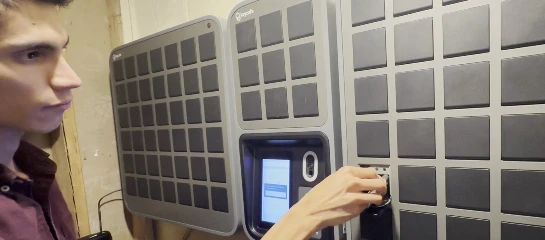
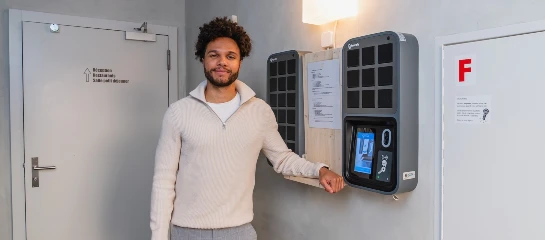
Tai svarbu raktų valdymui tokiu būdu, kuris suklaidina žmones. SmartBox, sumontuotas vestibiulyje, automobilių stovėjimo aikštelėje, pašto kambaryje ar bendrojo naudojimo patalpoje, yra bendros nuosavybės pakeitimas. Tai yra strata tarybos teritorija, o ne jūsų, net jei jums priklauso butas, kuriam ji tarnauja.
Geros naujienos yra tai, kad pokalbis paprastai klostosi gerai, nes raktų spintelė išsprendžia problemas, kurias taryba jau turi.
Kaip gauti SmartBox patvirtinimą iš strata tarybos
Dauguma tarybų metų metus kovojo su neplanuoto raktų tvarkymo pasekmėmis: raktų dėžutės, pritvirtintos prie dviračių stovų ir turėklų, atsarginiai raktai palikti konsjeržui, kuris niekada neprisiėmė tokios atsakomybės, cirkuliuojančios raktų kopijos be jokių įrašų ir gyventojai įleidžiantys žmones, kurių niekada nebuvo sutikę. Teisingai įvertinus, kontroliuojama raktų spintelė yra saugumo patobulinimas, kurį taryba gali paminėti.
Praktinis požiūris:
Pradėkite nuo tarybos problemos, o ne nuo savo. Raktų dėžučių pašalinimas iš bendrosios nuosavybės, konsjeržo raktų atsakomybės pabaiga ir kiekvienos prieigos įrašų žurnalas – tai viskas, ką taryba gali apginti savininkams visuotiniame susirinkime.
Tiksliai nurodykite įrengimą. Vieta, montavimo būdas, matmenys, maitinimo šaltinis ir tinklo jungtis. Vienetas, maždaug paveikslų rėmo dydžio, 11,4 colių pločio ir 4 colių gylio, prigludęs prie sienos, tarybai atrodo labai skirtingai nei nenurodytas prašymas "įrengti spintelę".
Oficialiai spręskite bendrosios nuosavybės klausimus. Tikėkitės pasirašyti pakeitimo sutartį, apimančią atsakomybę už įrengimą, priežiūrą, draudimą ir atkūrimą, jei ji kada nors bus pašalinta. Tai yra standartinė praktika viskam, kas pritvirtinta prie bendrosios nuosavybės, ir tarybos prie to pripratusios.
Pasiūlykite tarybai matomumą. Prieigos žurnalai ir leidimų kontrolė gali būti suteikta pastato personalui. Tarybai, kuri gali matyti, kas ir kada pateko į automobilių stovėjimo aikštelės sandėliuką, yra duodamas įrankis, o ne prašoma paslaugos.
Patvirtinkite, ar apskritai reikia įstatų pakeitimo. Daugelis įrenginių patenka į esamą tarybos kompetenciją dėl bendrosios nuosavybės pakeitimų. Kai kurie ne. Gaukite atsakymą į tai anksti, o ne darykite prielaidas.
Patvirtinkite detales su savo strata ir, jei sumos tai pateisina, su teisininku. Įstatai skiriasi priklausomai nuo pastato, ir tai nėra teisinė konsultacija.
Vaizdas pagal mikrorajonus
Vankuveris yra kompaktiškas pagal Šiaurės Amerikos standartus, tačiau pastatų fondas keičia savo charakterį kas kelis kvartalus, ir tai lemia, kur fiziškai gali būti įrengta raktų spintelė.
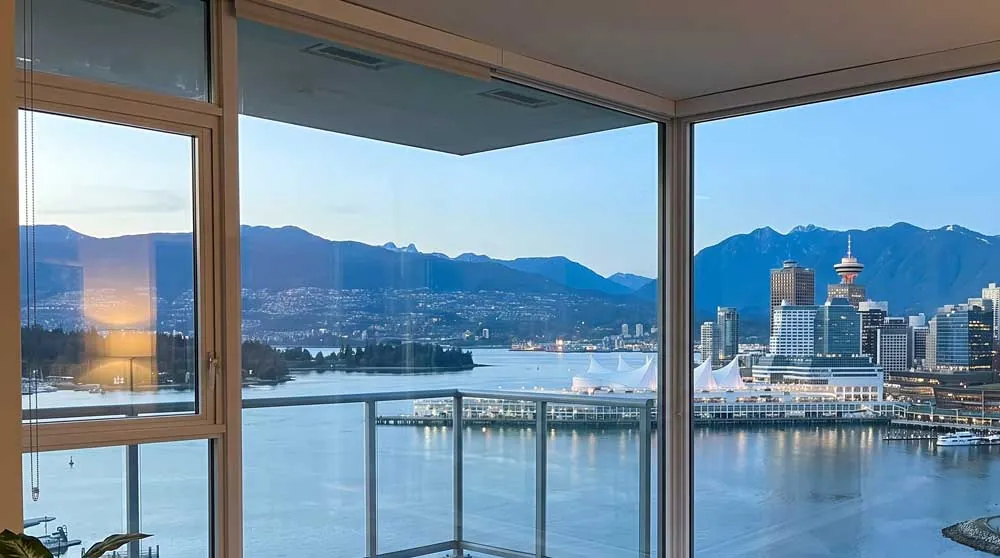
Coal Harbour ir Yaletown. Betoninių bokštų, požeminių automobilių stovėjimo aikštelių, konsjeržų ir saugių vestibiulių rajonai. Tai yra lengviausi įrengimai mieste, nes jau yra kontroliuojama patalpa su elektra ir tinklu, ir dažnai pastato valdytojas, kuris nori atsikratyti raktų verslo. Viena dėžutė bokšto vestibiulyje gali aptarnauti dešimtis butų tame pačiame pastate.
West End ir Davie Village. Kai kurie seniausi Vankuverio nuomos pastatai, žemų aukštų daugiabučių ir senesnių bokštų derinys, didžioji dalis be registratūros. Čia įrengimas paprastai vyksta saugioje įėjimo vestibiulio ar pirmo aukšto techninėje patalpoje. Pastato personalo nebuvimas yra būtent tai, kodėl automatizuota spintelė užsitarnauja savo vietą: 23 val. nėra kam perduoti raktų.
Mount Pleasant ir Olympic Village. Istoriniai konversijos pastatai šalia naujesnių vidutinio aukščio pastatų. Dvi skirtingos įrengimo diskusijos toje pačioje gatvėje. Istoriniams pastatams dažnai taikomi apribojimai dėl to, kas gali būti pritvirtinta prie išorinių sienų, todėl tam naudojamos vidinės bendrojo naudojimo patalpos.
Kitsilano ir vakarų pusė. Žemo aukščio, išsklaidyti, daug namų su antriniais butais ir sodo nameliais. Mažiau klausimų dėl bendrosios nuosavybės, nes didžioji dalis yra valdoma savininkų, tačiau nuosavybės objektai yra toliau vienas nuo kito, todėl operatoriai čia linkę turėti vieną dėžutę namuose ar biure, o ne kiekviename pastate.
Miesto centras ir Gastown. Didelis pėsčiųjų srautas ir mišri komercinė-gyvenamoji paskirtis. Geri kandidatai įrengimui nuomojamoje pirmo aukšto patalpoje, kuri visiškai apeina bendrojo naudojimo nuosavybės klausimus.
Už miesto ribų. Burnaby, Richmond, North Shore ir Tri-Cities miestai priėmė savo požiūrius į trumpalaikės nuomos reguliavimą, ir keletas iš jų glaudžiai atspindi Vankuverio. Regioninis portfelis apima kelis licencijavimo režimus vienu metu, o tai yra argumentas už vieną prieigos sistemą, o ne skirtingą susitarimą kiekvienoje savivaldybėje.
Ką iš tikrųjų daro sistema
Keycafe pakeičia bendrinamus kodus ir fizinį raktų perdavimą individualiais, laiko apribotais leidimais, valdomais iš vienos valdymo pulto.
Pastato operatoriui tai reiškia, kad valytojas, paskirtas 4–8 aukštams, gauna prieigą prie tų butų raktų tik numatytomis dienomis ir nieko daugiau. Liftų rangovas gauna vieną laikotarpį. Nekilnojamojo turto agentas, rodantis butą, gauna dvi valandas šeštadienį. Gyventojo šunų vedžiotojas gauna pasikartojantį darbo dienos laiko tarpą, kurį kontroliuoja gyventojas, o ne registratūra.
Nuomos valdytojui tai reiškia, kad ta pati infrastruktūra apima pagrindinės gyvenamosios vietos butą, ilgalaikės nuomos keitimą ir rangovo apsilankymą, be trijų skirtingų susitarimų.
Nieko nevyksta nepaliekant pėdsakų: kiekvienas paėmimas ir grąžinimas įrašo, kas tai padarė ir kada. Raktai lieka apsaugotame nuo pažeidimų skyriuje tarp perdavimų, o ne stalčiuje už stalo ar raktų dėžutėje ant turėklų. Leidimai suteikiami, keičiami ir atšaukiami realiuoju laiku, todėl atšauktas užsakymas arba atleistas rangovas nebereikalauja raktų keitimo pokalbio.
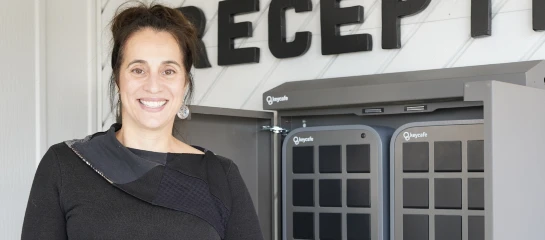
Aparatinė įranga derinama prie pastato, o ne atvirkščiai. Bazinis įrenginys pradedamas nuo 9 raktų dėžučių, o plėtros moduliai jungiami prie jo, didėjant portfeliui ar pastatui, o tai reiškia, kad bokšto vestibiulio įrengimas gali pereiti nuo kelių raktų iki kelių šimtų be antro įrengimo.
Dokumentacijos aspektas
BC reguliavimo sistema labai priklauso nuo registracijos ir platformos patvirtinimo, o ne nuo fizinės patikros, todėl raktų žurnalas nėra licencijos atitikties įrodymas ir neturėtų būti taip pristatomas. Jo vertė yra įrodomoji.
Šis įrašas yra labai naudingas sprendžiant ginčus, kurie faktiškai kyla Vankuverio pastatuose: bendruomenė, tirianti neteisėtą užimtumą, draudikas, klausiantis, kas turėjo prieigą prieš prašymą dėl vandens nuotėkio, nuomos ginčas dėl nuosavybės būklės išsikraustant, savininkas, klausiantis, kodėl rangovas antradienį buvo bute. Visais šiais atvejais "mes turime laiko žymę" nutraukia pokalbį greičiau nei bet koks prisiminimų kiekis.
Orai, ryšys ir praktiniai dalykai
Vankuverio klimatas yra švelnus, nuolat drėgnas, randa kiekvieną angą lauko aptvare. SmartBoxes turi IP52 atsparumo oro sąlygoms reitingą, kuris tinka uždengtoms lauko ir pusiau lauko vietoms, tokioms kaip dengtas įėjimas, automobilių stovėjimo aikštelė ar nišinis vestibiulis. Visiškai atviroms išorinėms sienoms, atsuktas į pakrantę, numatykite pastogę.
Ryšio parinktys apima Wi-Fi, Ethernet ir pasirinktinį mobilųjį ryšį, o tai svarbu betoniniuose bokštuose ir požeminėse automobilių stovėjimo aikštelėse, kur Wi-Fi ryšys linkęs dingti. Akumuliatoriaus atsarginis maitinimas palaiko įrenginio veikimą nutrūkus elektros tiekimui.
Miestas, kuriame užaugo Keycafe
Vankuverio nuomos rinka atrodo labai skirtingai nei tuomet, kai pirmasis SmartBox atsirado parduotuvėje Water gatvėje. Dalijimosi ekonomikos atsitiktinė pusė buvo įteisinta į siaurą sritį, o išlikę operatoriai yra profesionalai, valdantys pastatus, nuomą ir personalą, o ne skelbimus.
Tai geriau atitinka tai, kuo sistema tapo. Raktų kontrolė nustojo būti patogumu šeimininkams ir virto infrastruktūra visiems, atsakingiems už tai, kas patenka į pastatą.
Konfigūruokite SmartBox diegimą arba pasikalbėkite su mūsų komanda apie tai, kaip atrodo įrengimas jūsų pastate.
Šiame straipsnyje pateikta reguliavimo informacija atspindi viešai prieinamą informaciją rašymo metu ir yra skirta tik bendrosioms gairėms. Britų Kolumbijos provincijos, savivaldybės ir strata taisyklės dažnai keičiasi ir skiriasi priklausomai nuo pastato, todėl prieš priimdami operacinius sprendimus patvirtinkite dabartinius reikalavimus su Vankuverio miestu, Britų Kolumbijos provincija ir savo strata korporacija.