0 minutes
Written by
Luciano Picardo
Published on
December 31, 2025
Published on
December 31, 2025
Modified on
February 11, 2026
Go Back
Hotel operations in North America have entered a new operating reality. According to AHLA’s 2025 State of the Industry Report and CBRE Hotels Research’s annual trends analysis, hotels are under sustained pressure from labor shortages, elevated operating costs, and higher expectations for consistency and accountability.
In this environment, informal and manual processes tend to fail first. When teams are lean, turnover is high, and managers are stretched thin, systems that rely on memory, paper logs, or verbal handovers struggle to hold up.
One of the most common—and often overlooked—examples is physical access control. Even as guest-facing technology becomes more digital, hotels continue to manage dozens or hundreds of physical keys across housekeeping, engineering, security, food and beverage, and administrative teams. Physical keys remain deeply embedded in back-of-house operations despite broader digitalization, as outlined in this guide to hotel key management.
This article explores why manual access control breaks down in lean hotel operations—and why more hotels are being forced to rethink how access is managed.
Lean staffing environments magnify operational weaknesses. With fewer employees covering more responsibilities, hotels rely heavily on processes that can function consistently across shifts and departments.
Industry data shows why this matters. U.S. labor data from the BLS (JOLTS) indicates that quit rates in leisure and hospitality remained consistently higher than most other industries throughout 2024 and 2025, signaling ongoing churn and instability. At the same time, AHLA reporting highlights that many hotels continue operating below pre-pandemic staffing levels.
In this context, process reliability becomes critical. Systems that depend on perfect execution—every log filled out, every handover completed, every exception remembered—are inherently fragile. When a process breaks, the impact is felt immediately: delays, confusion, and managers pulled into avoidable troubleshooting.
In many hotels, manual access control still takes familiar forms:
These methods are often adopted because they are simple inexpensive, and how things have always been done. However, their simplicity masks structural weaknesses. Manual systems provide limited visibility, no real-time oversight, and inconsistent records—especially during busy periods or understaffed shifts.
Manual methods make it difficult to determine who last had a key or whether access rules were followed consistently, a limitation explored in this comparison of traditional versus smart key management.
The issue is not staff intent. It is that manual systems are not designed to scale under pressure.
Labor pressure accelerates the failure of manual access control. High turnover means new staff are constantly being trained on informal procedures that may already be inconsistently applied. Overlapping roles increase the number of people accessing shared resources. Managers, short on time, cannot realistically audit paper logs or enforce compliance every shift.
CBRE’s hotel industry analysis shows that labor remains the largest operating expense for most properties, leaving little margin for inefficiency. When access control breaks down, the cost is not just theoretical. Time is lost searching for keys, clarifying responsibility, or redoing work that was delayed.
Analysis of manual key logs shows how easily records become incomplete or inaccurate when staff are busy or understaffed. In lean operations, these small breakdowns compound quickly.
The operational cost of manual access control rarely appears on a financial statement, but it is felt daily. Poor access management can lead to:
CBRE data consistently shows that labor costs already consume a significant share of hotel operating budgets. In that context, even small inefficiencies—lost minutes per shift, repeated clarifications, avoidable delays—can erode productivity.
Real-time visibility into access can help reduce daily interruptions and allow teams to stay focused on guest-facing work, as discussed in the context of 24/7 hotel operations.
Faced with sustained pressure, many hotels are shifting away from informal access processes toward system-based approaches. The goal is not tighter control for its own sake, but consistency.
System-based access control reduces dependence on memory and individual discipline. Access rules are embedded in the process, records are created automatically, and accountability becomes clearer without adding management overhead.
This approach allows hotels to standardize access across departments while maintaining flexibility for real-world operations, as outlined in an overview of electronic key management systems. In practice, hotels using system-based key management have reported clearer accountability and smoother daily workflows, as shown in Keycafe’s hotel customer success stories.
For lean teams, this shift represents a move toward operational resilience.
Manual access control was never designed for today’s hotel operating environment. In lean operations marked by high turnover and tight margins, informal systems fail under pressure.
What was once treated as a minor administrative task has become a source of daily friction. Access control is not only about security—it is about workflow reliability, time management, and accountability.
As hotels continue navigating labor constraints and cost pressure, rethinking how physical access is managed is one of the most practical ways to reduce operational drag. In lean operations, the question is no longer whether manual access control can work—but whether its hidden costs are sustainable.
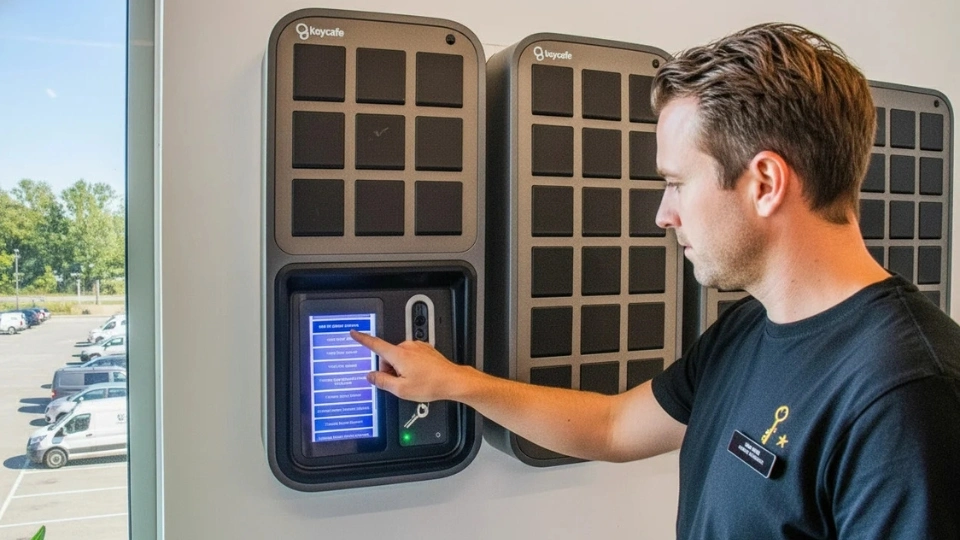
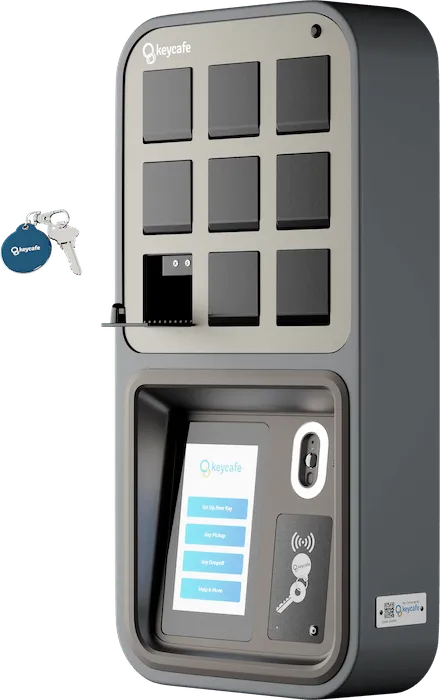
Modern electronic key management systems, such as Keycafe’s solutions for hotels, are designed to bring structure, visibility, and accountability to physical access—helping teams operate more efficiently while reducing risk.
.webp)

.webp)